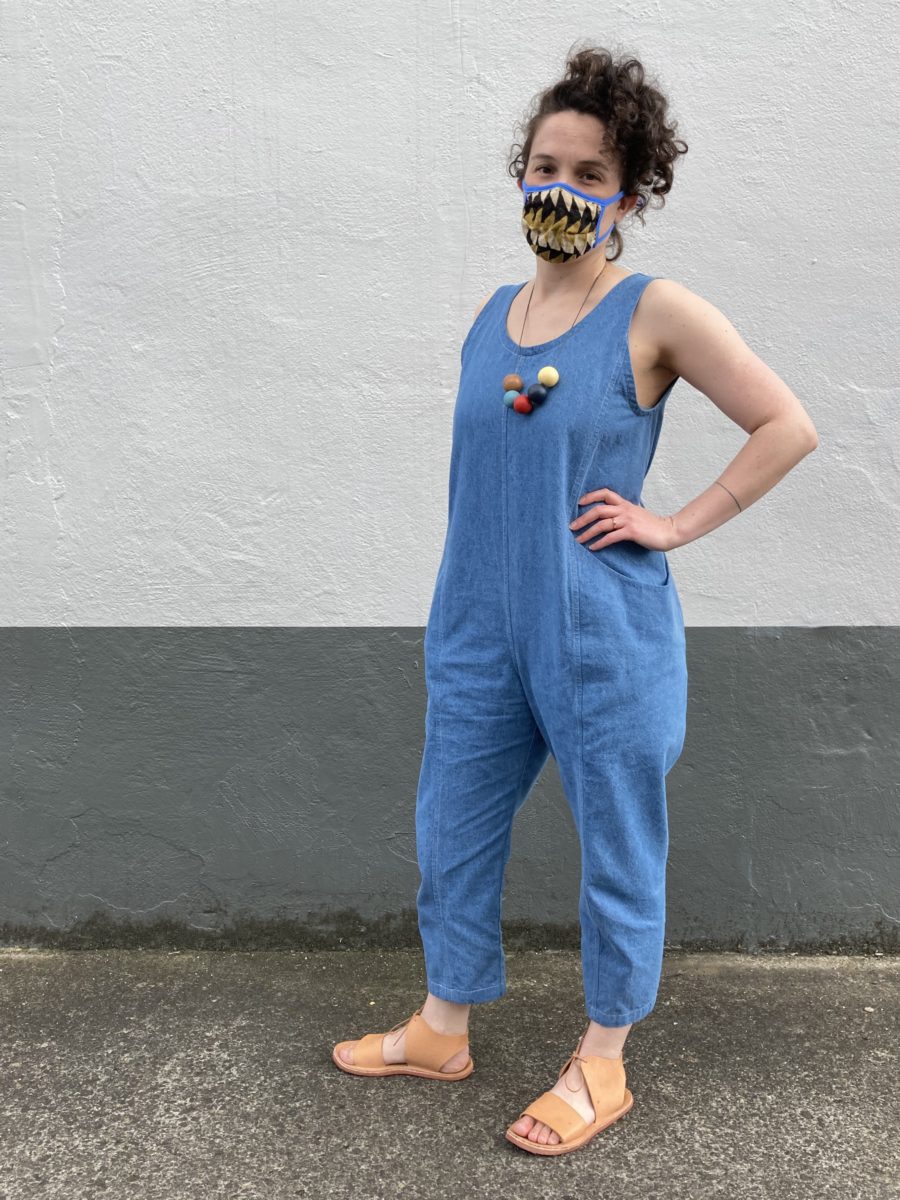
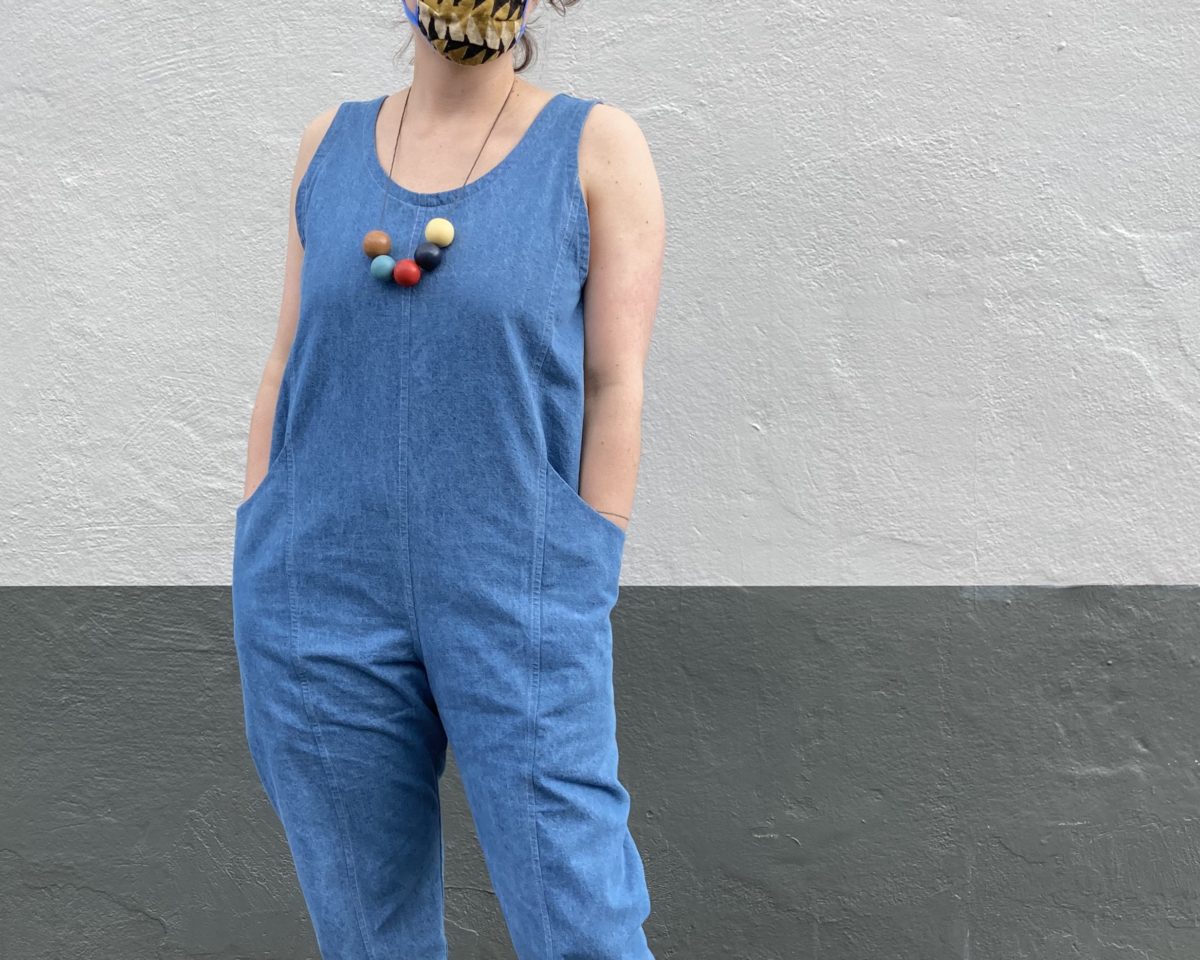
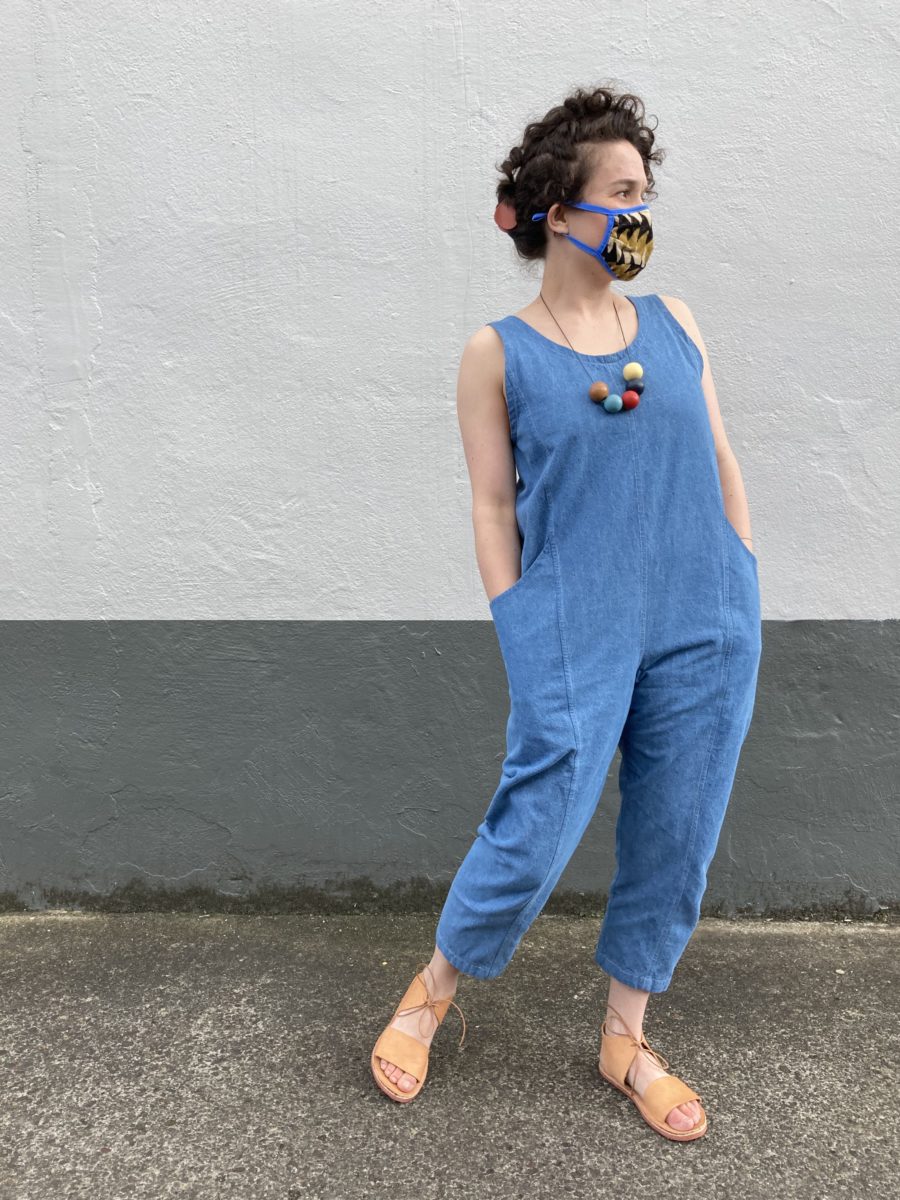
There’s a new indie pattern designer to check out — Daughter Judy. Chelsea launched recently with four patterns and I immediately bought three of them!
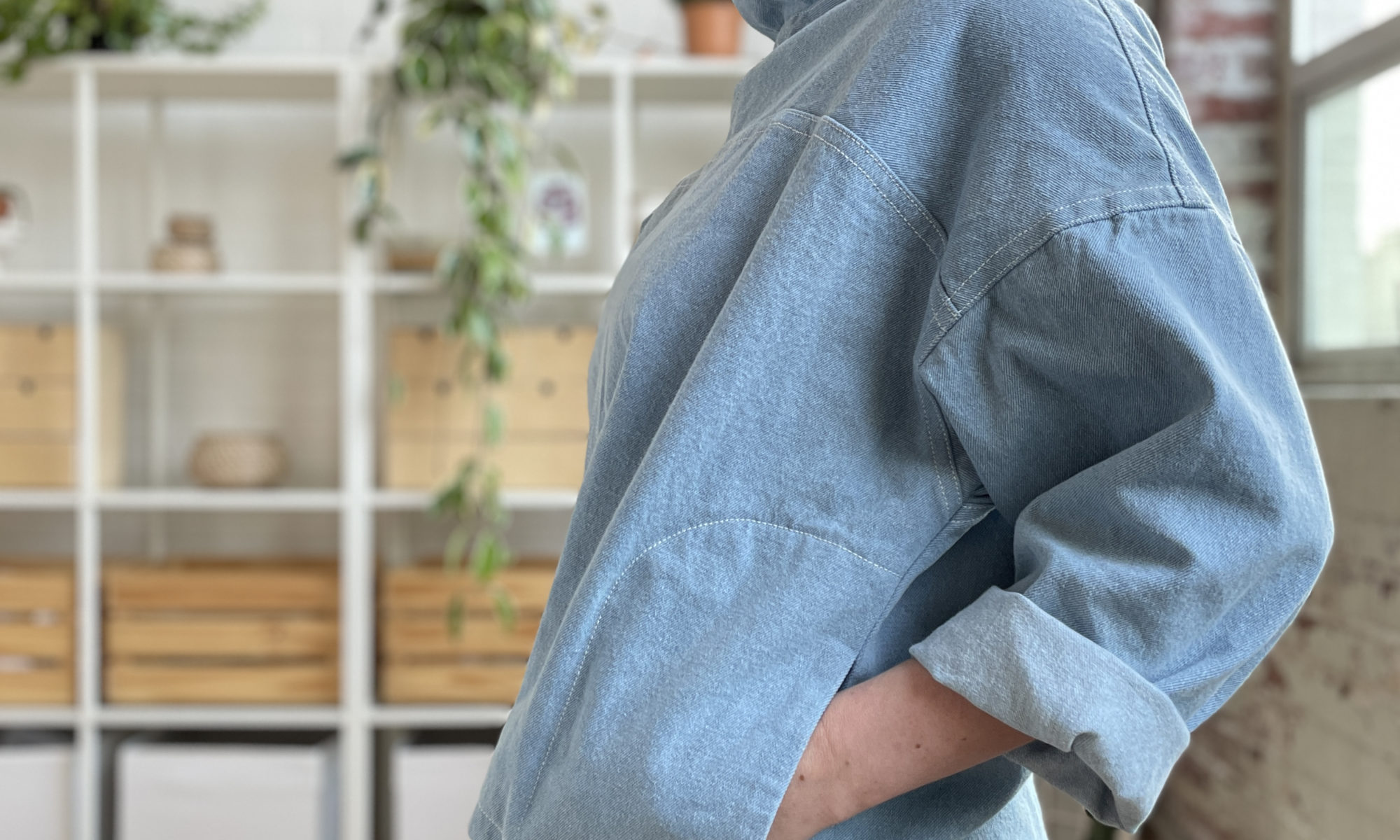
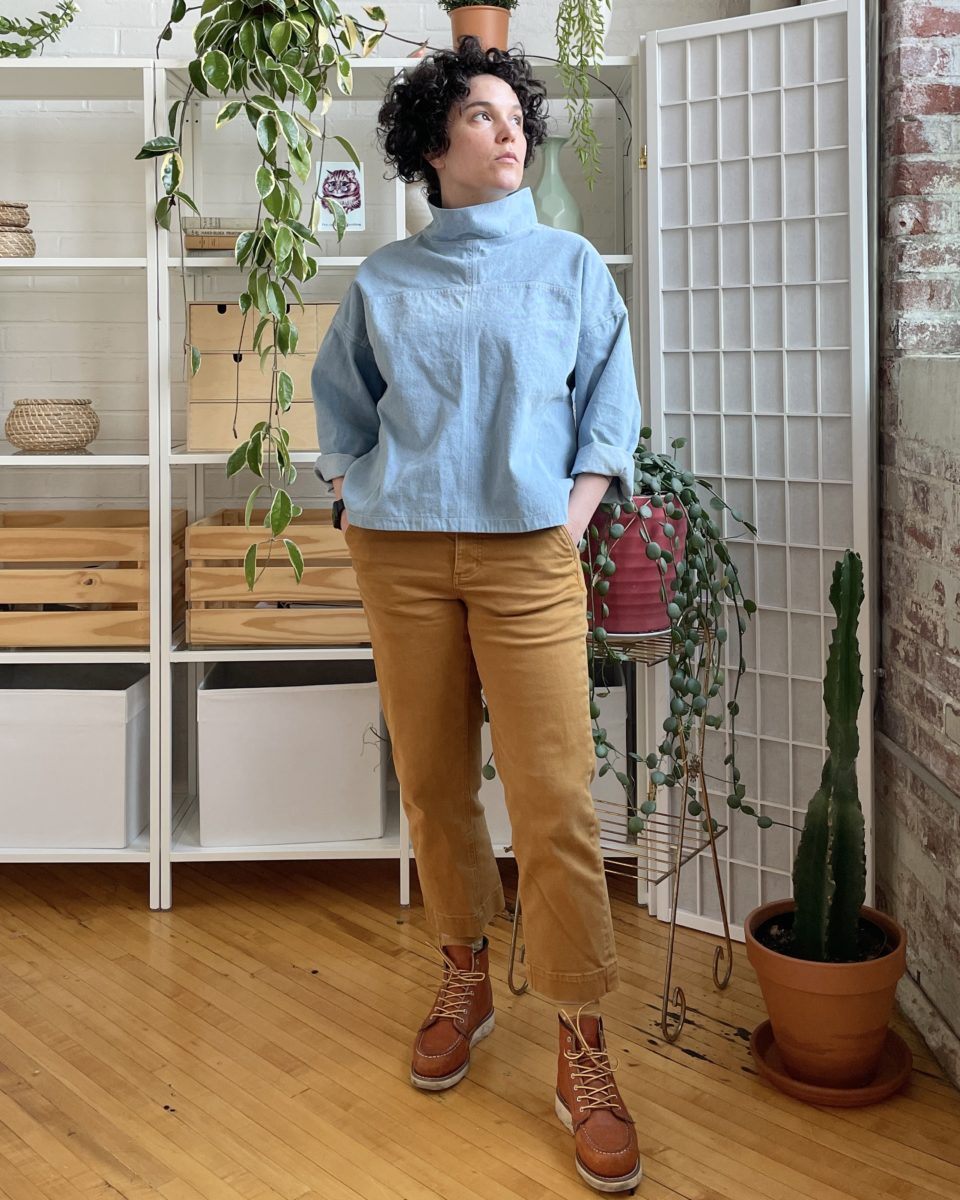
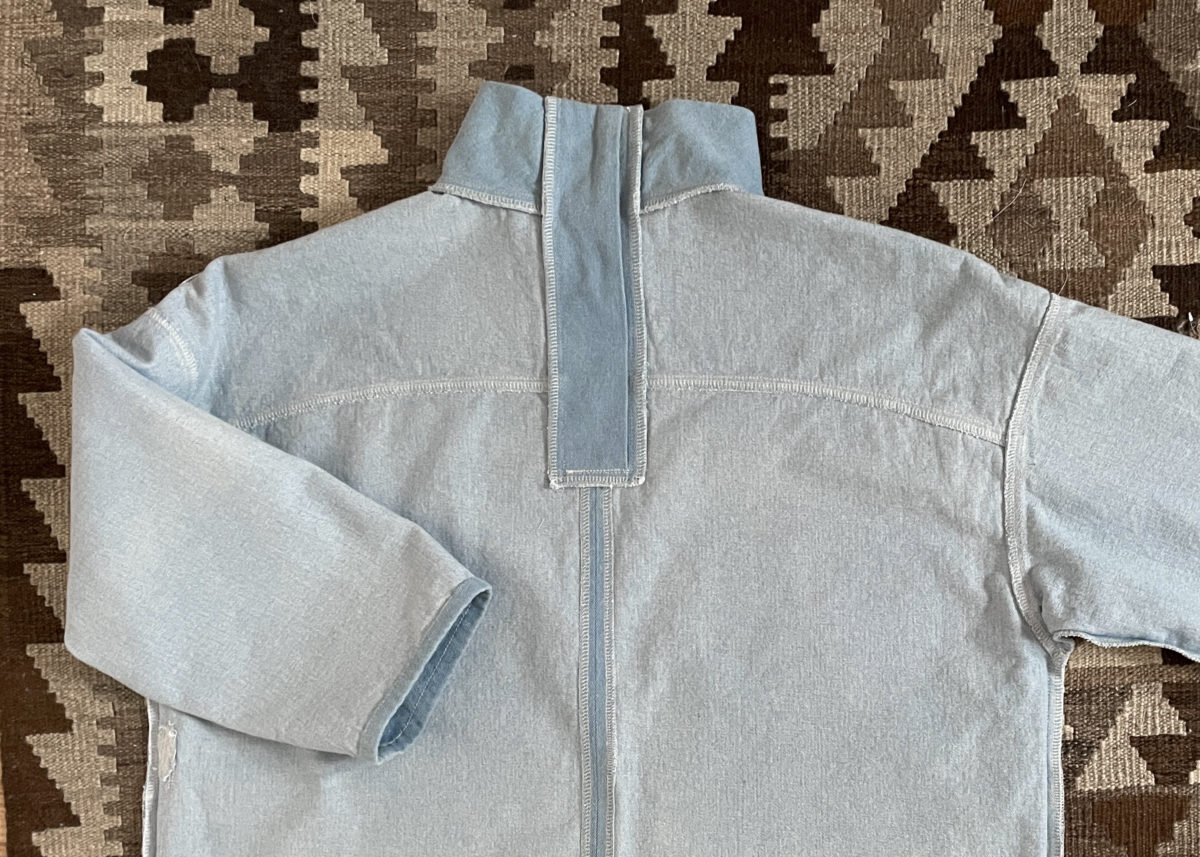
I’m not in the brain space for pants fitting right now – even though I really need pants – so I decided to make the Barons Dress before diving into the Adams Pants. I really love the red photo sample and wanted to create something similar. I chose a 10oz bleached denim from my stash that even had some of the sun bleaching the red canvas sample has.
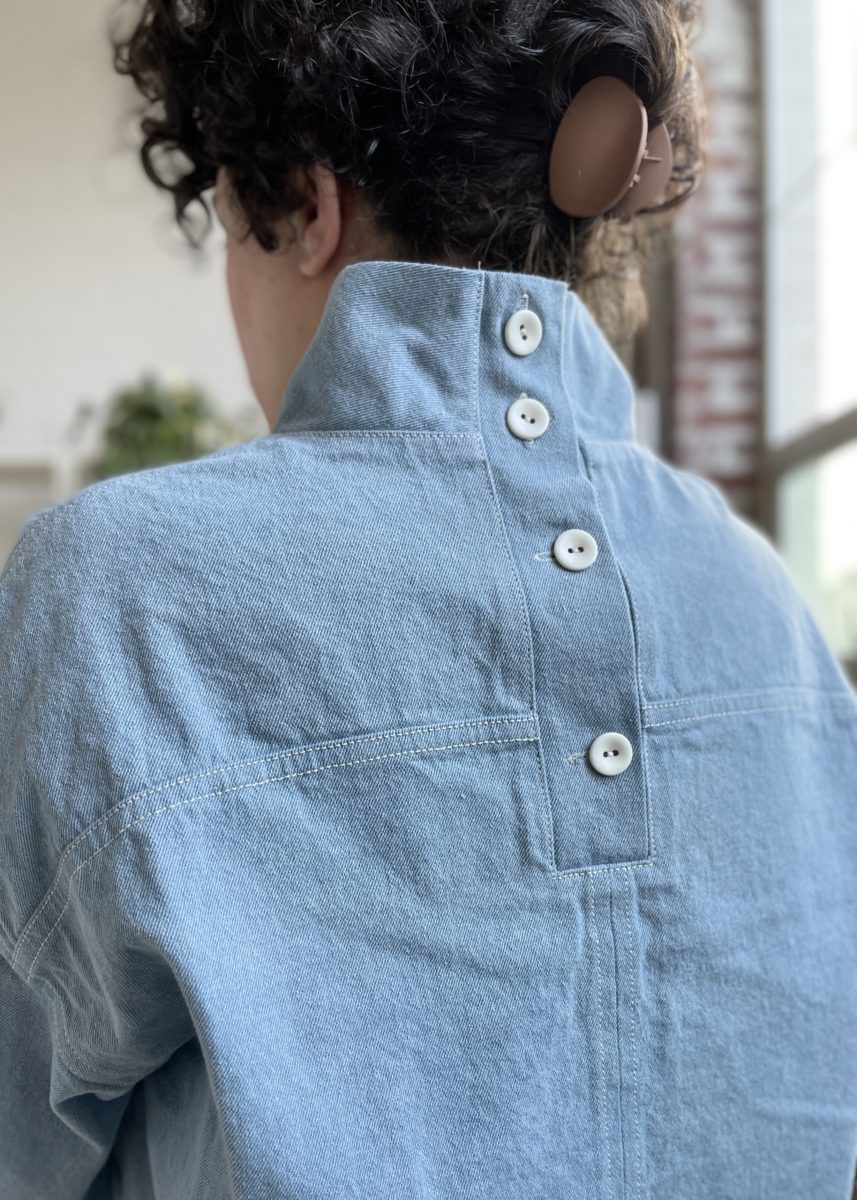
This top has lots of fun topstitching, a high collar, center back button closure, and 3/4 length sleeves that are more like full length sleeves on me.
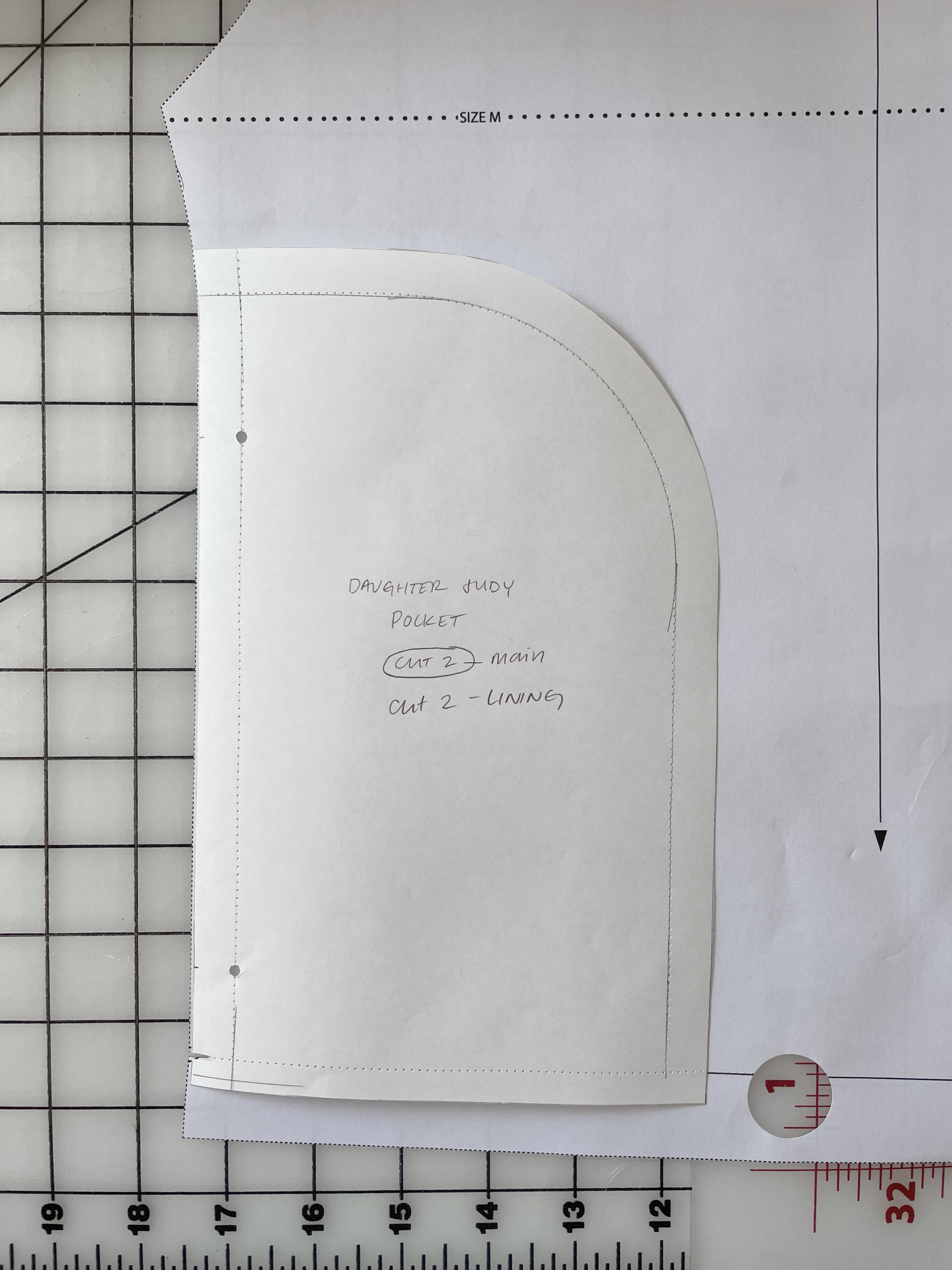
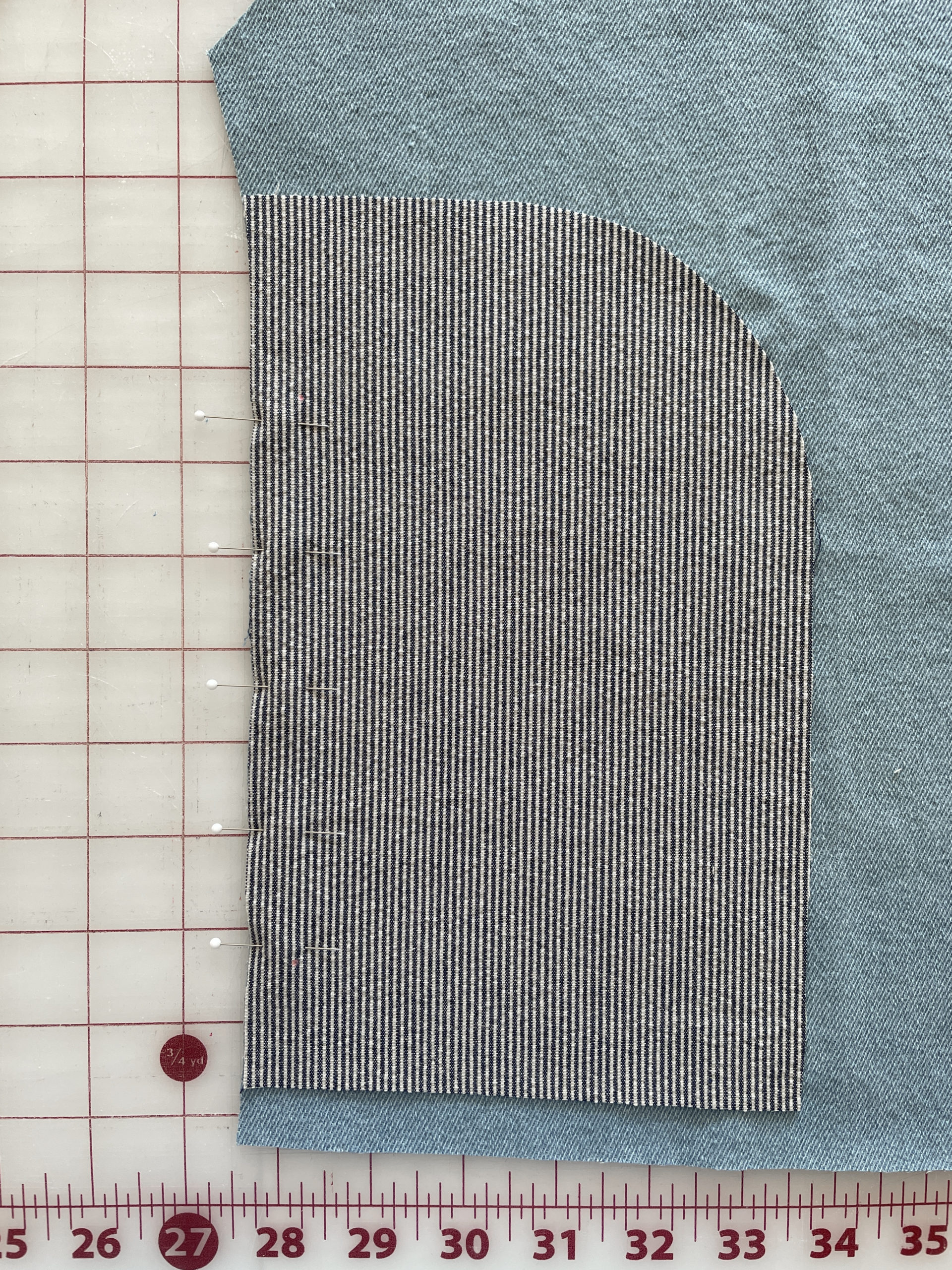
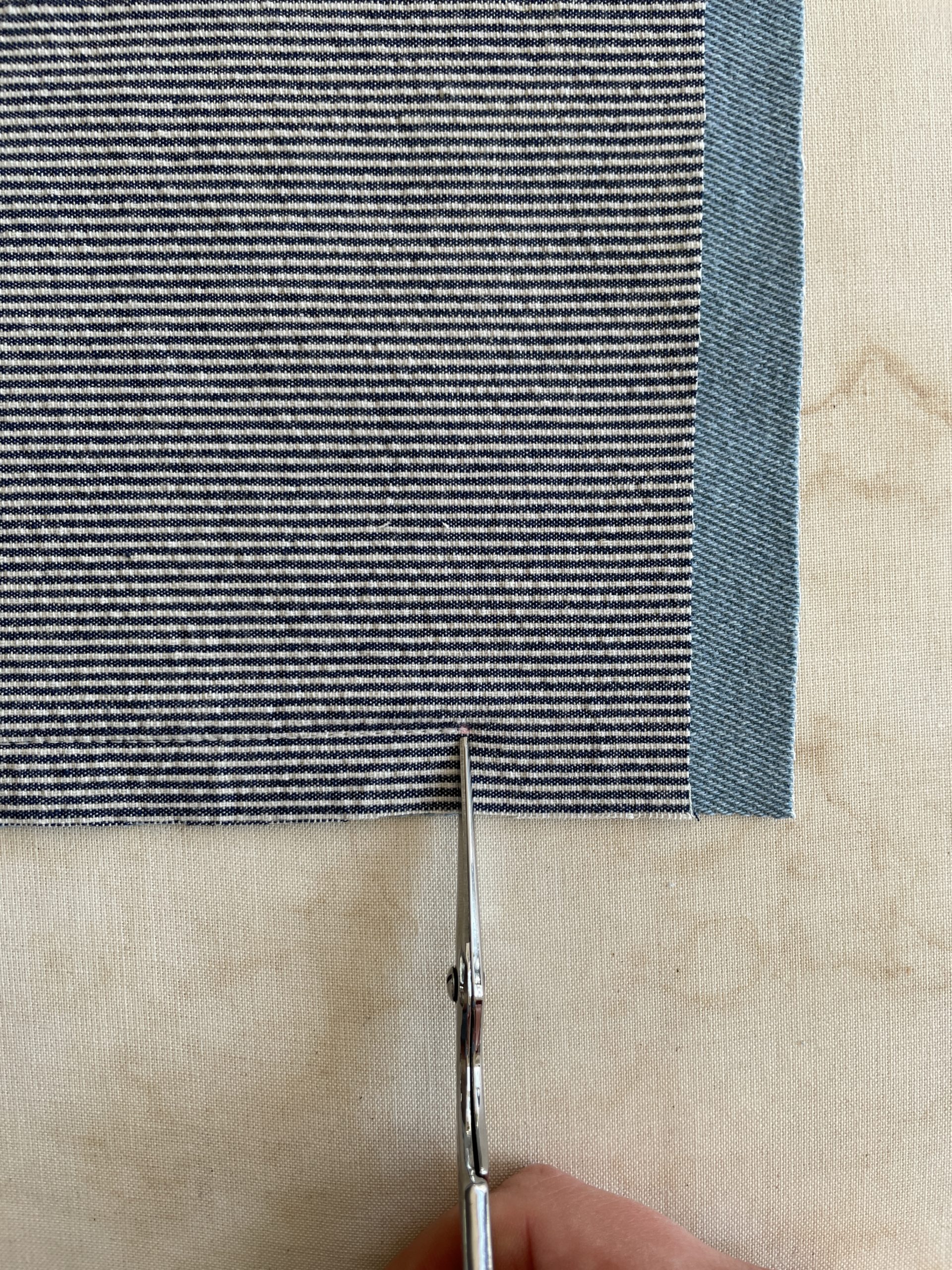
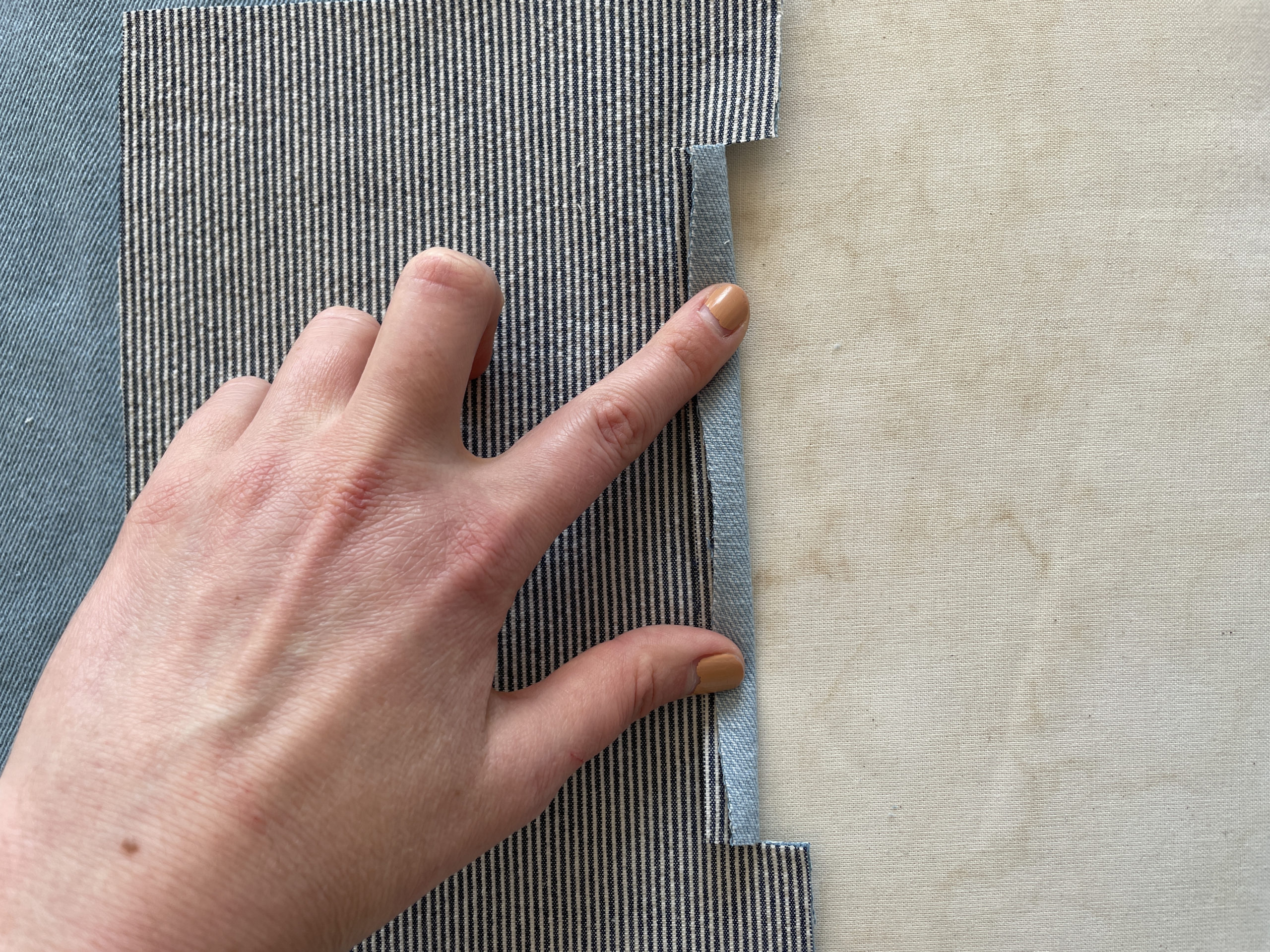
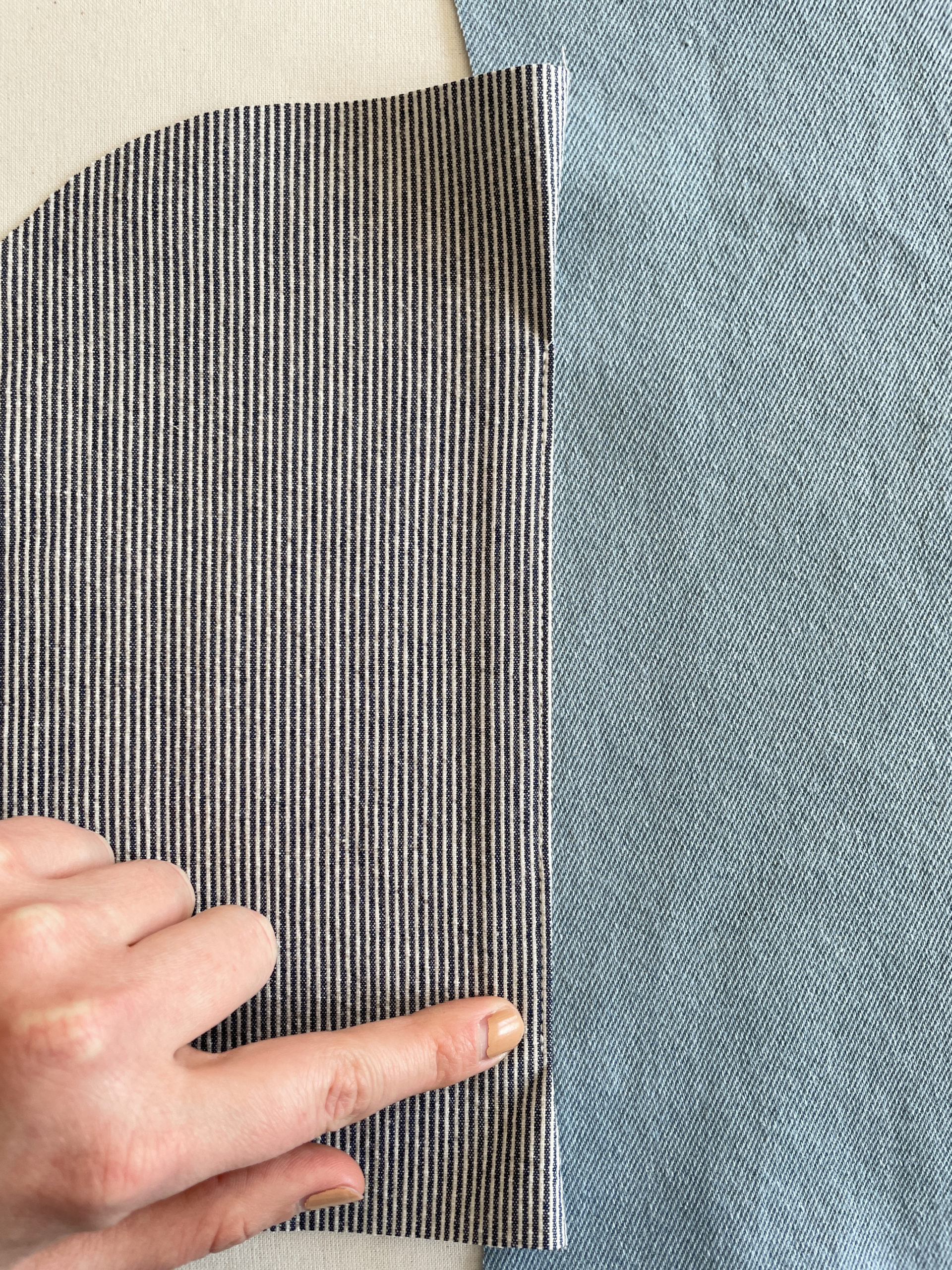
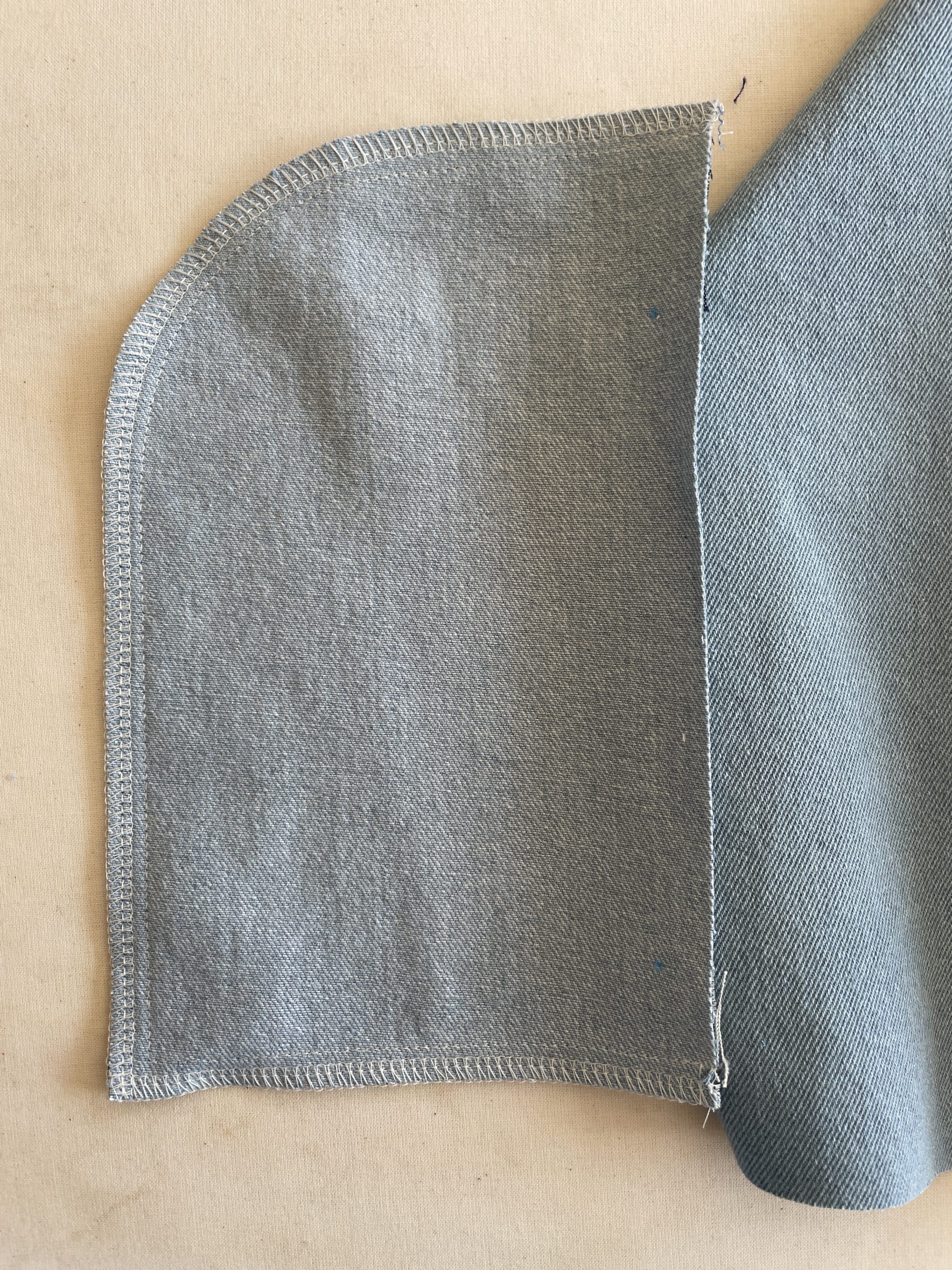
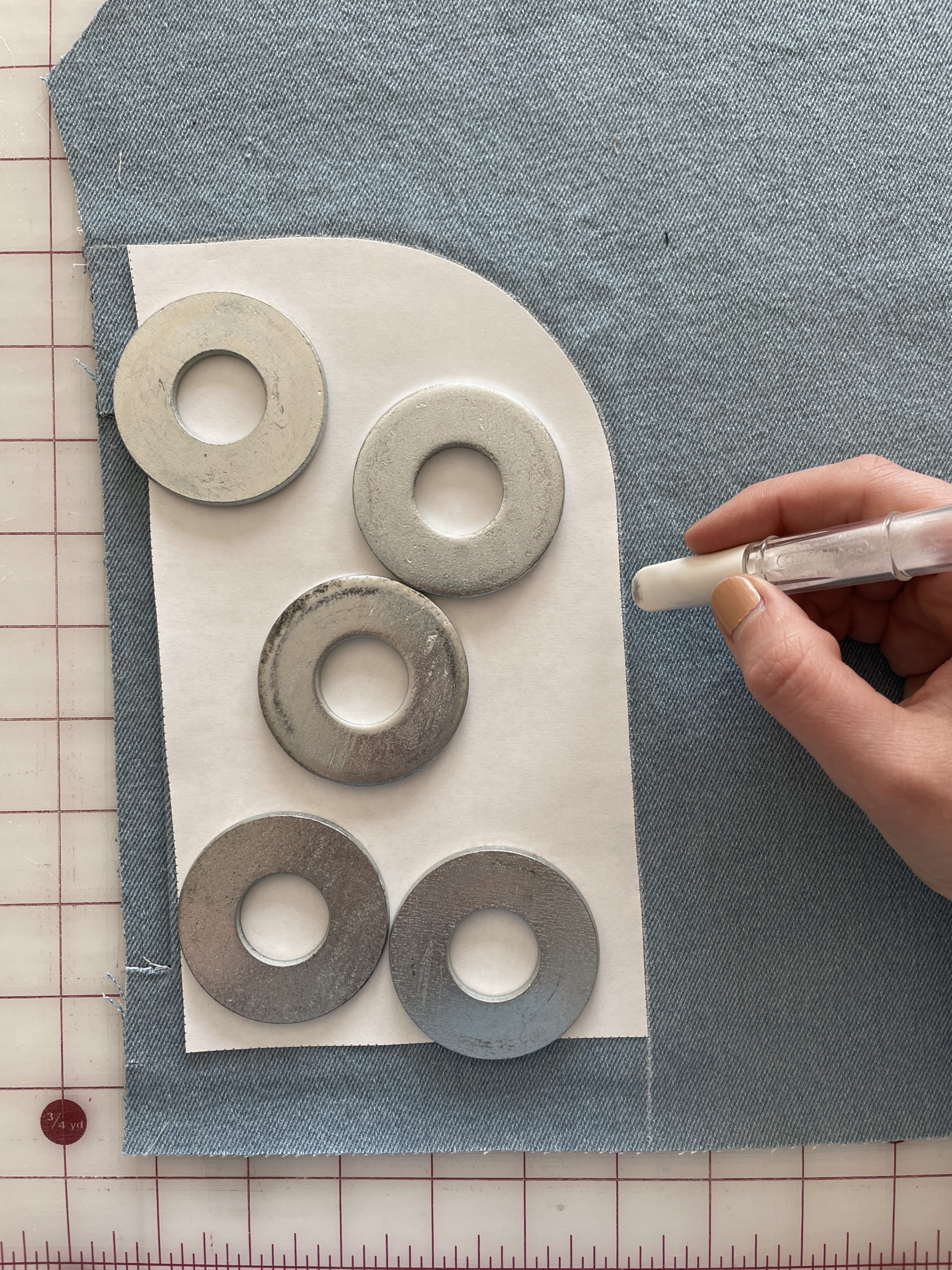
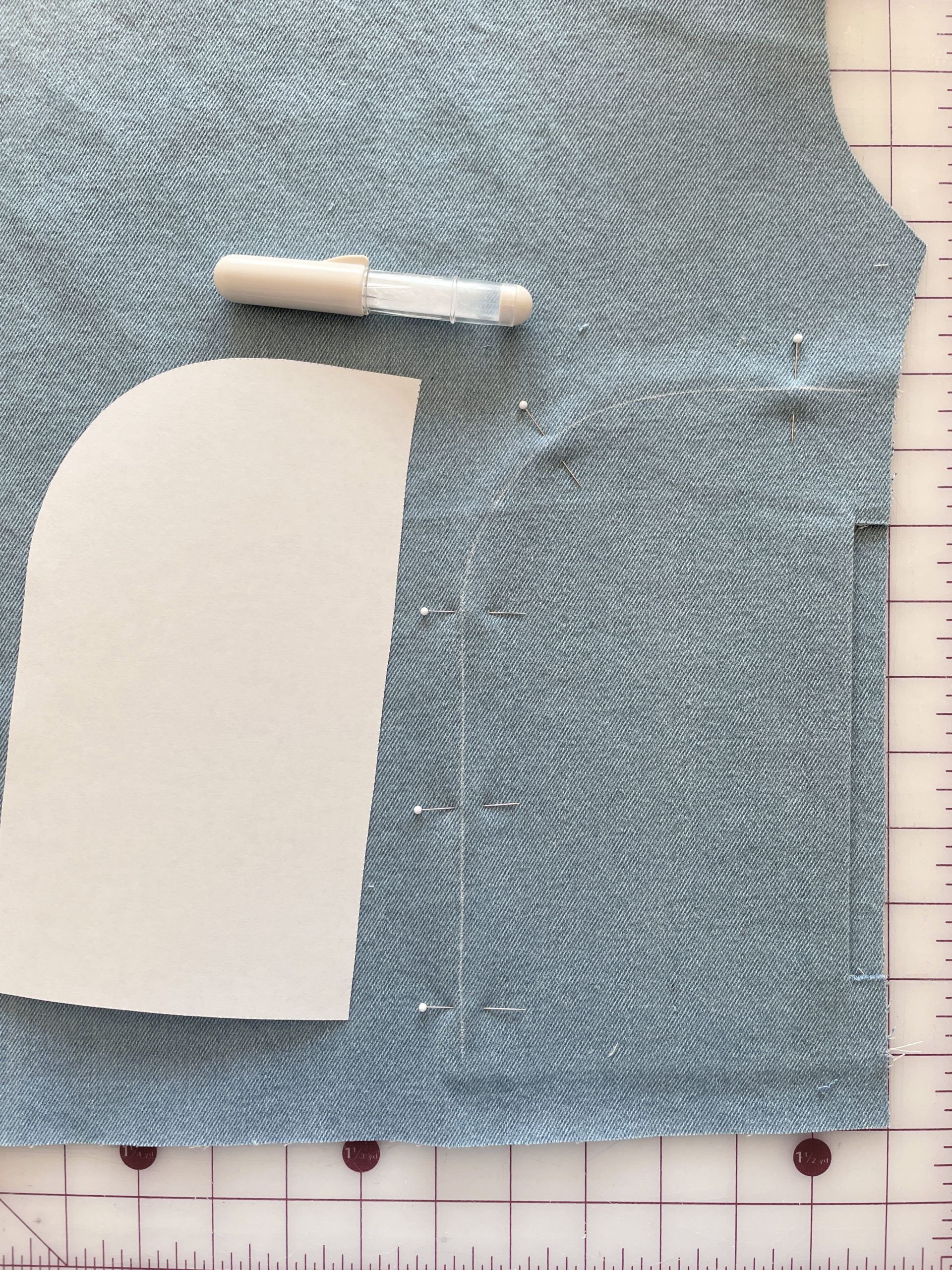
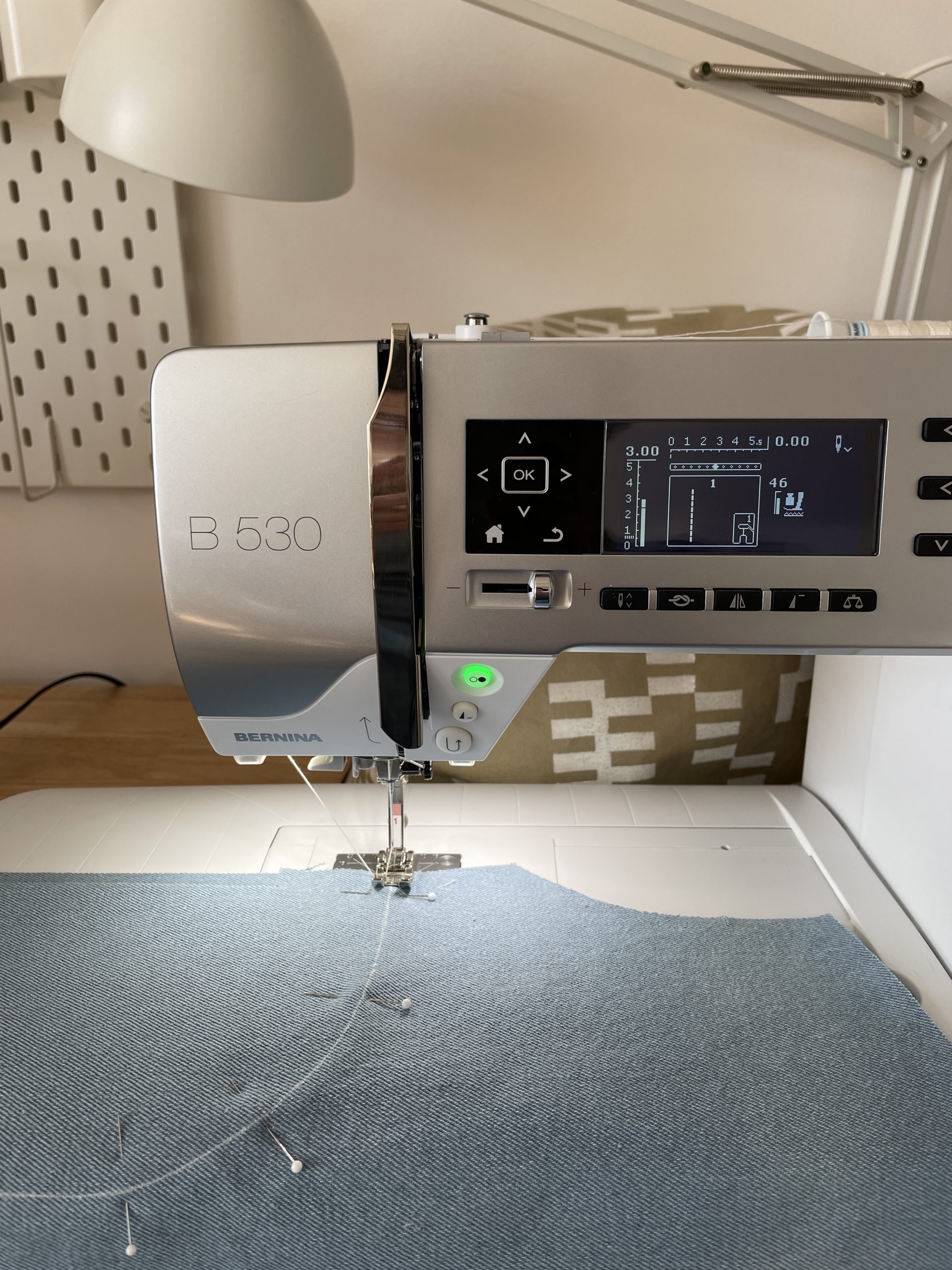
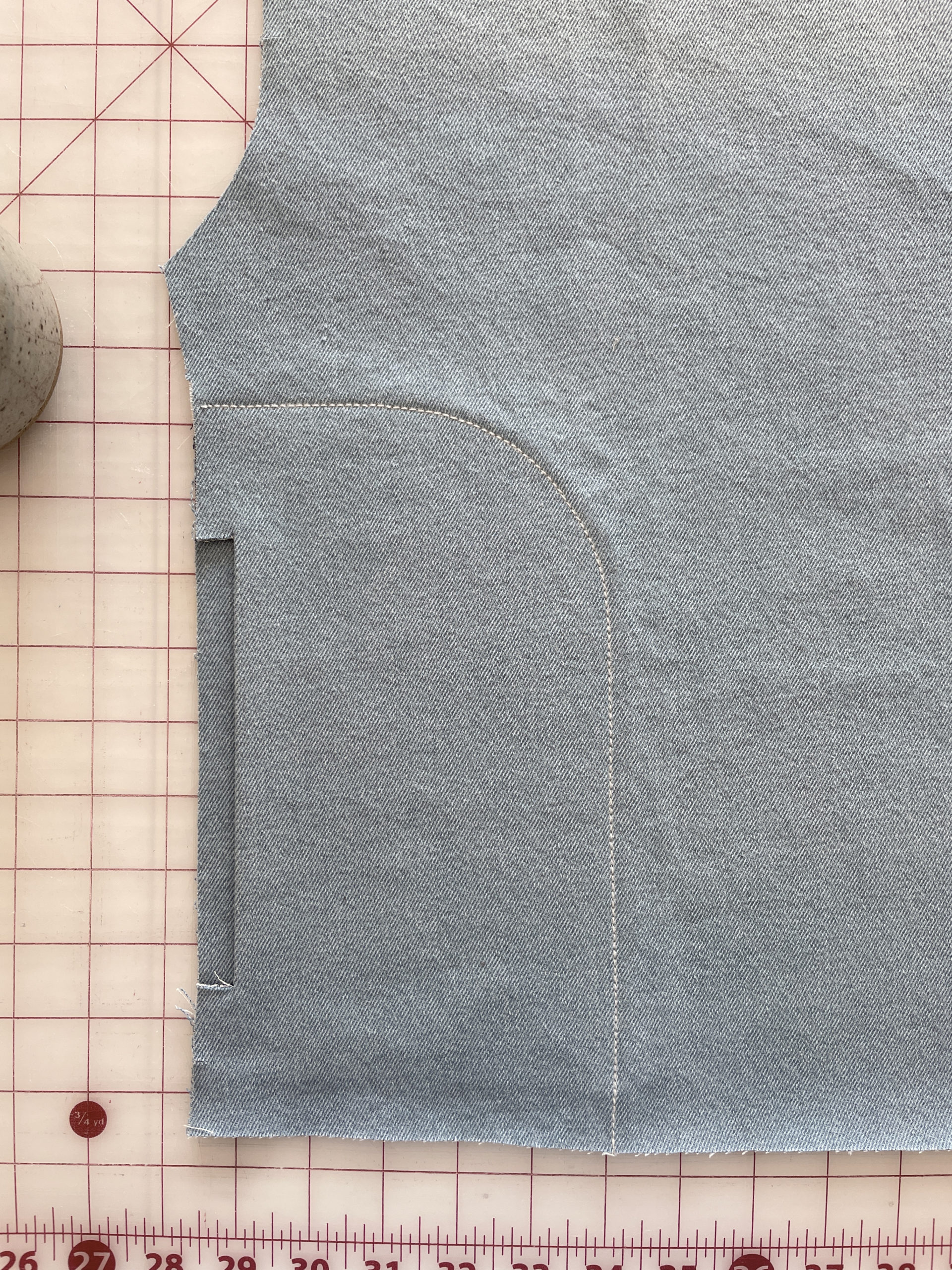
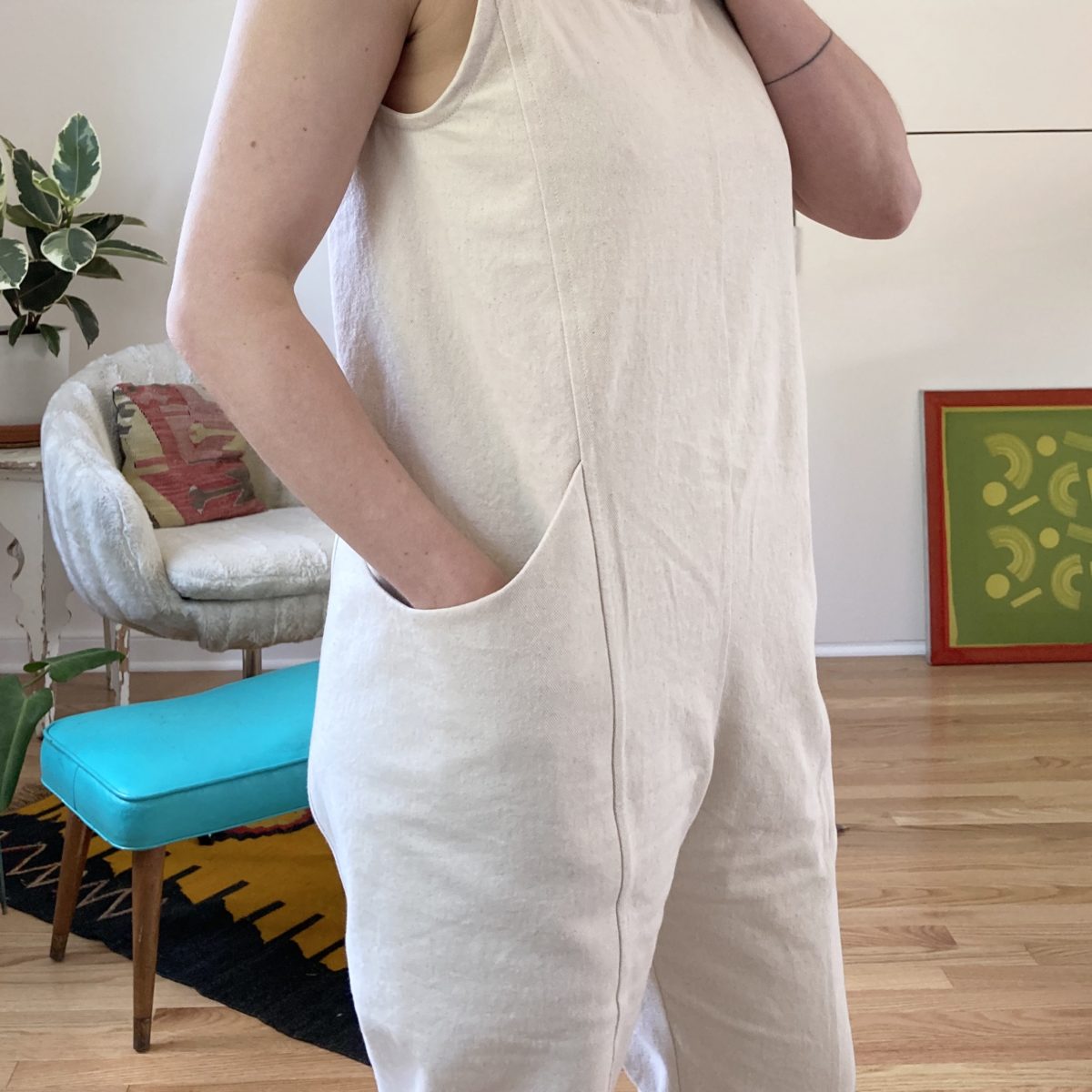
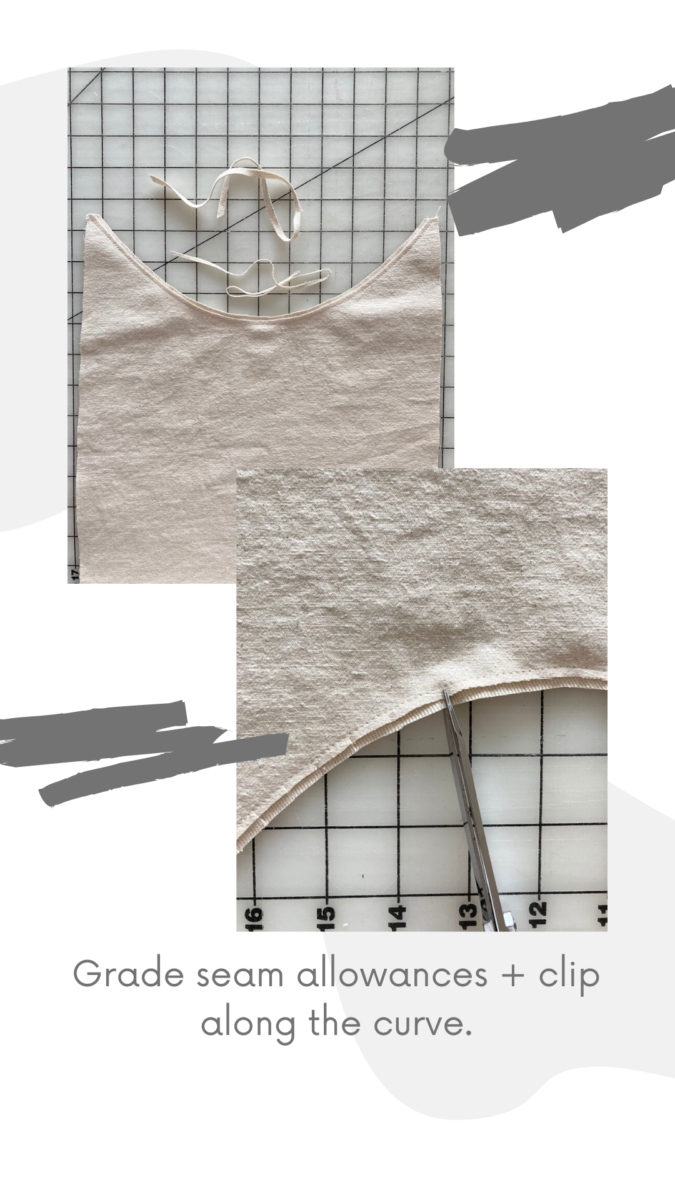
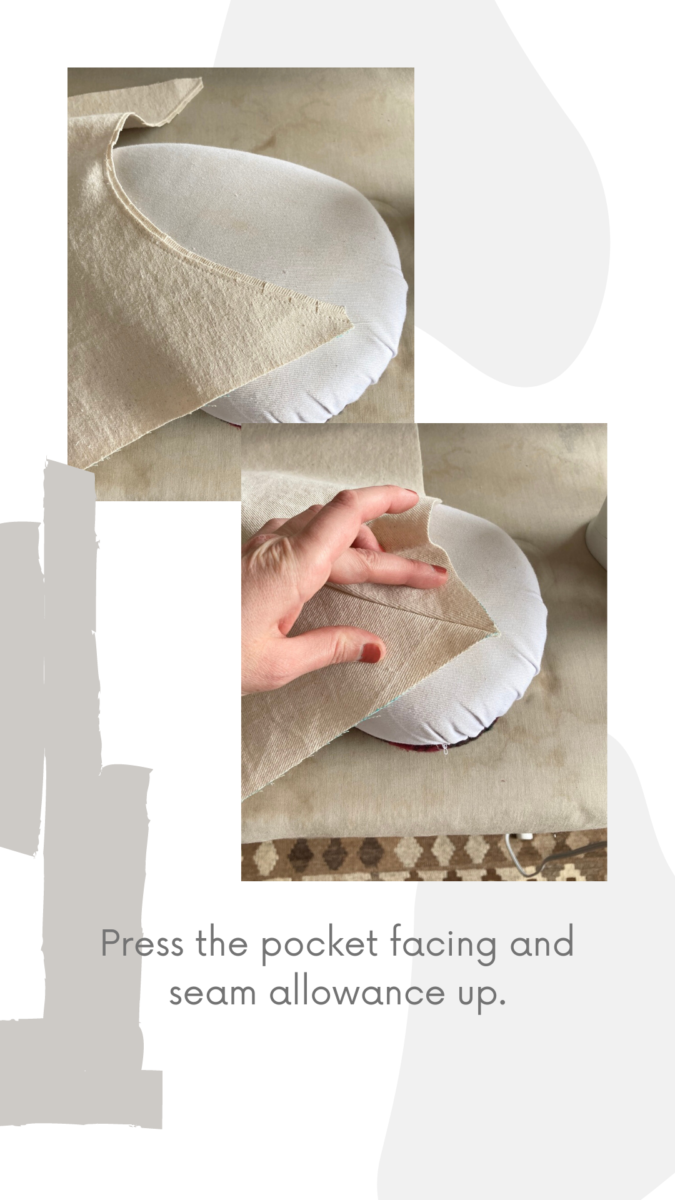
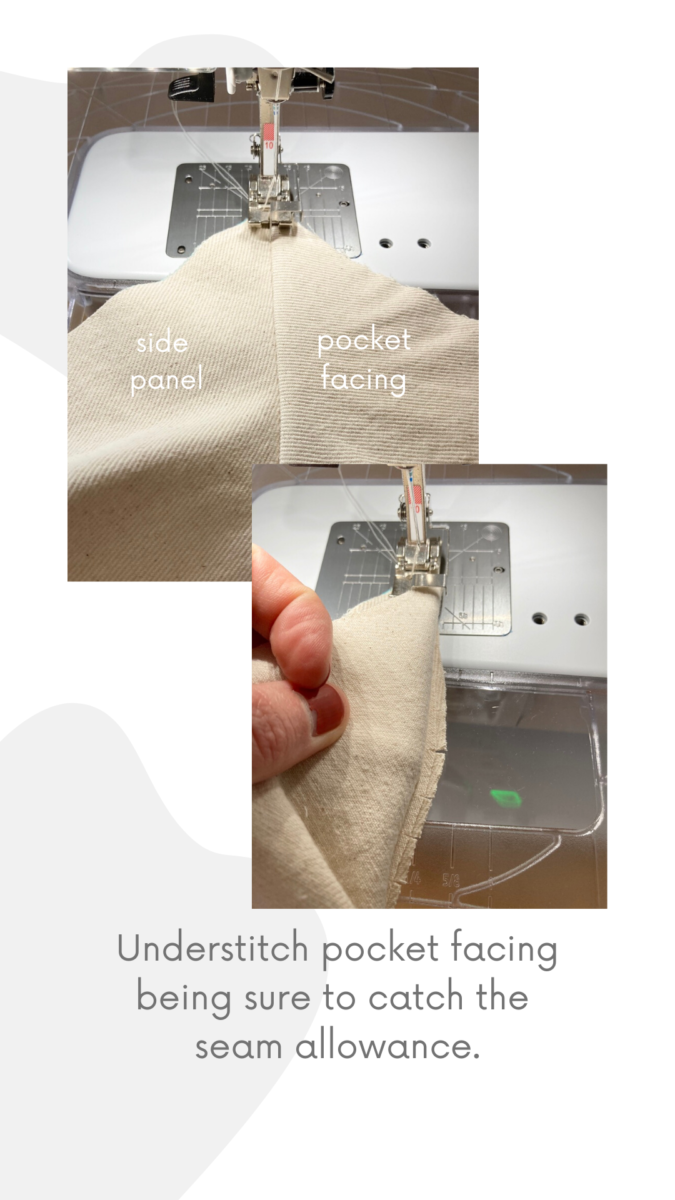
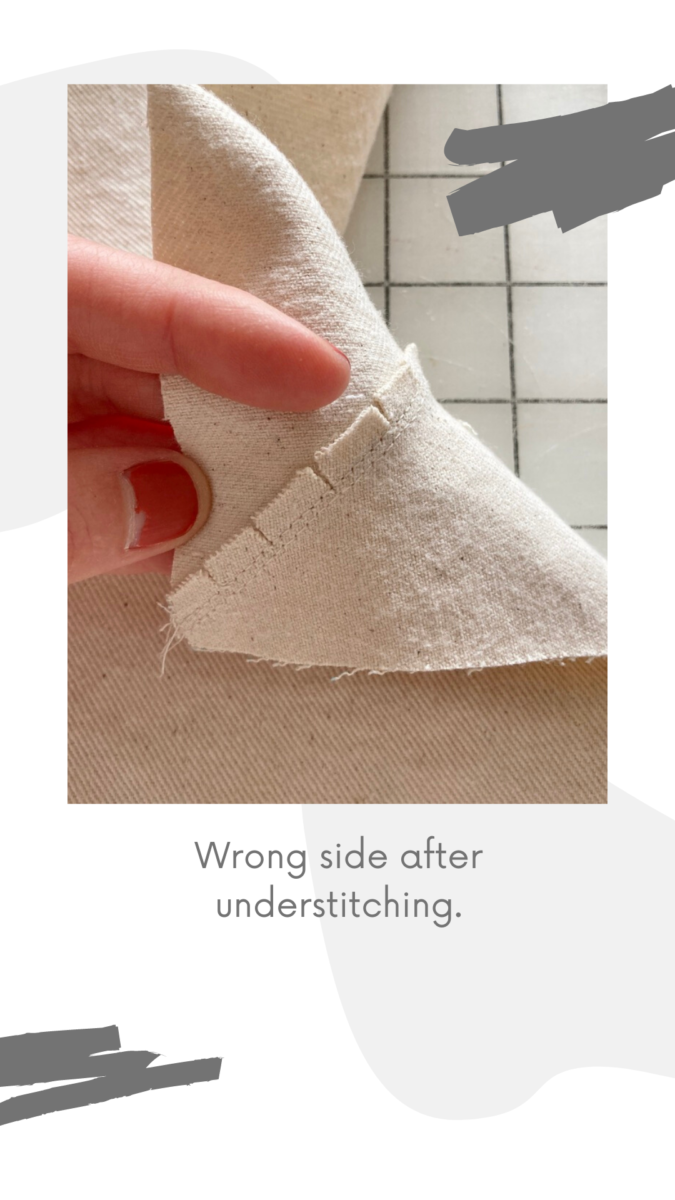
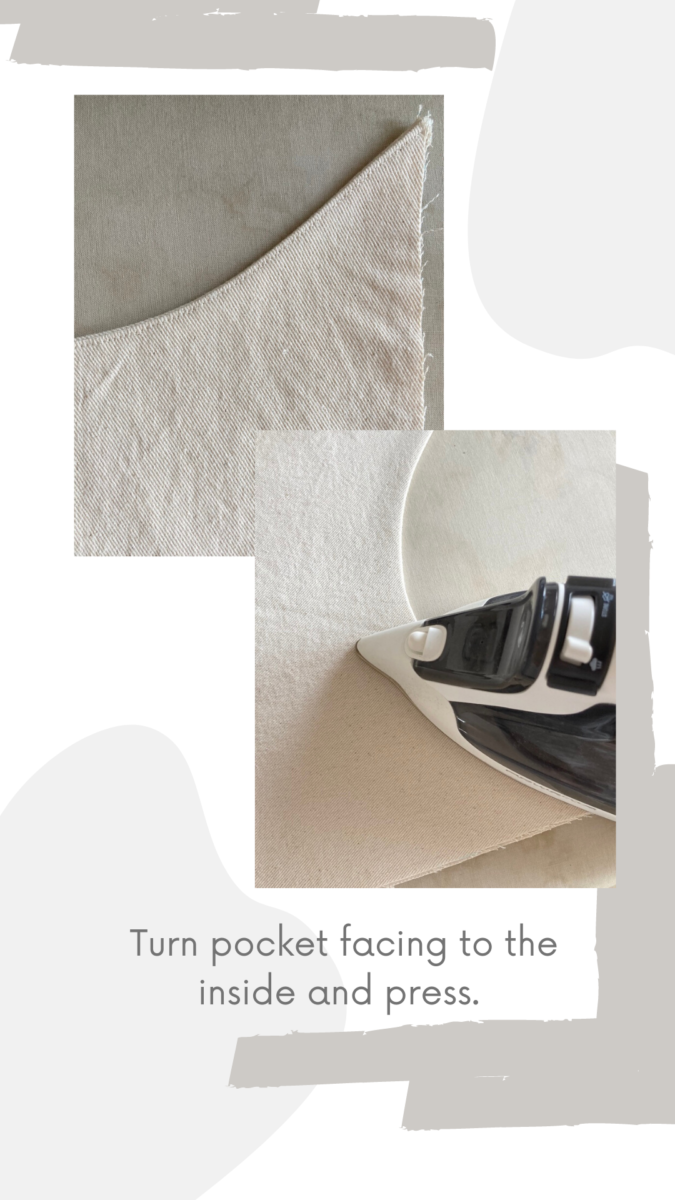
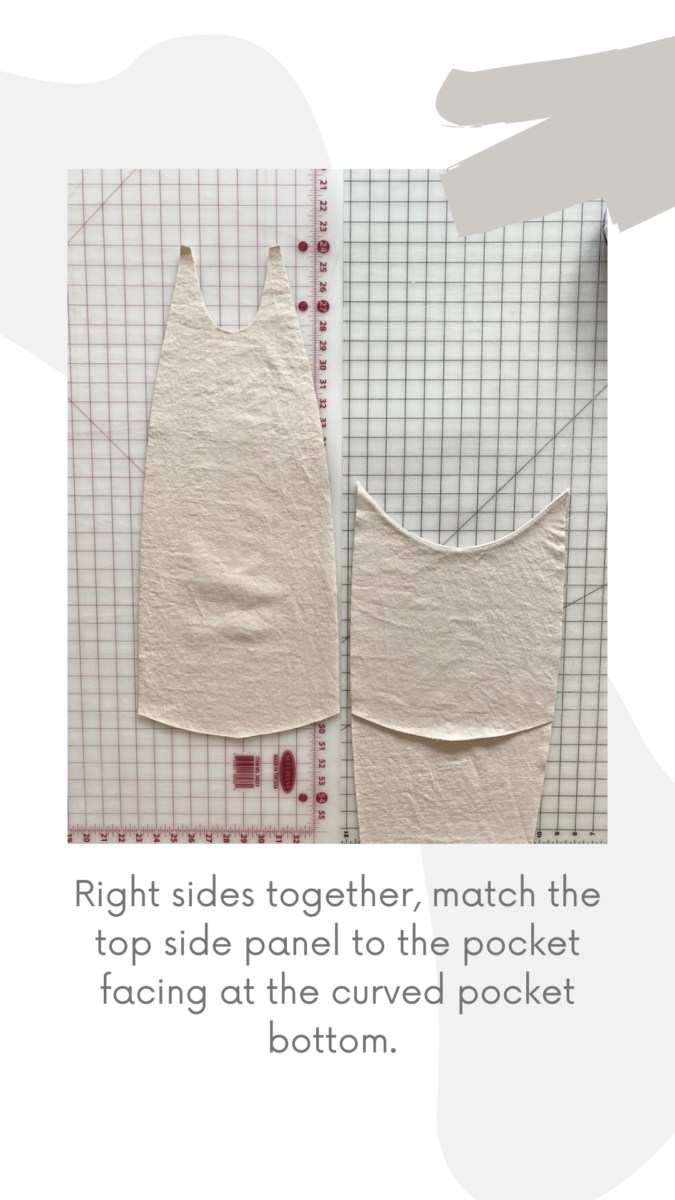
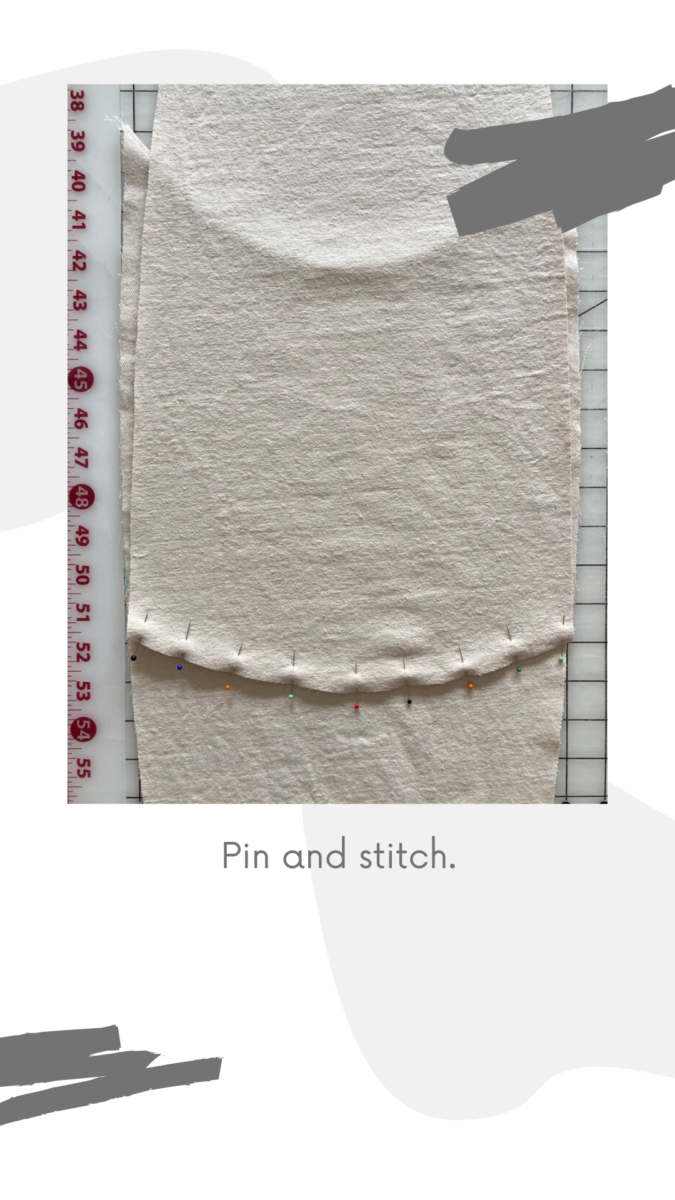
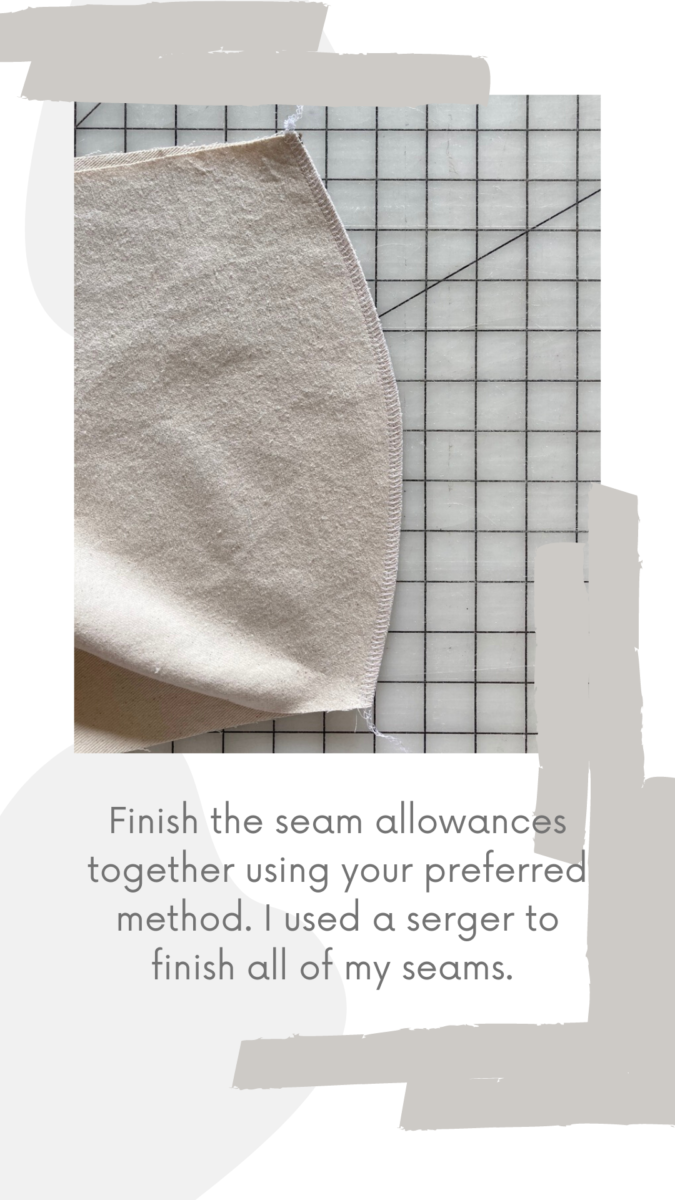
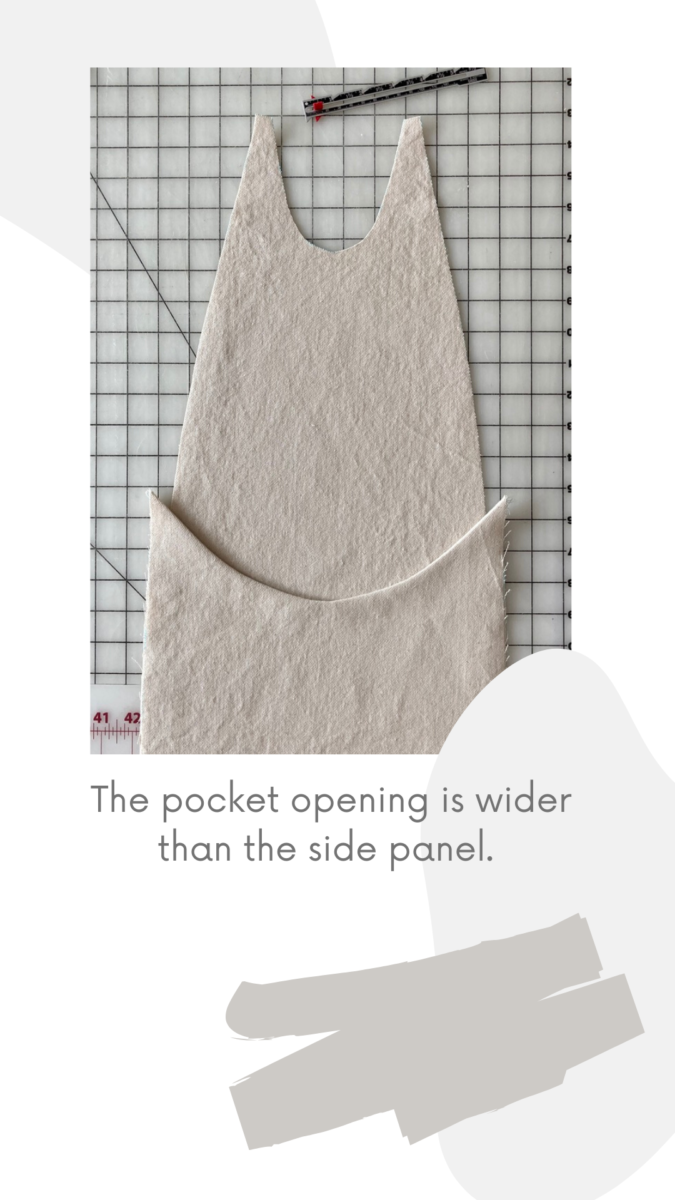
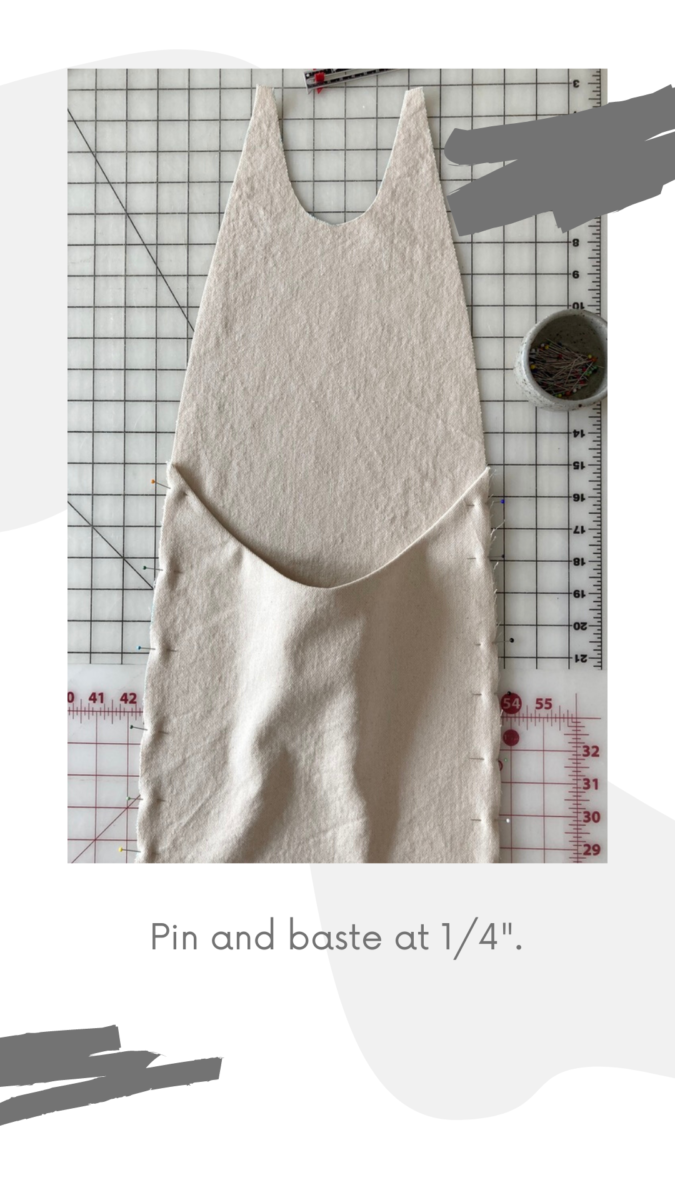
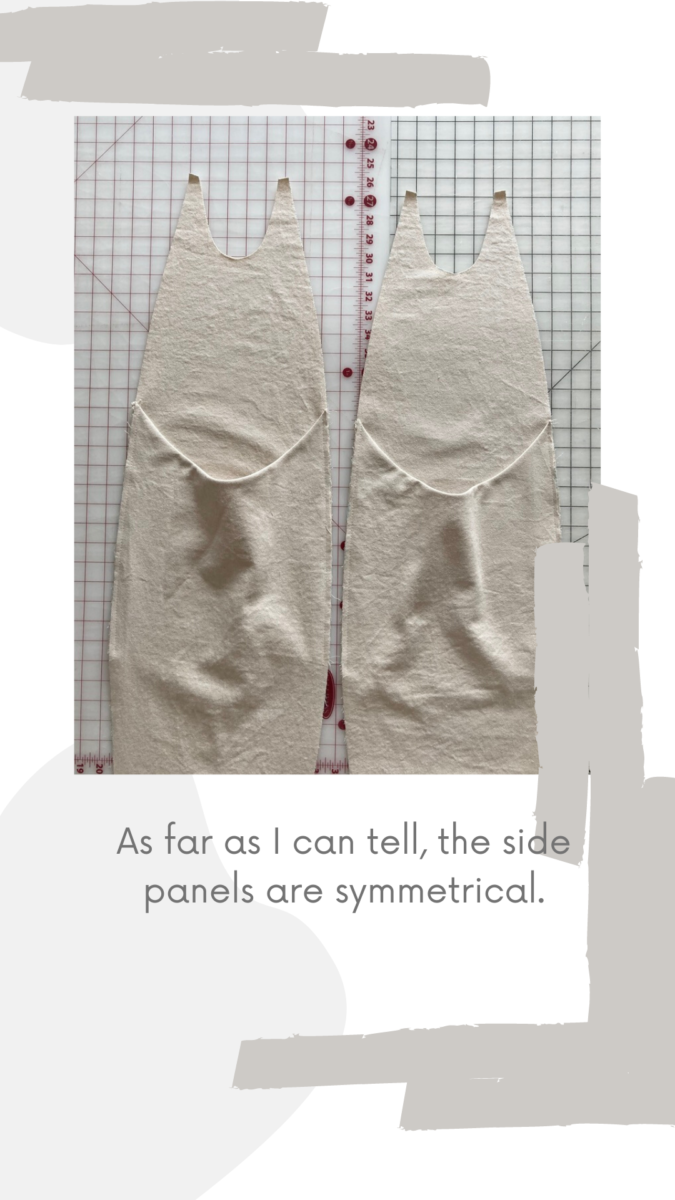
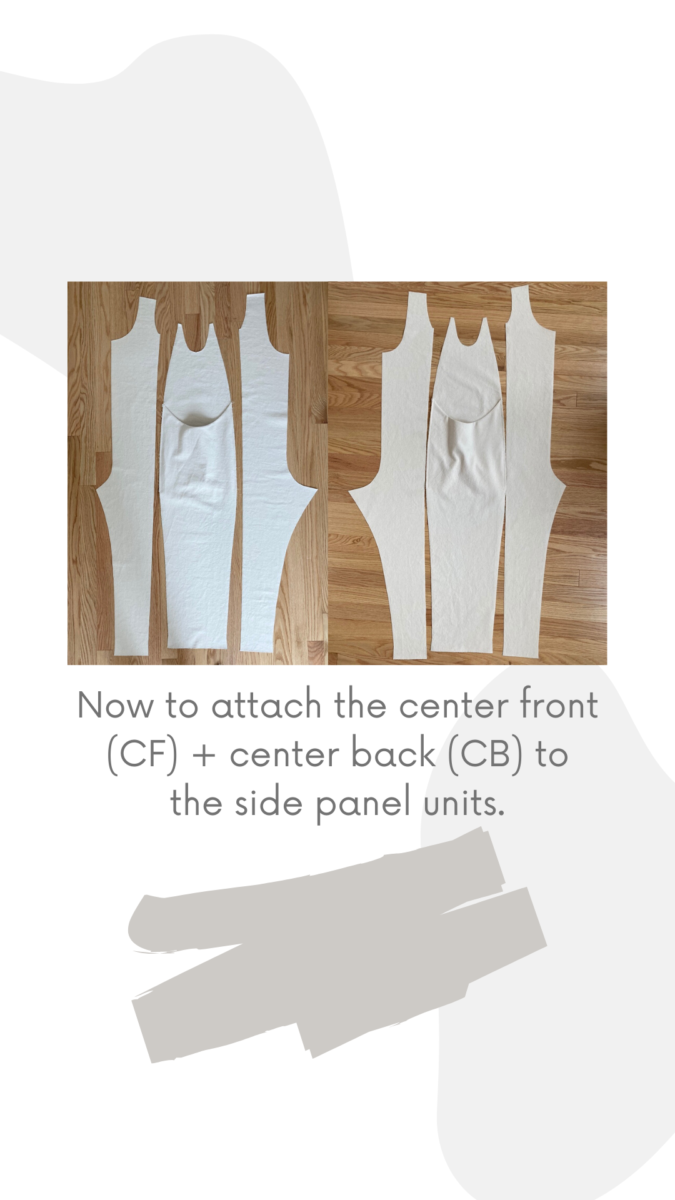
Because I love pockets, I added some side seam friends. Here is a lackluster photo collage of how I did this.
Things I would do differently next time.
Make the buttonholes on the placket before installing. I used a 10oz denim so the seams were THICK. I can’t quite remember which two I made first but ultimately I had to change the direction of one set, so the top two are vertical and the bottom two are horizontal. Even with my compensation plate, my machine was struggling.
Use lining fabric for both sides of the pocket to reduce bulk.
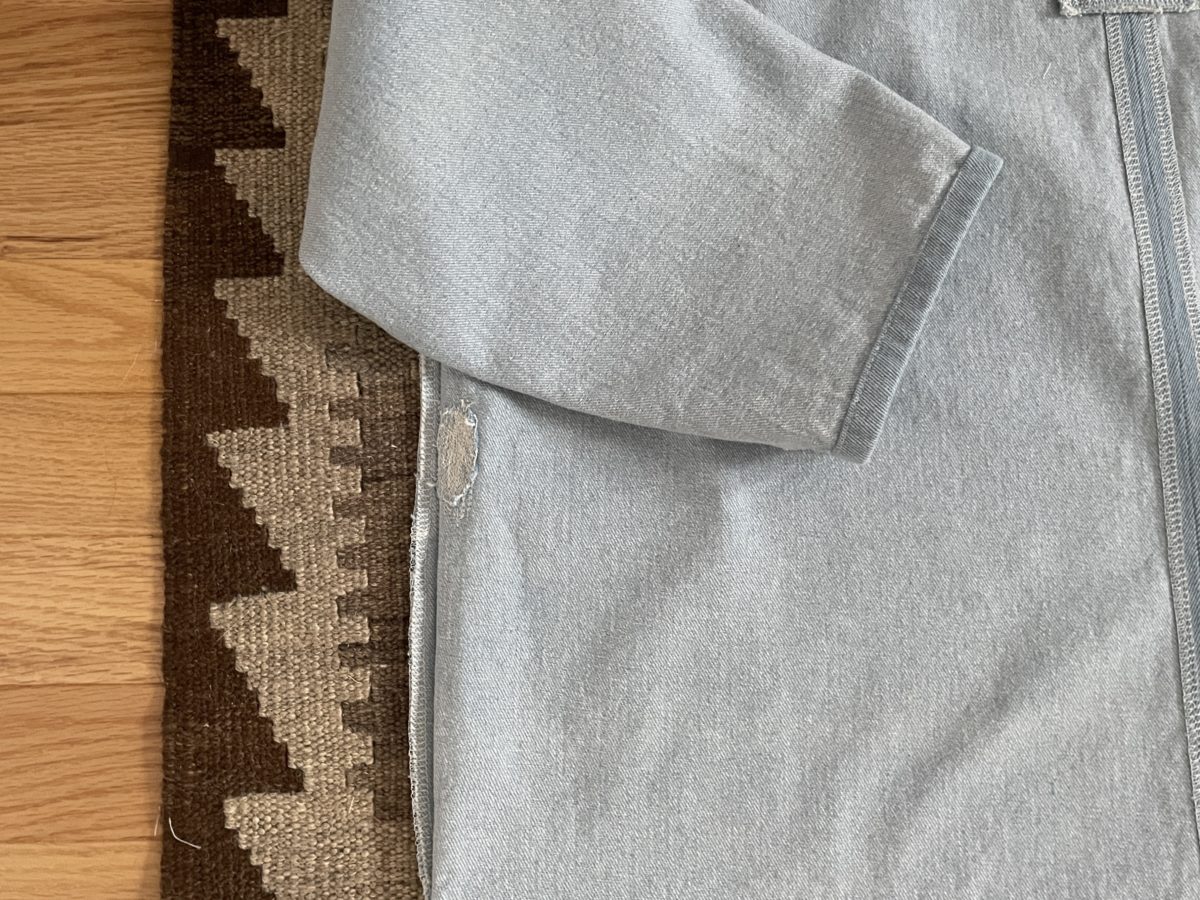
I’d serge the side and underarm seams separately, then stitch, and then press open if I plan to use a heavyweight fabric again. I had a little woopsies with my serger on one side seam. It was a case of not paying attention and rushing, so please don’t give me serger tips – I know exactly what happened. The patch is pictured below.
I’d recommend this pattern for advanced beginner to intermediate folks who have a good understanding of garment construction. The instructions do kind leave some things up to the maker, which I’m fine with but might be a little frustrating for some.
I had a little bit of this heathered gray french terry leftover from making my husband a hoodie last fall. There was enough to make myself either a pair of shorts or a sweatshirt, but I rarely feel super inspired to sew loungewear.
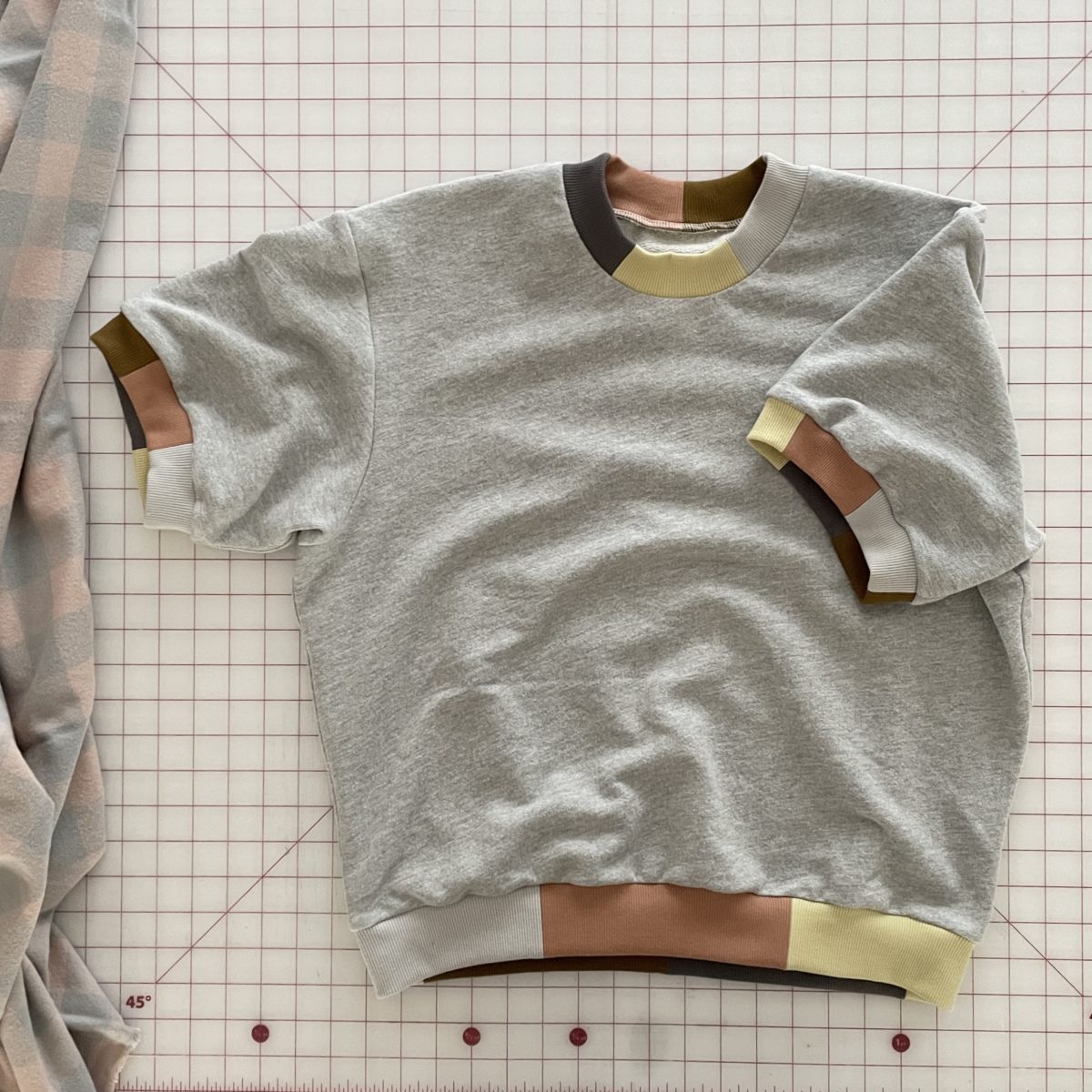
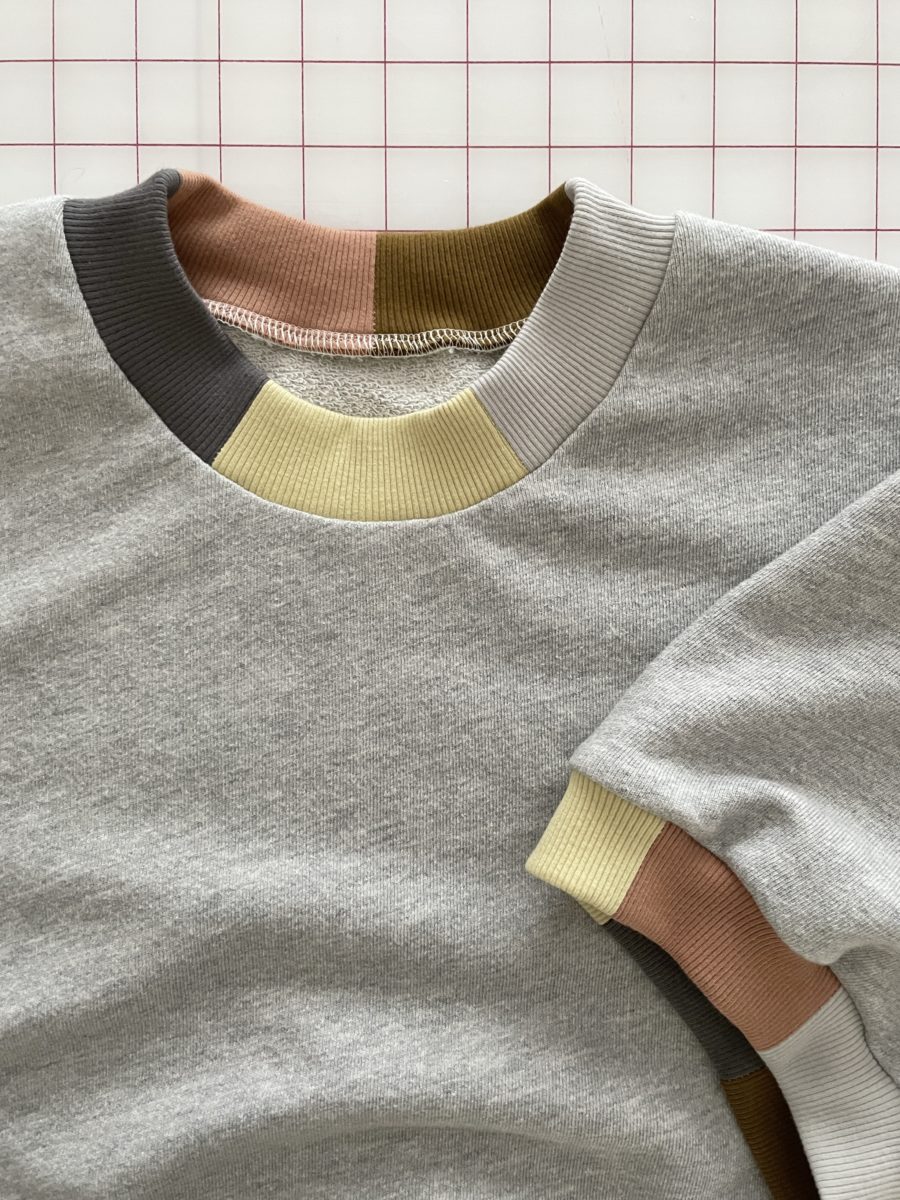
Then Daisy Chain Patterns released the Dale sweatshirt. I really like its high neckline with a beefy neckband and the short sleeve option. I took inspiration from the photo samples to have some fun with the bands.
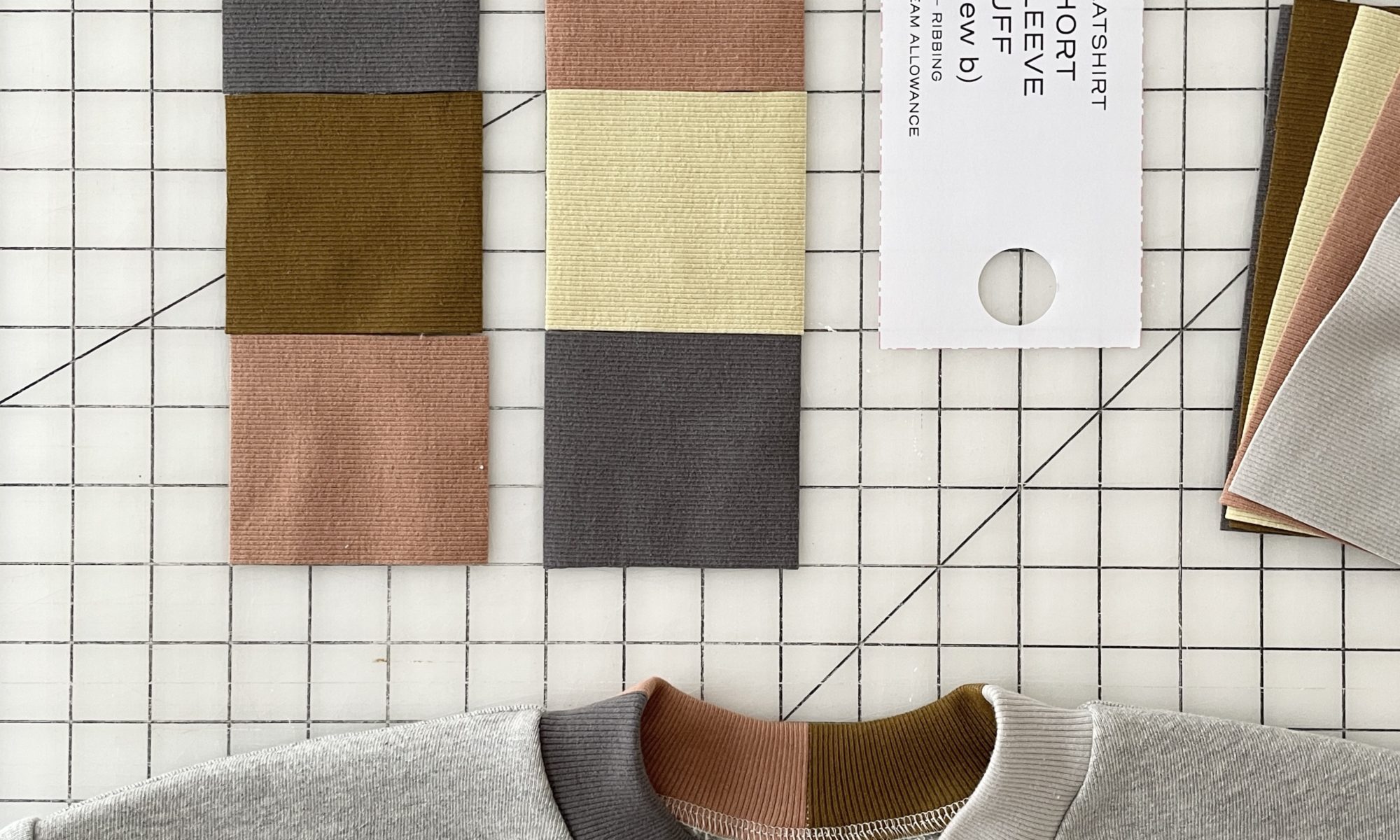
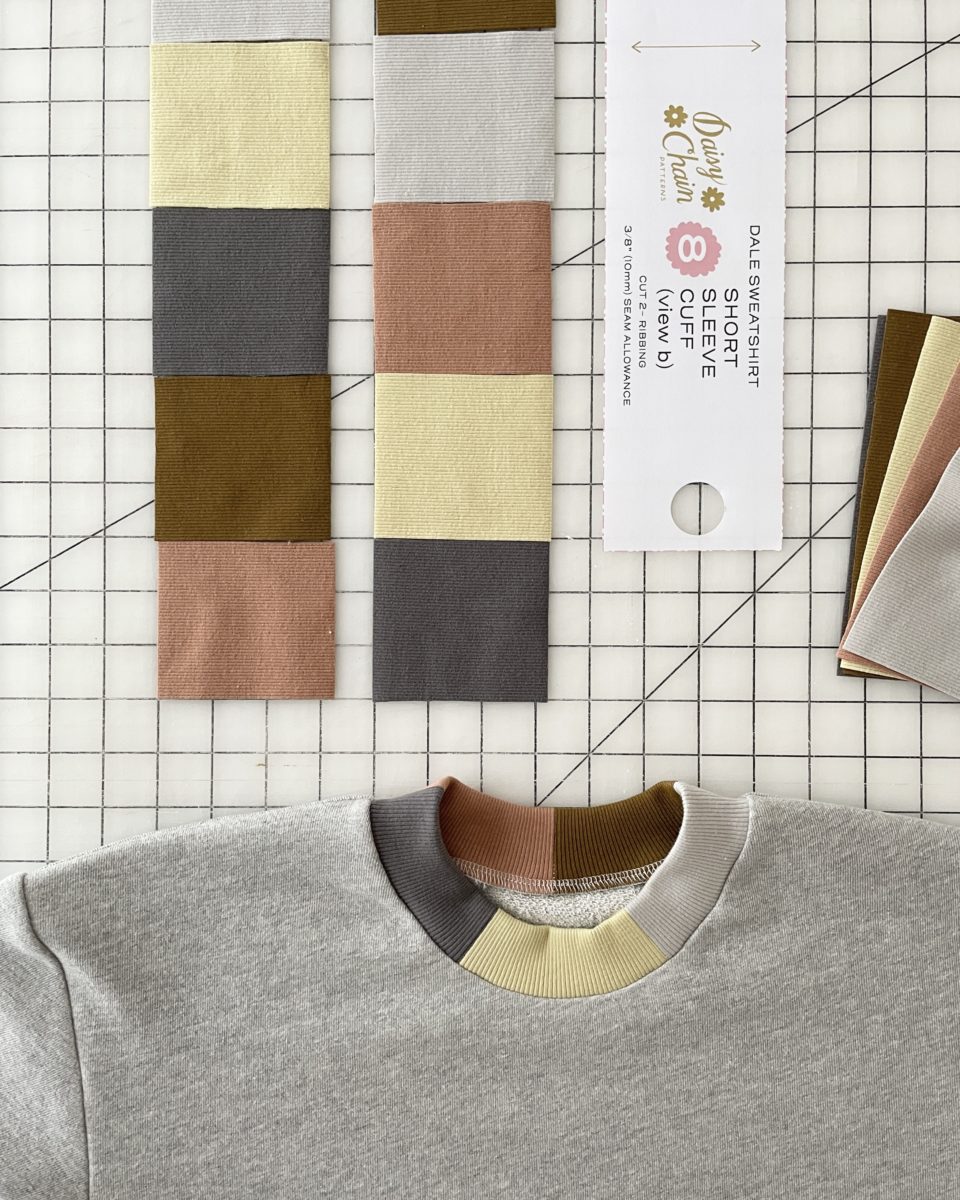
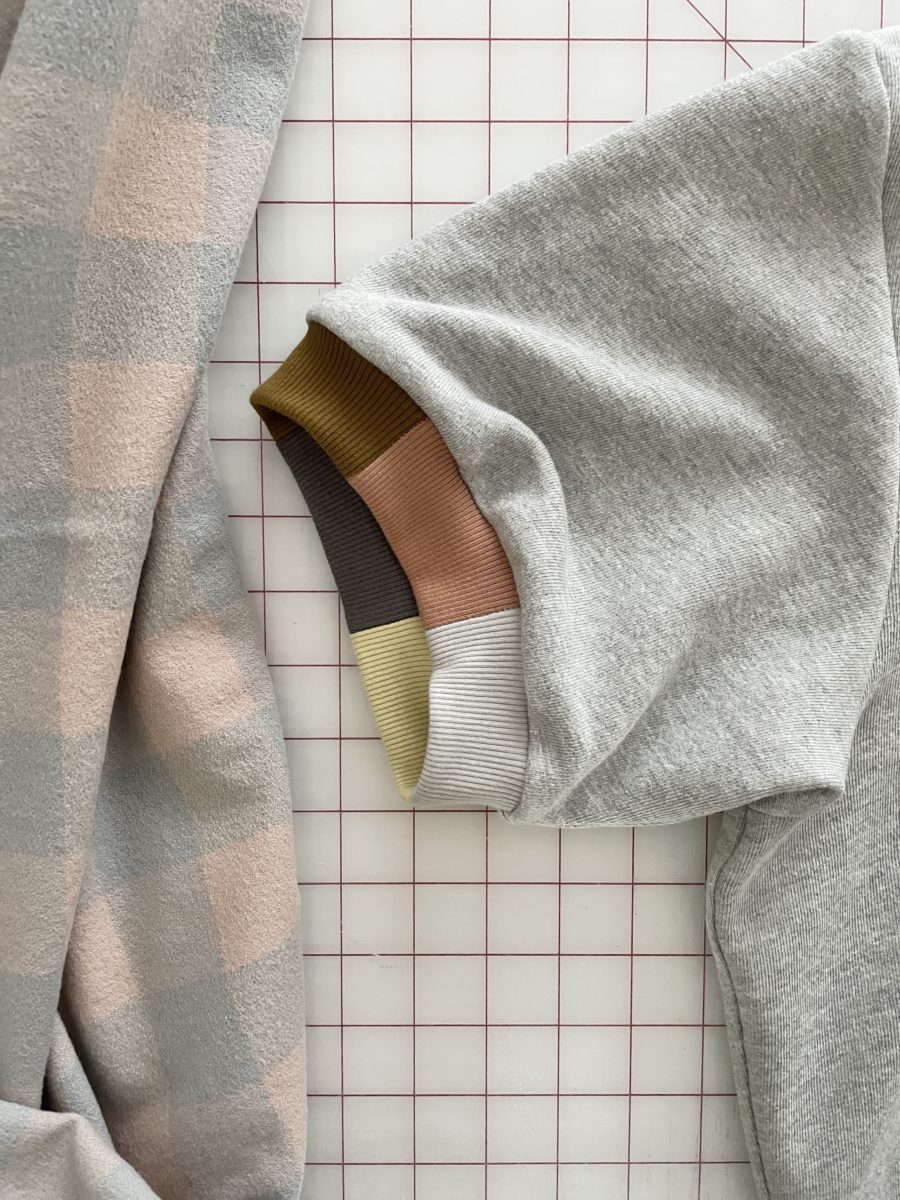
Although I had enough light gray ribbing for all of the bands, I opted to use every color of rib knit in my stash. I think this look is fun an a little weird.
To color block the bands, I divided the lengths by 5, added seam allowance, stitched them together with a lightning stitch, and pressed the seams open. This rib knit is very stretchy, so I wasn’t too worried that the extra seams would impact the stretch.
My measurements put me at a size 10/M. I think I could have shortened the length by an inch or two for a more cropped look. The hem band is kinda hidden by the length folding over it.
I might make another color blocked one with leftover black sweatshirt fleece. It’s a good way to use up those tiny rib knit scraps.
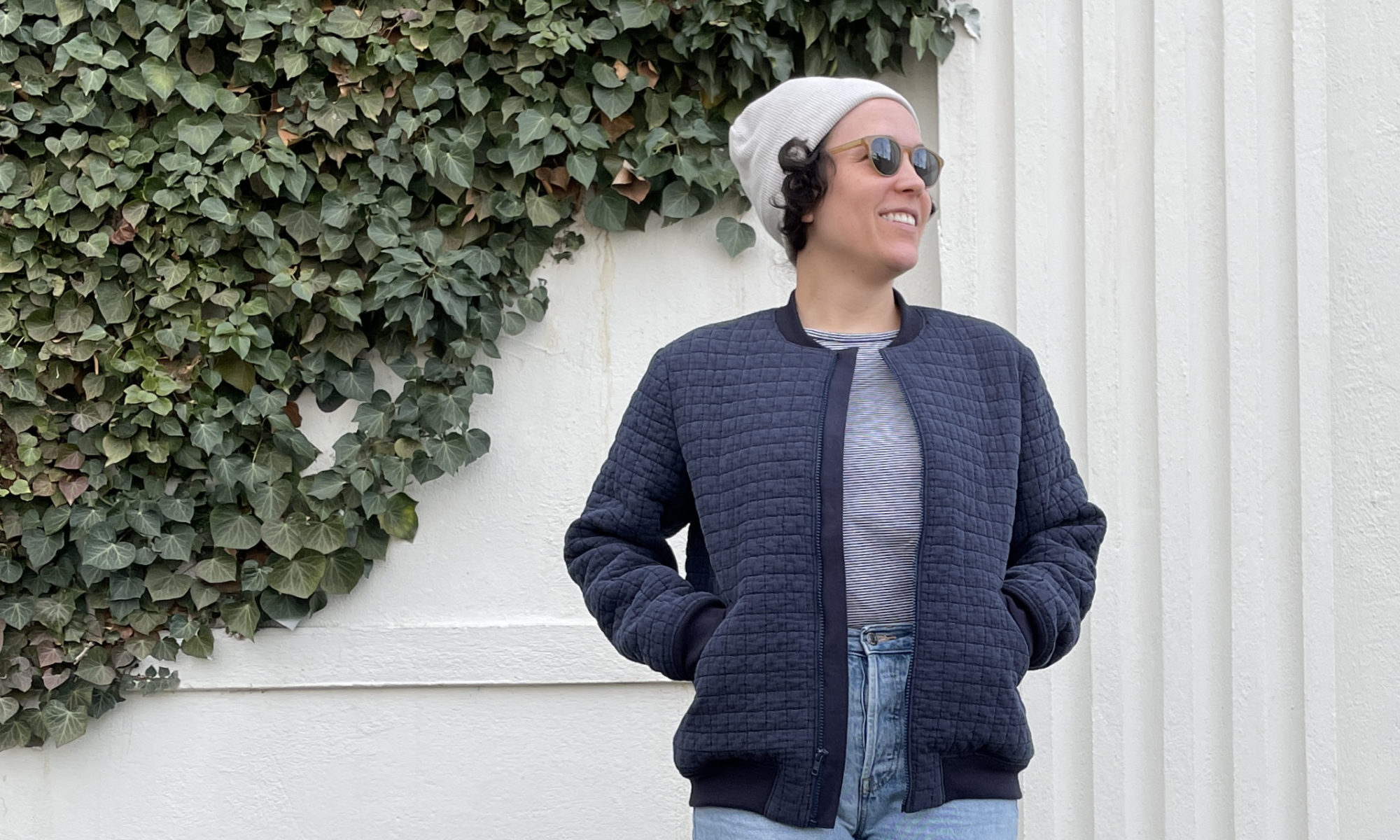
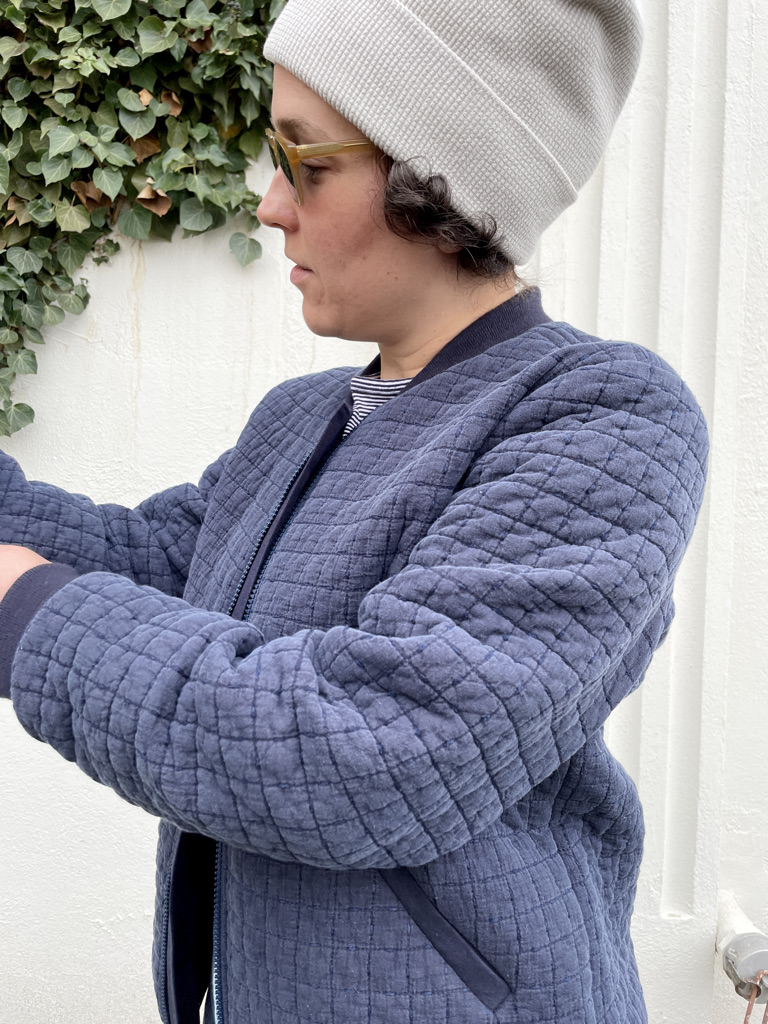
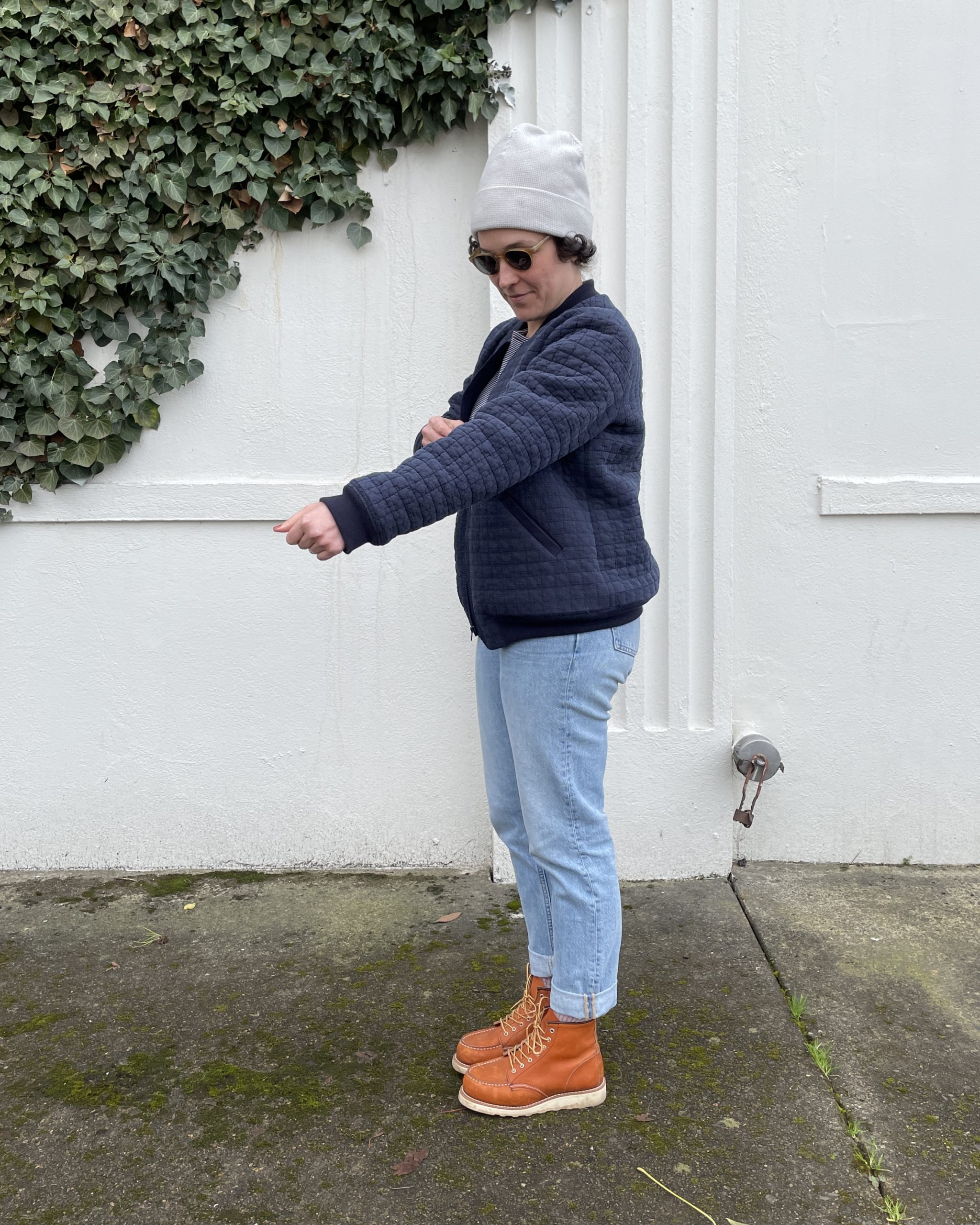
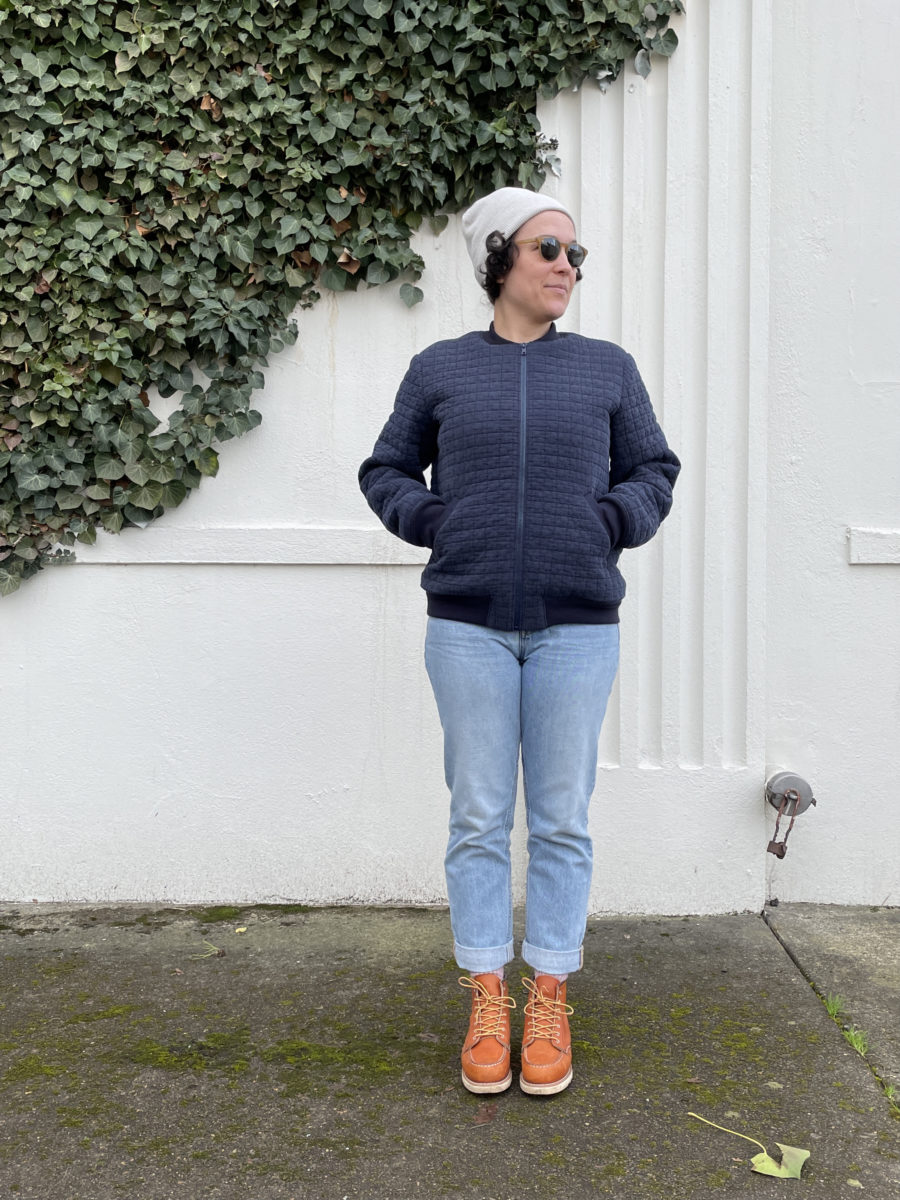
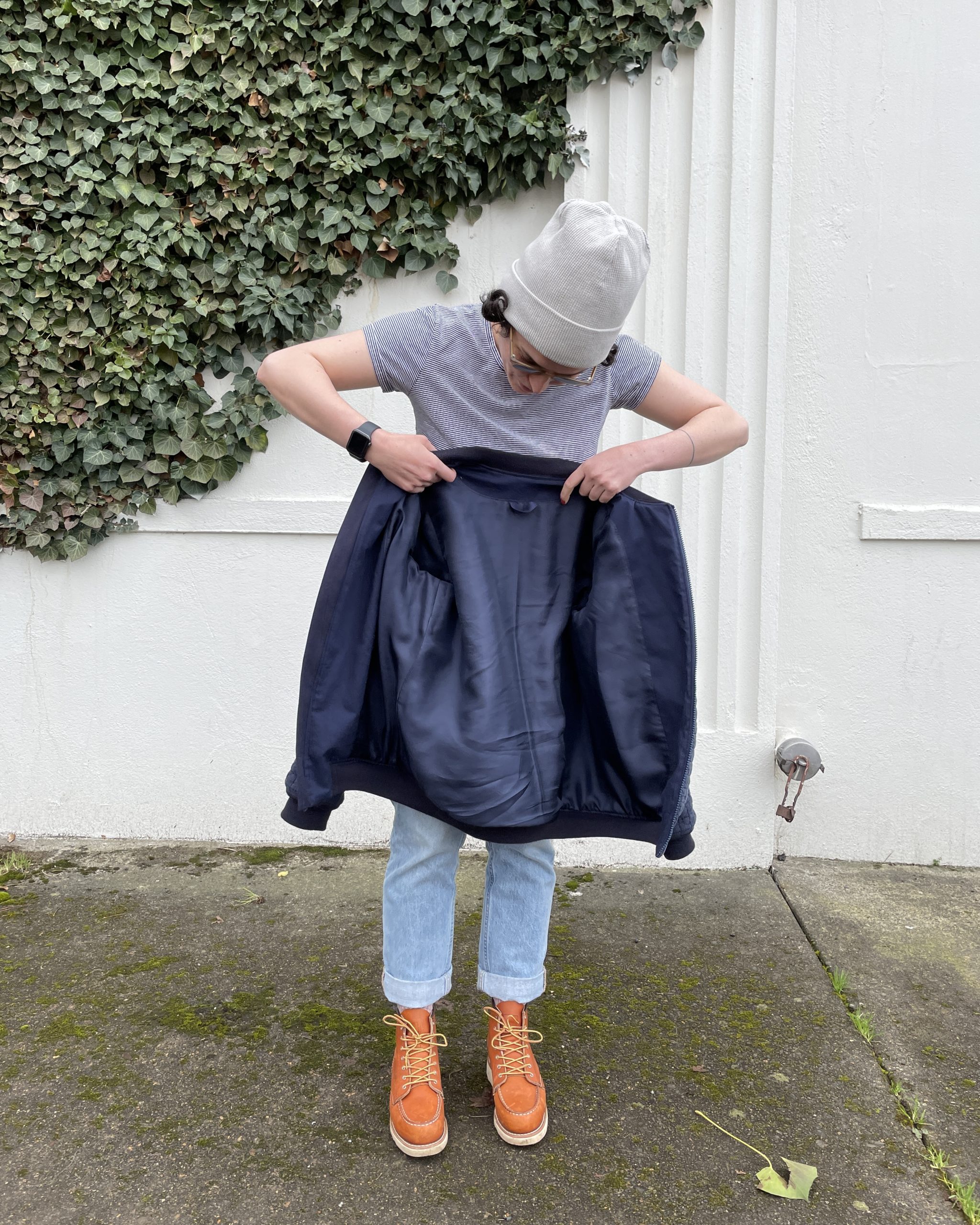
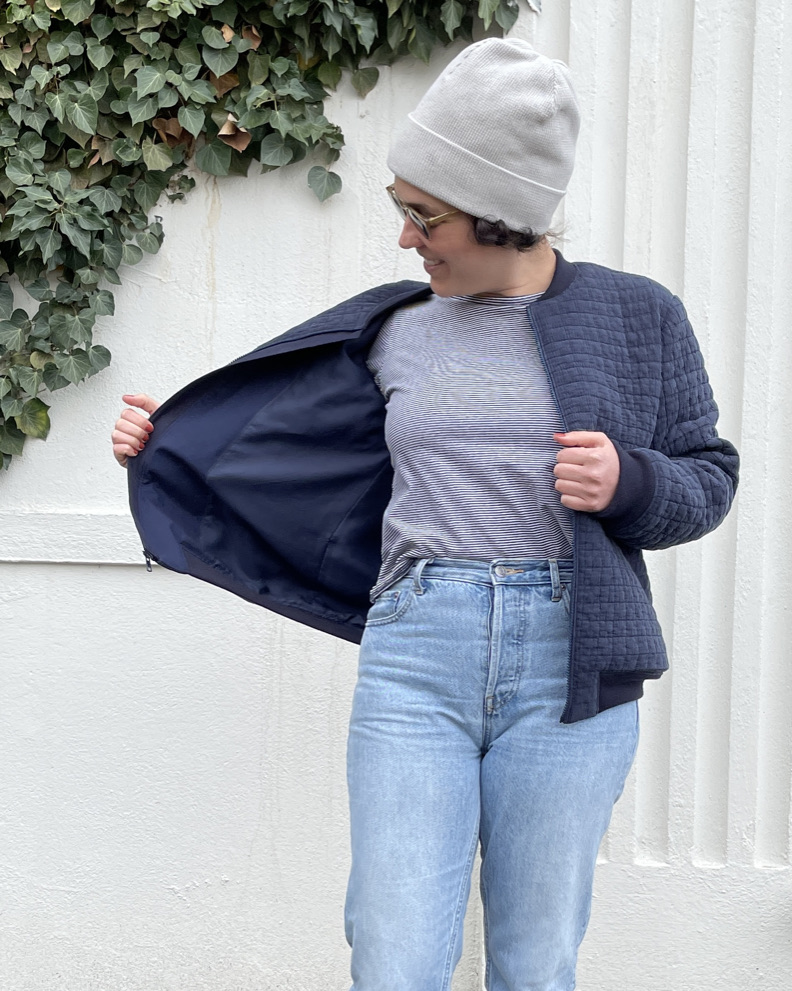
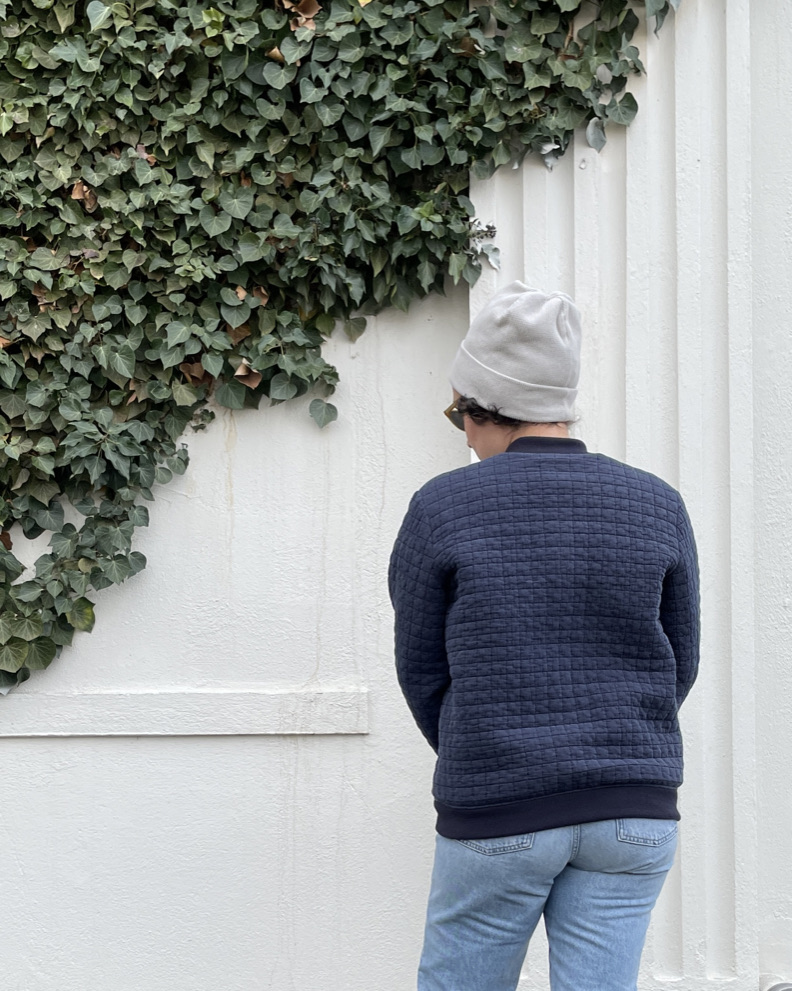
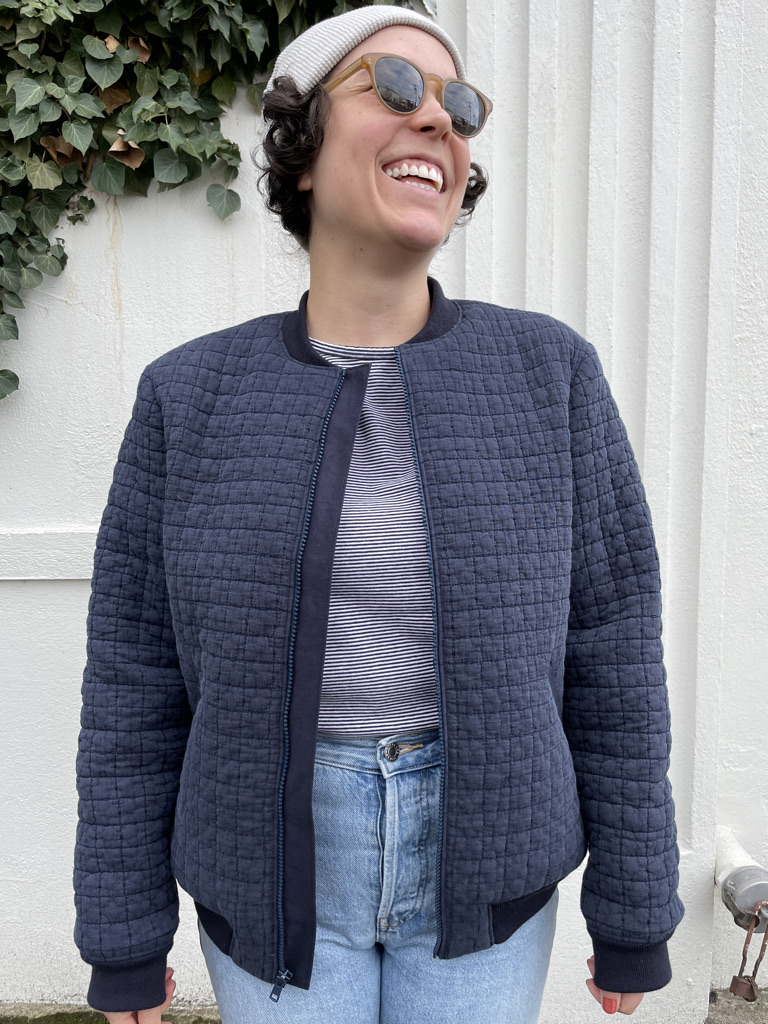
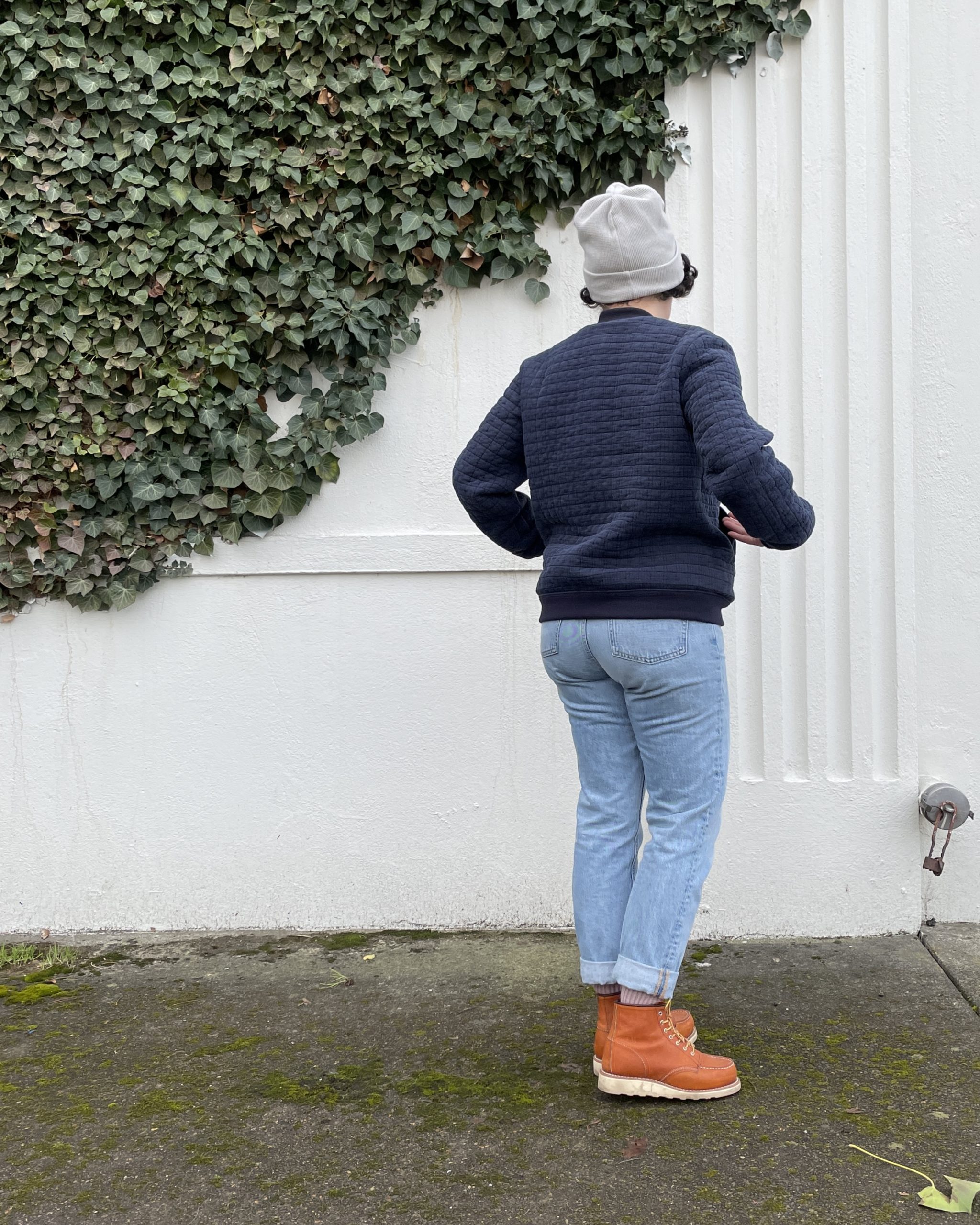
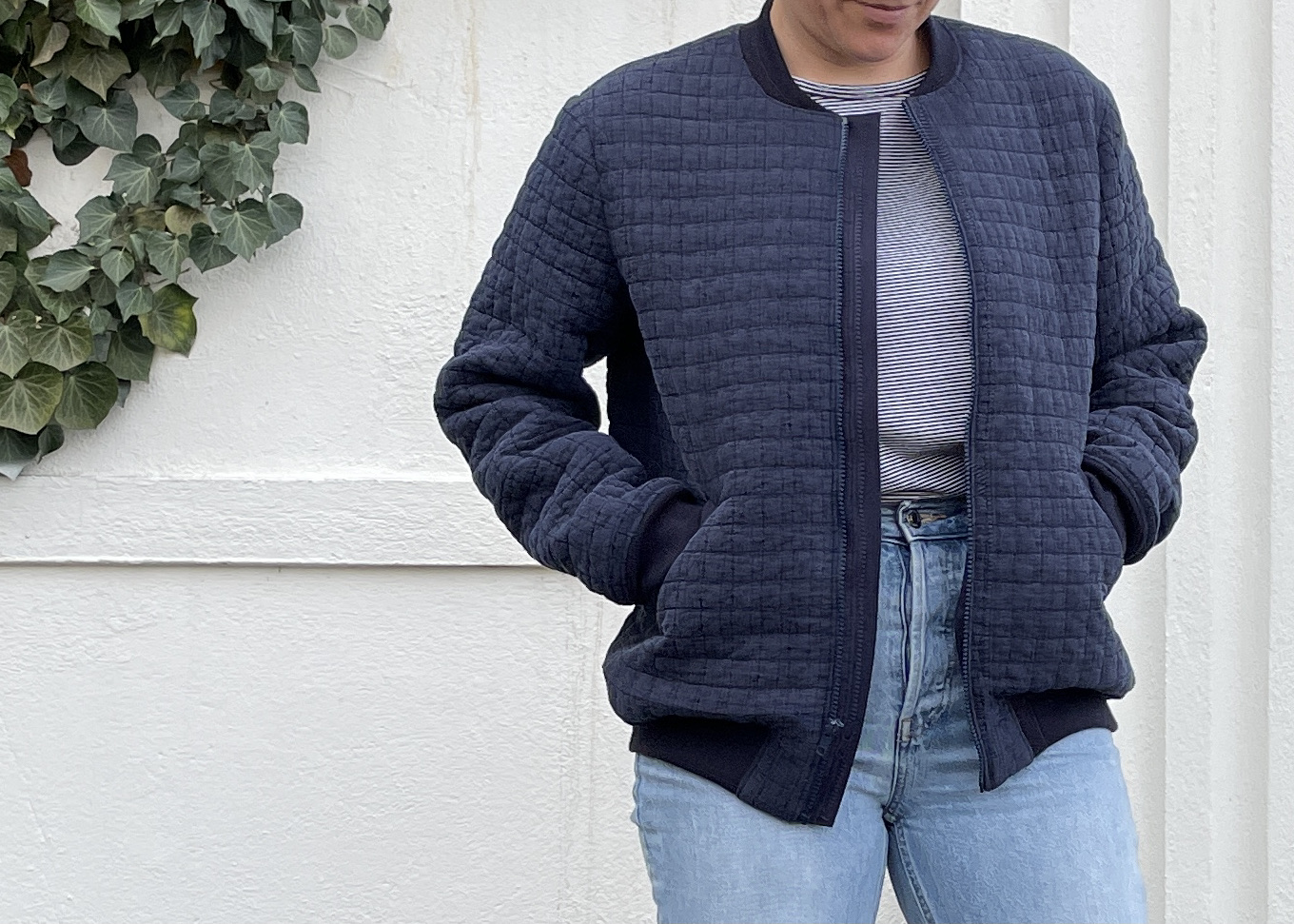
On a rare trip to Joann Fabrics a couple years ago, I found this quilted fabric in the upholstery section. I really liked the grid pattern and it almost looked like some quilted denim jackets I’d been eyeing.
I thought it would make a really cool Ilford jacket, but I didn’t make a muslin and I didn’t really read through the instructions for the plackets and collar. Once I was able to try it on, it was far too big and I started to question how good those details would look in this bulky material.
No shame to the Ilford pattern at all, this was just a case of wrong size + weird fabric = mental pattern abandonment.
Another year or so later, the Seamwork Larkin was released and after passing by that abandoned Ilford in my closet, inspiration hit.
The pattern is not drafted for bulky material, so I knew it was a bit of a gamble. The poly batting is pretty lofty, so this time I thought I should do some tests before diving in.
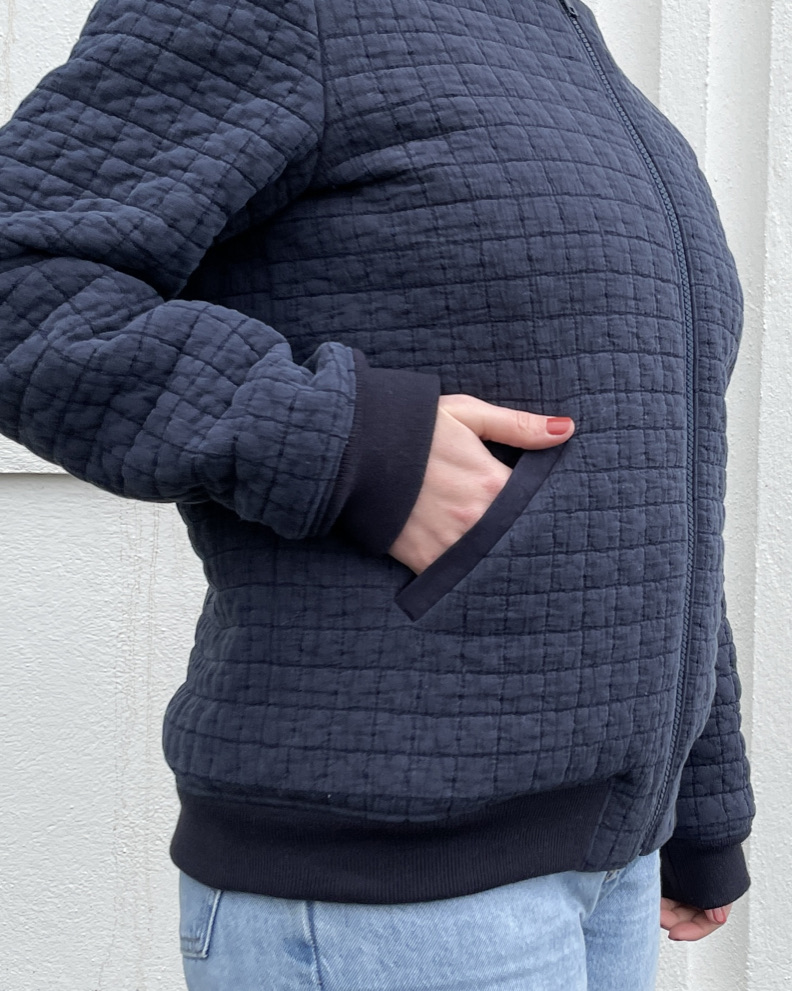
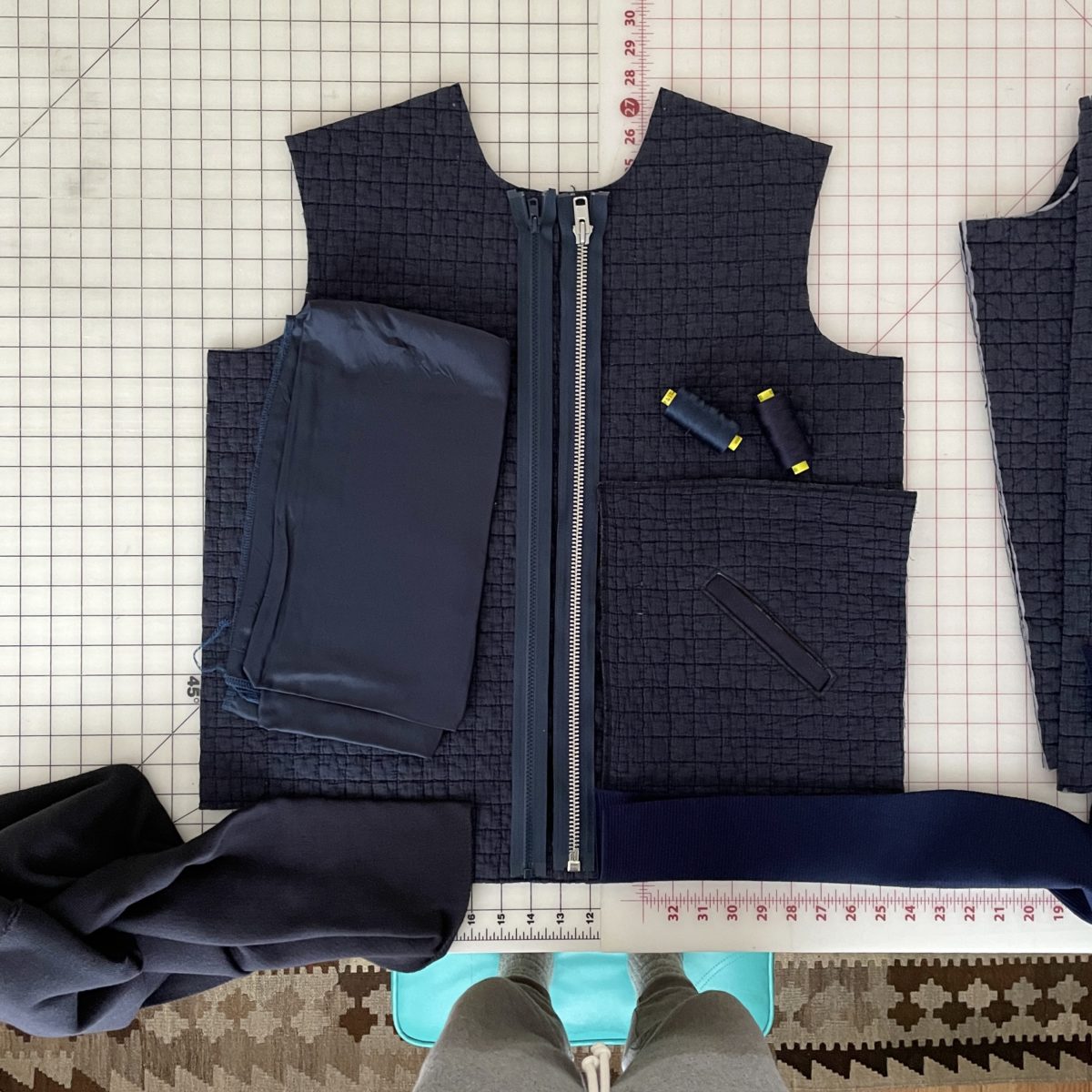
I had enough scraps leftover from cutting out the Ilford to make a sample welt pocket and it was easier and nicer looking than I thought. On the final jacket, I deviated from the instructions a bit by hiding all of the edge stitching in the ditch and omitting the bar tacks. I think they look pretty sharp.
After the successful welt pocket, it was time to source more materials and cut up the Ilford. I wasn’t sure there would be enough fabric since the pattern pieces have very different shapes, especially the sleeves. I was barely able to get two sleeves, two fronts, and the back out of it. But I did, and pattern matched too!
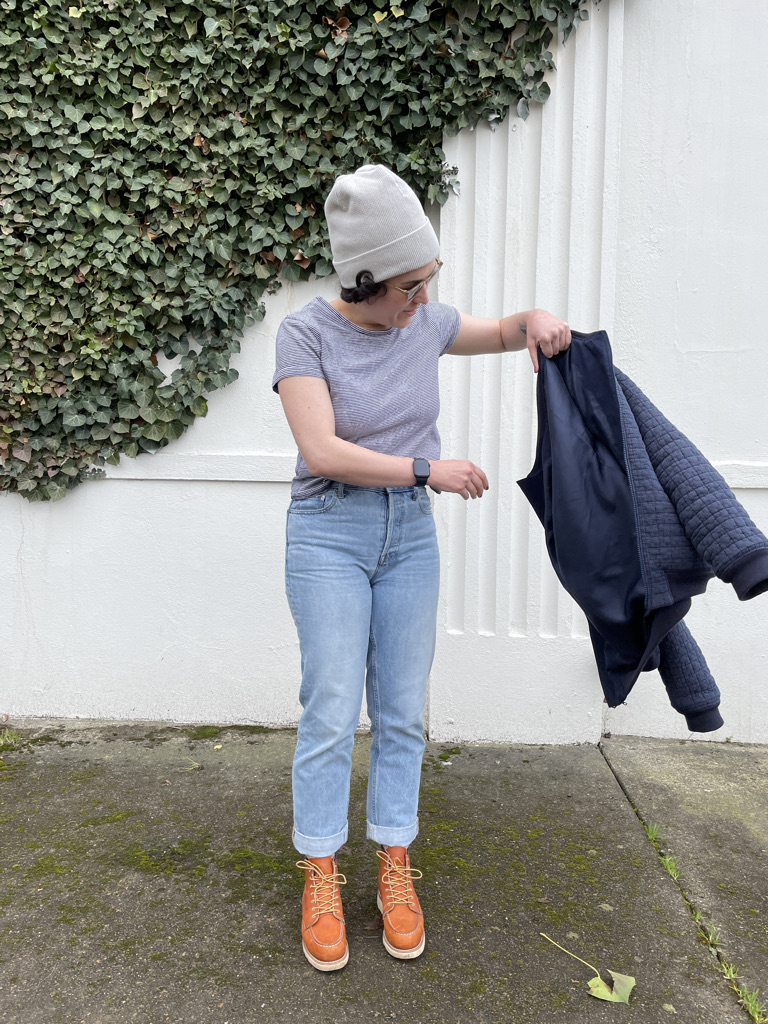
For the Ilford, I had purchased a small amount matching Kona cotton for the under collar and button plackets, but didn’t have enough for the Larkin facings, welts, and zip guard. I bought more Kona cotton in the color I thought I had originally purchased, but it’s definitely different. Dang dye lots.
The new color, which didn’t match as well, was used for the facings inside the jacket, and the old, better matching cotton was used for the welts and zip guard.
Sourcing matching ribbing, lining, and a zip wasn’t the easiest, but I think the subtle color differences are kinda nice. I bought a lot of multiples trying to get the best match. WAWAK was out of the color zip that looked most similar, but once most of the tape was hidden, the one I bought ended up blending in pretty well. I found the ribbing and lining at Mill End. The ribbing I chose isn’t quite as robust as the other one and it collapses a little bit, but sometimes you gotta make those trade offs.
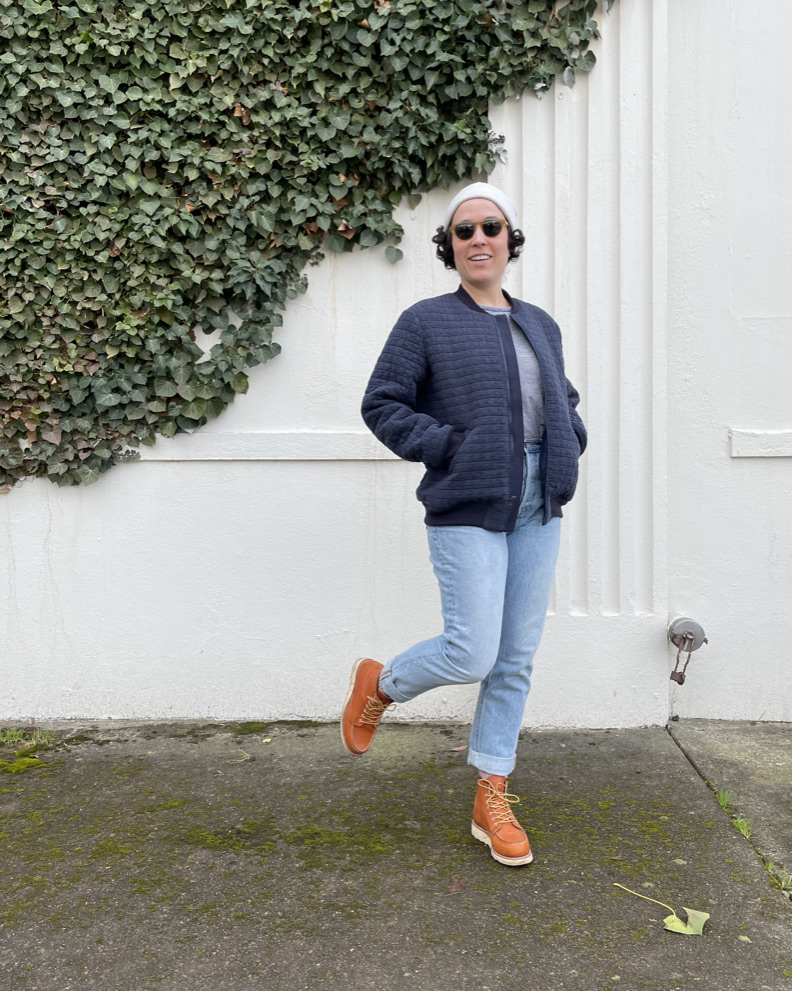
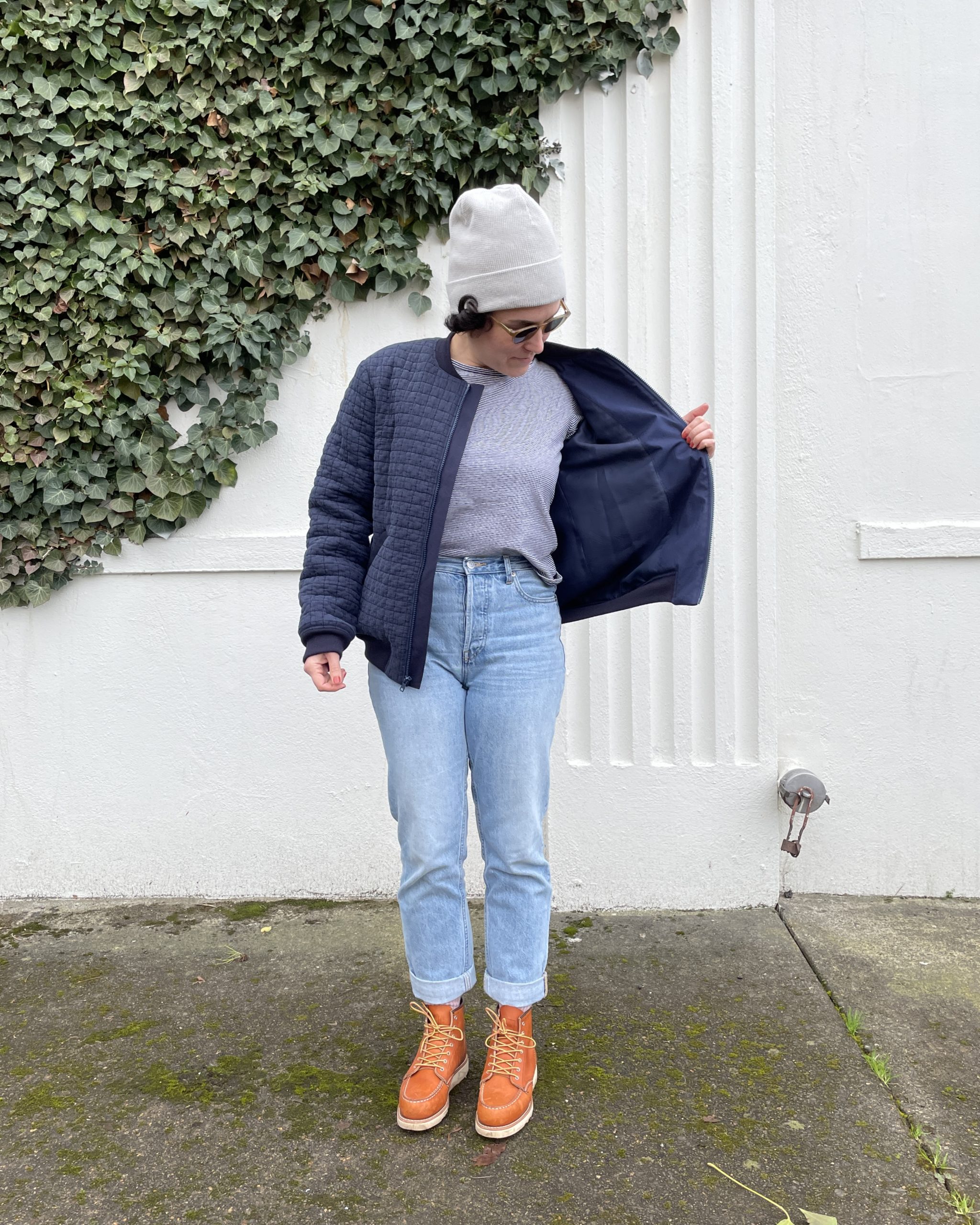
I made a straight size 8 with no modifications other than adding a little hang loop. Currently, my measurements are 38″ bust, 31-2″ waist, and 40″ hips.
Aside from the sleeves being a wee bit too long (what I get for rarely making a muslin), I’m super happy with this jacket! It was the perfect slow down project with some fun challenges from my funky fabric choice. I’ve worn it almost every day I leave the house and it’s a great mild winter layer.
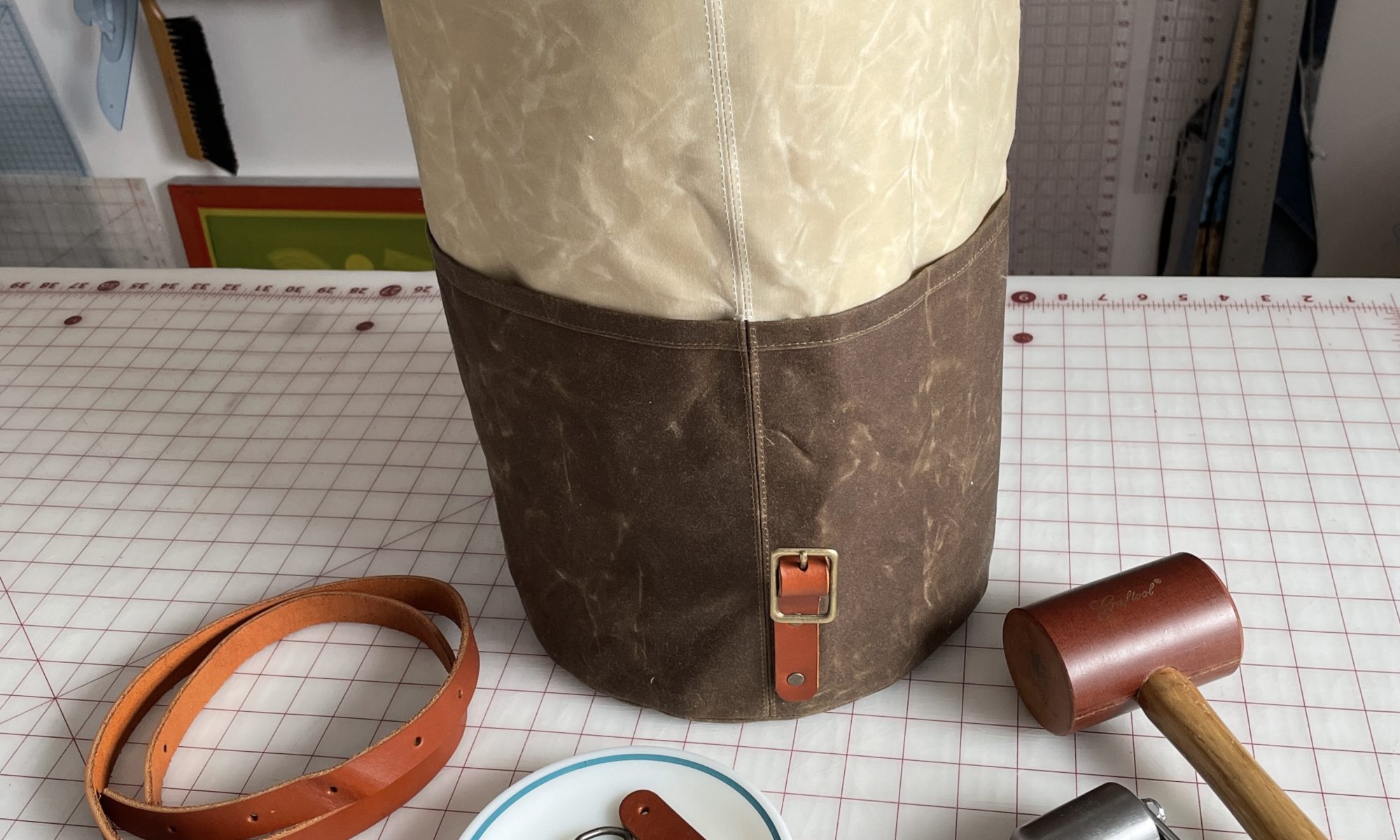
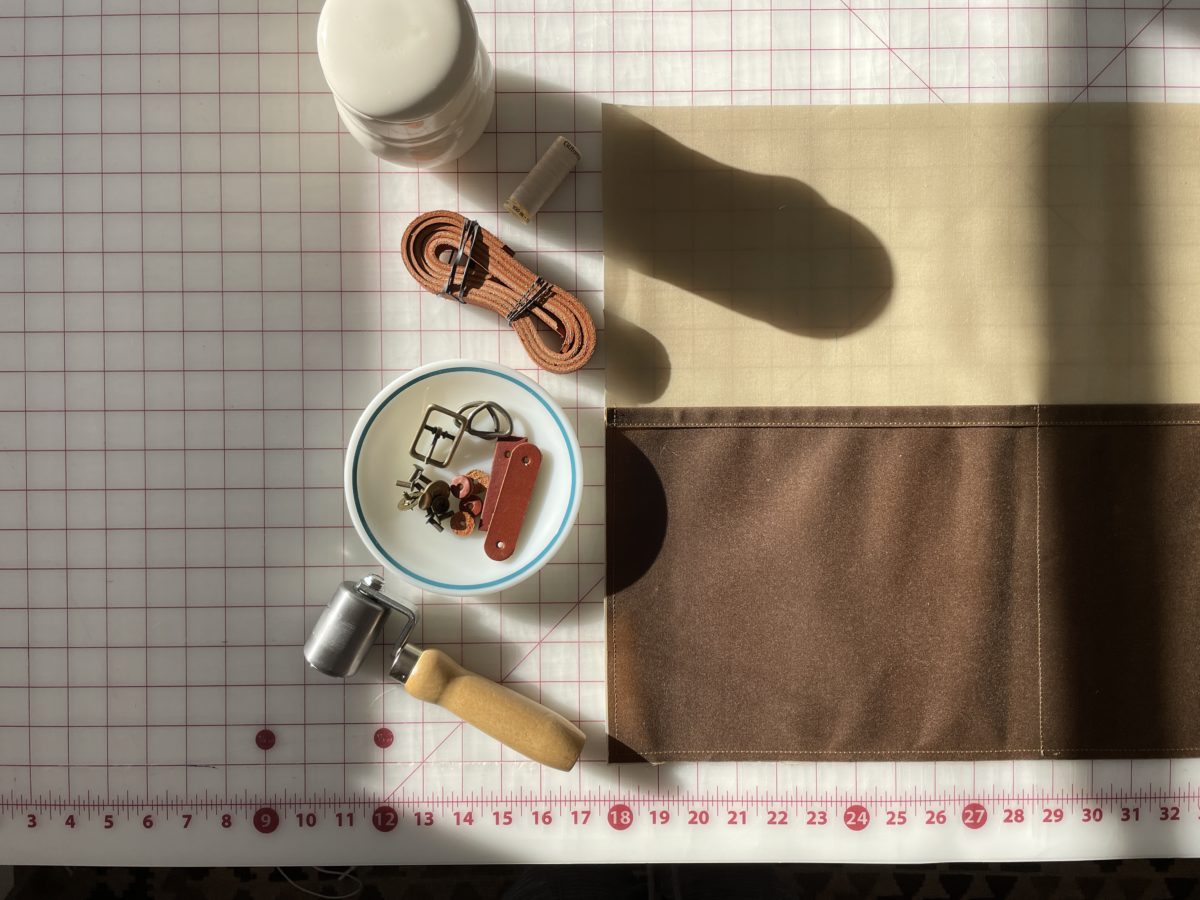
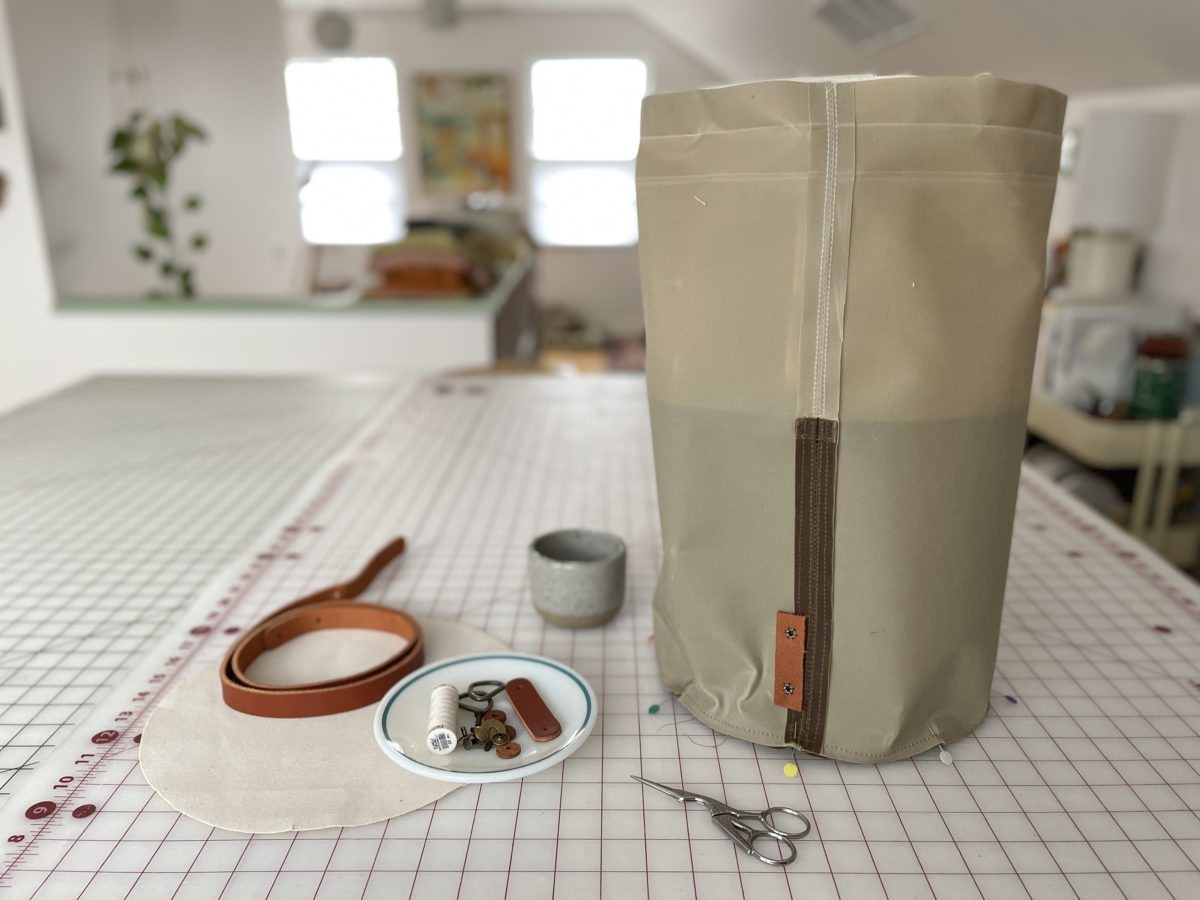
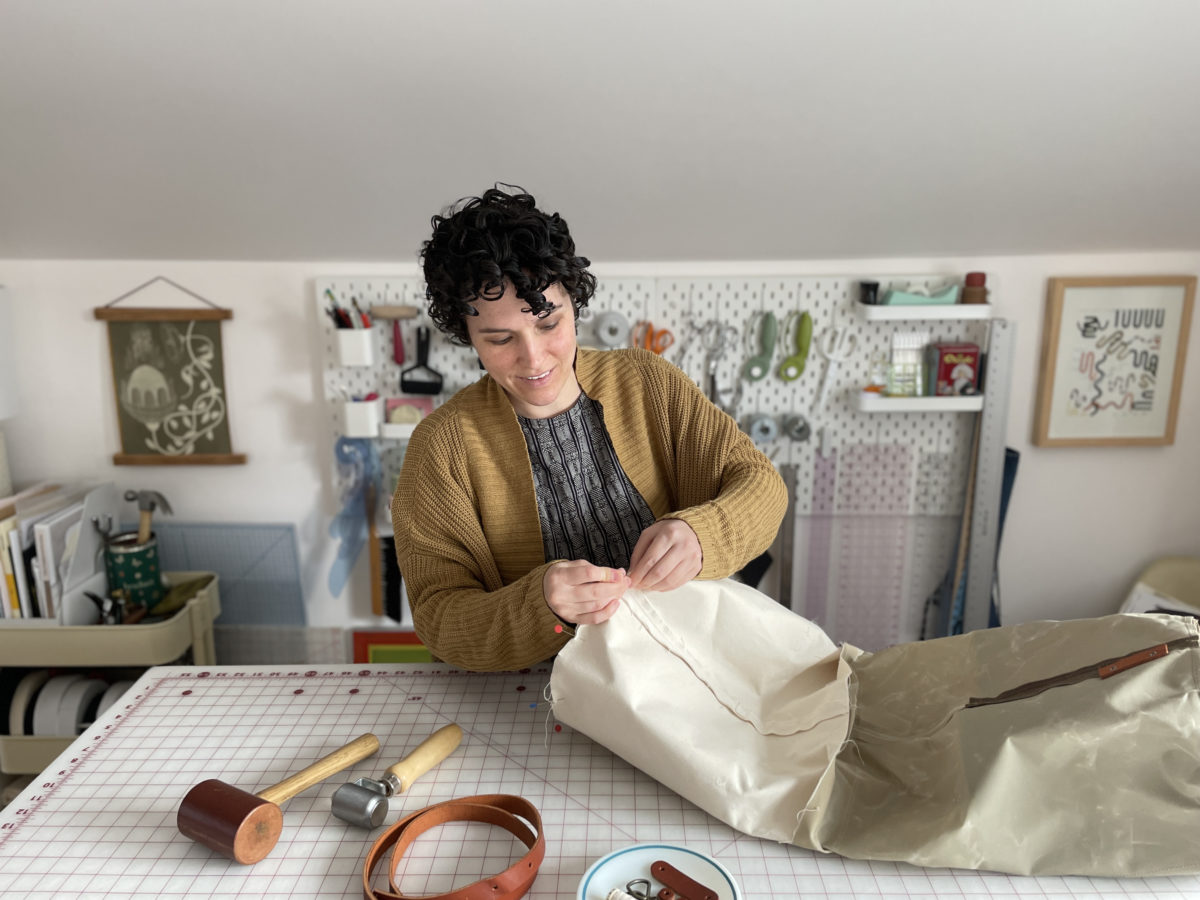
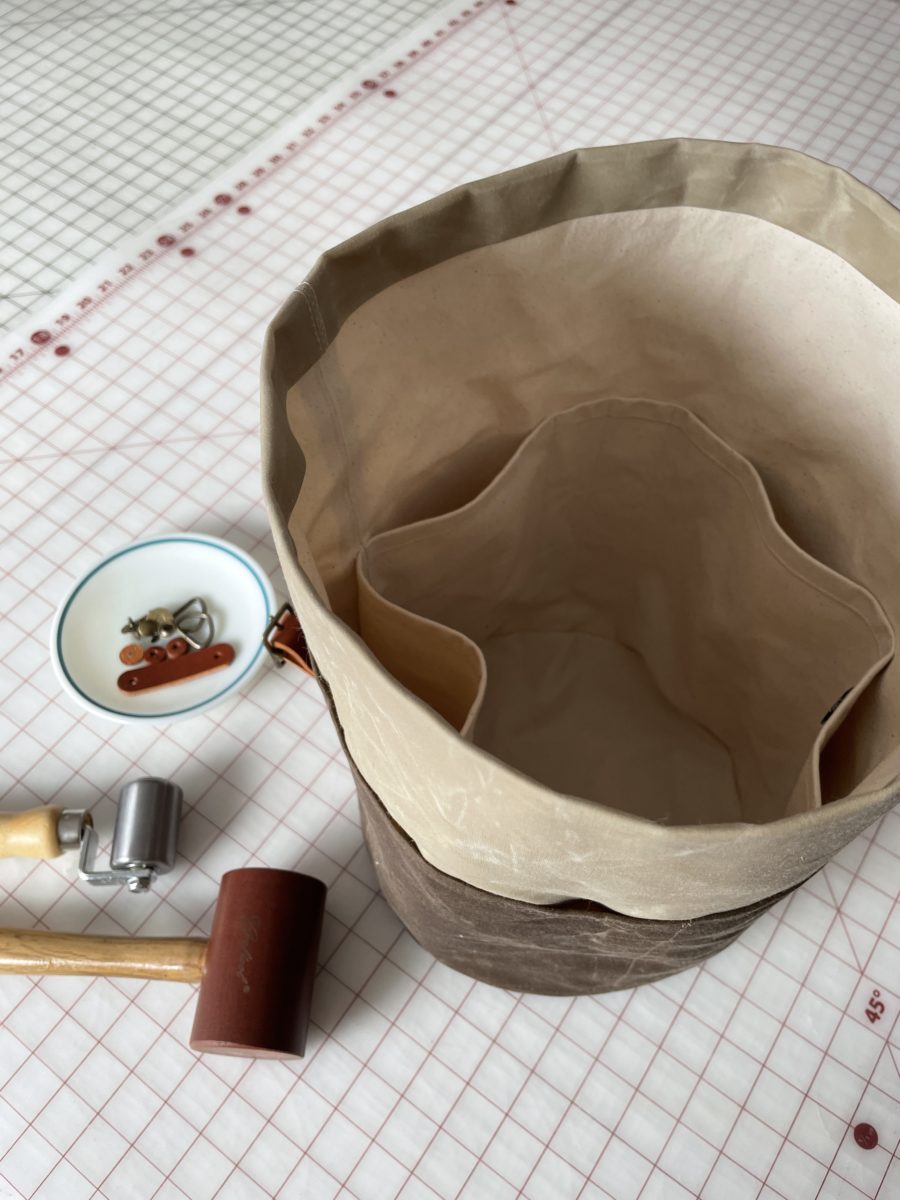
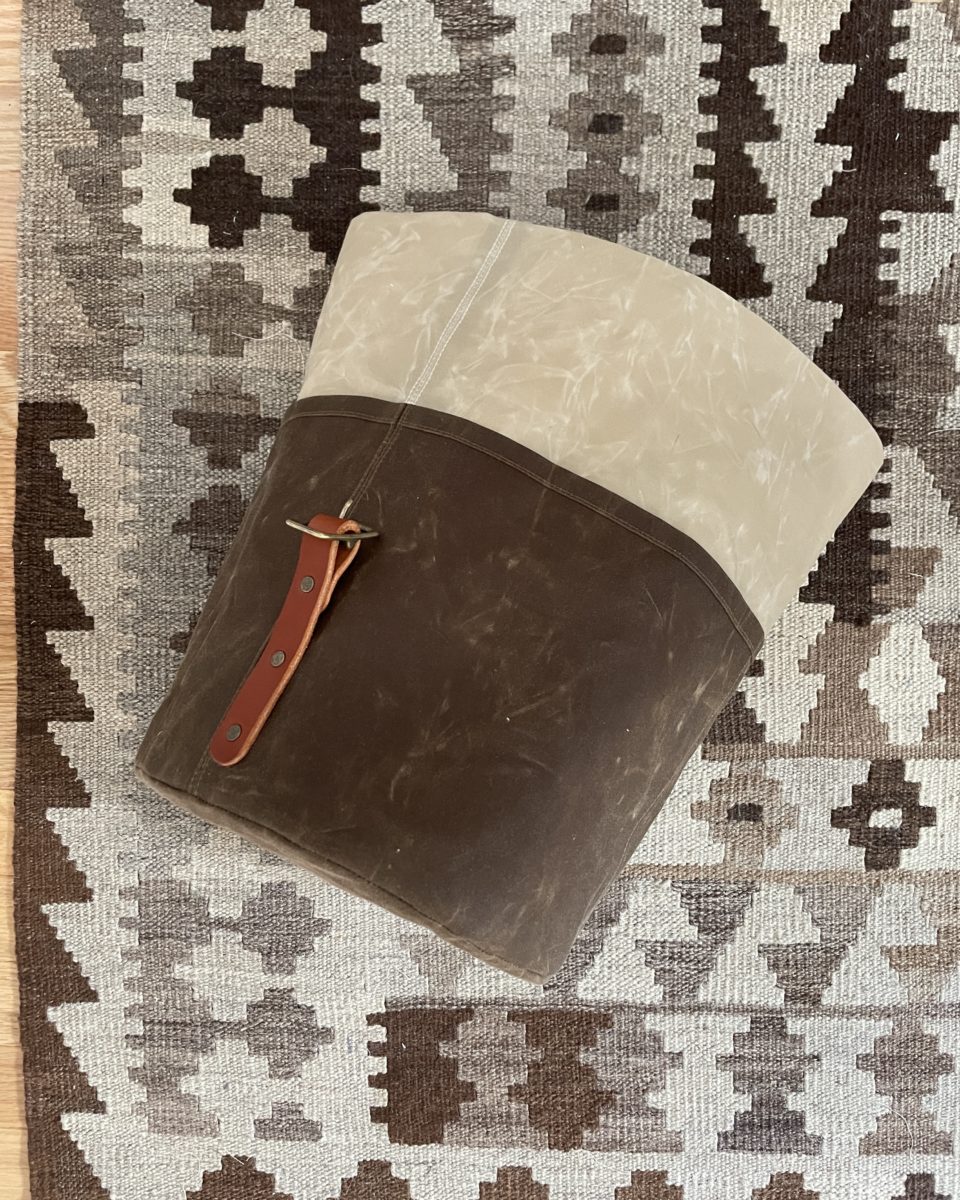
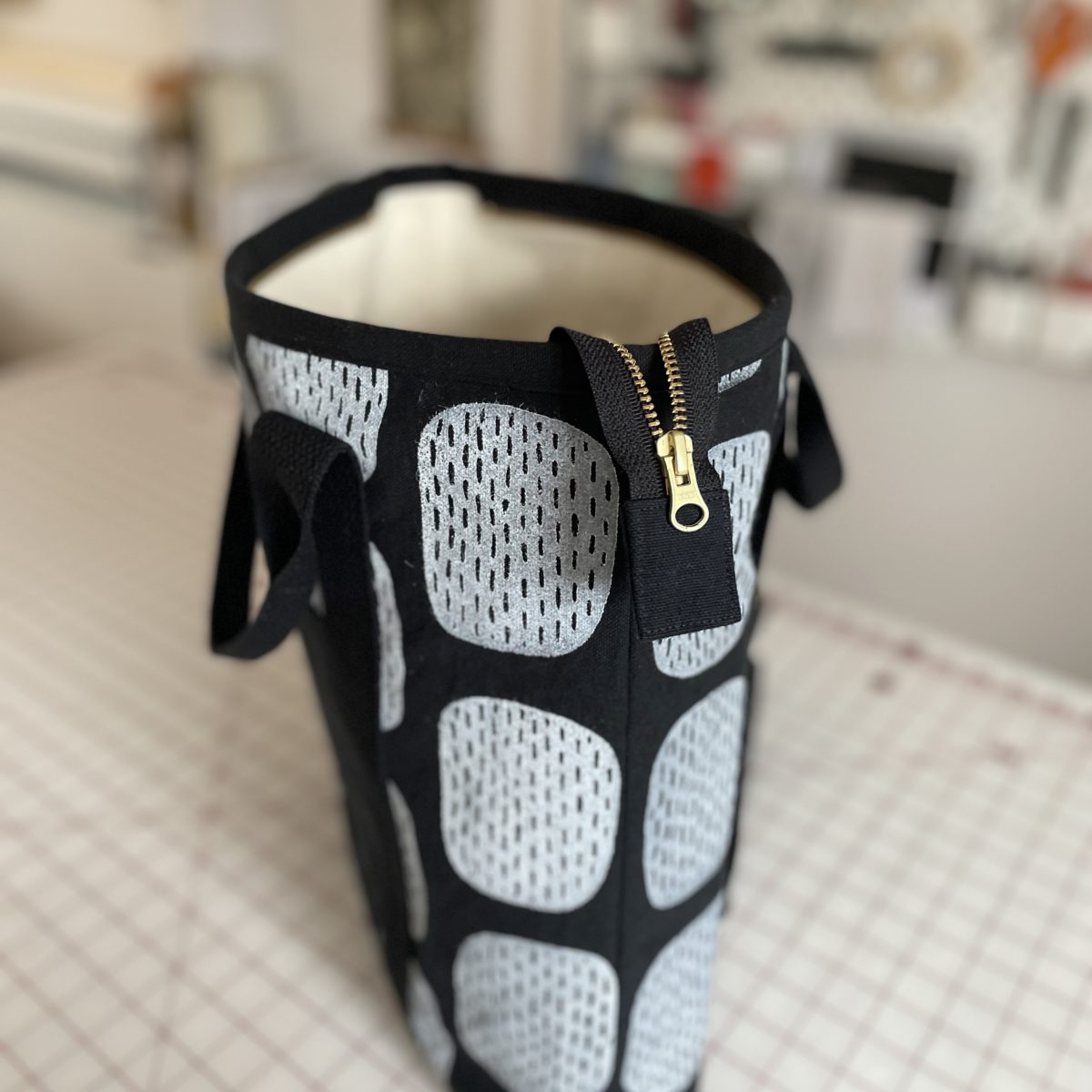
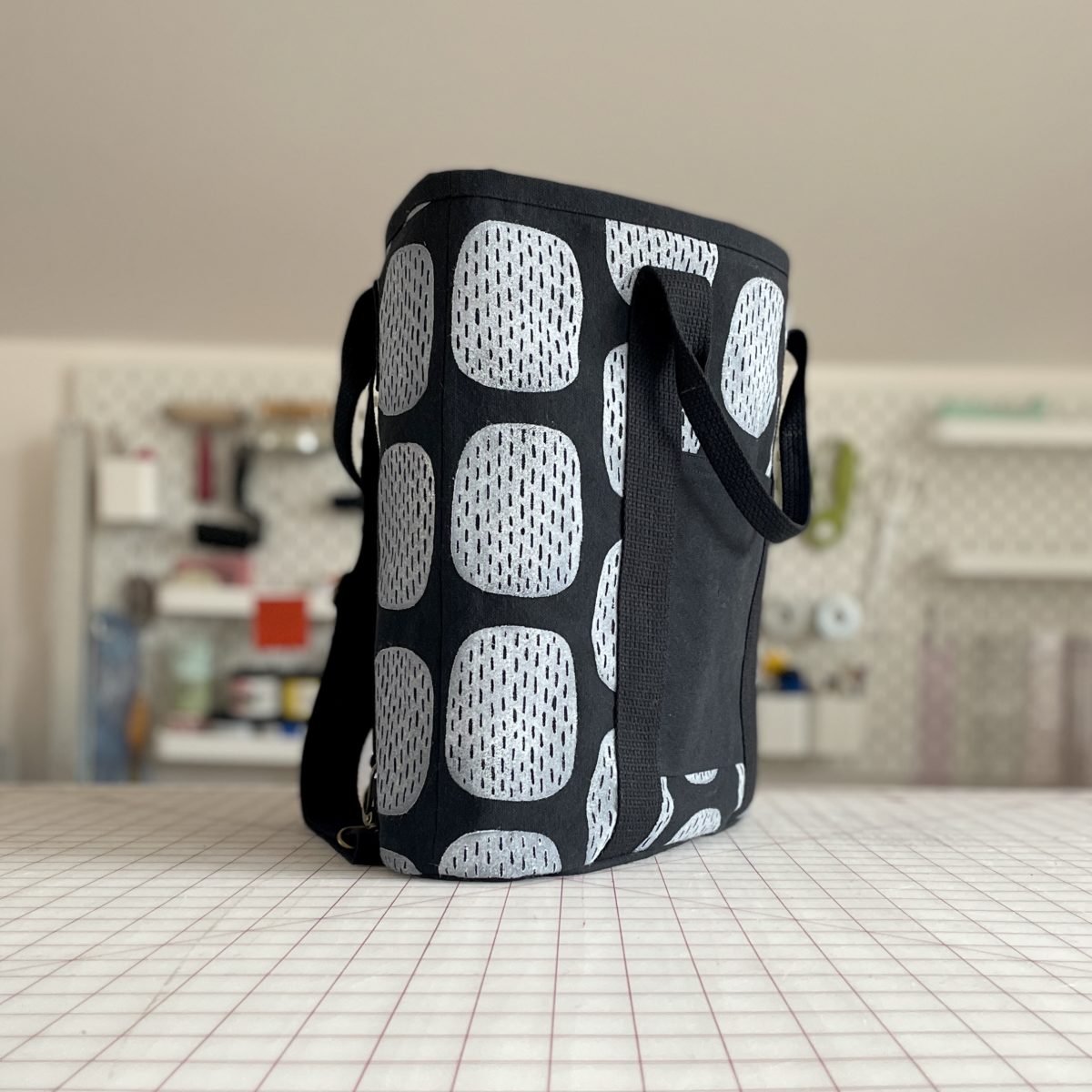
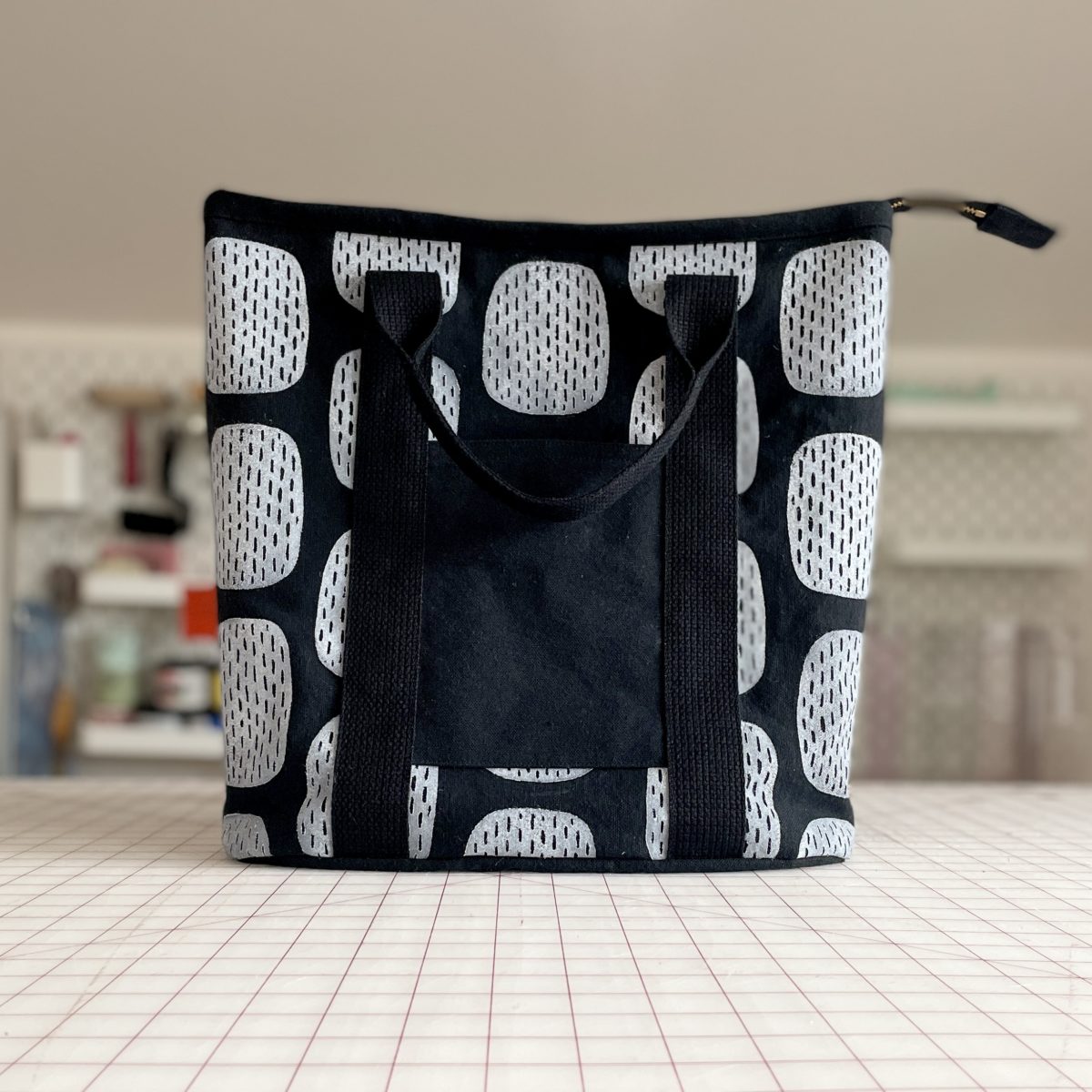
Klum House gifted me this Naito bucket bag kit shortly before its launch and I was super stoked to make it. Klum House creates the best bag making experience around, so anytime they launch a new pattern, I know I’m going to make it. I got as far as assembling the lining, took a break for dinner or something and the next day broke my wrist.
It sat partially constructed for two and a half months before my hand was strong enough to continue. My splint and cast were only on for a total of five weeks and I’m still shocked by how much muscle and range of motion I lost. Bodies are wild.
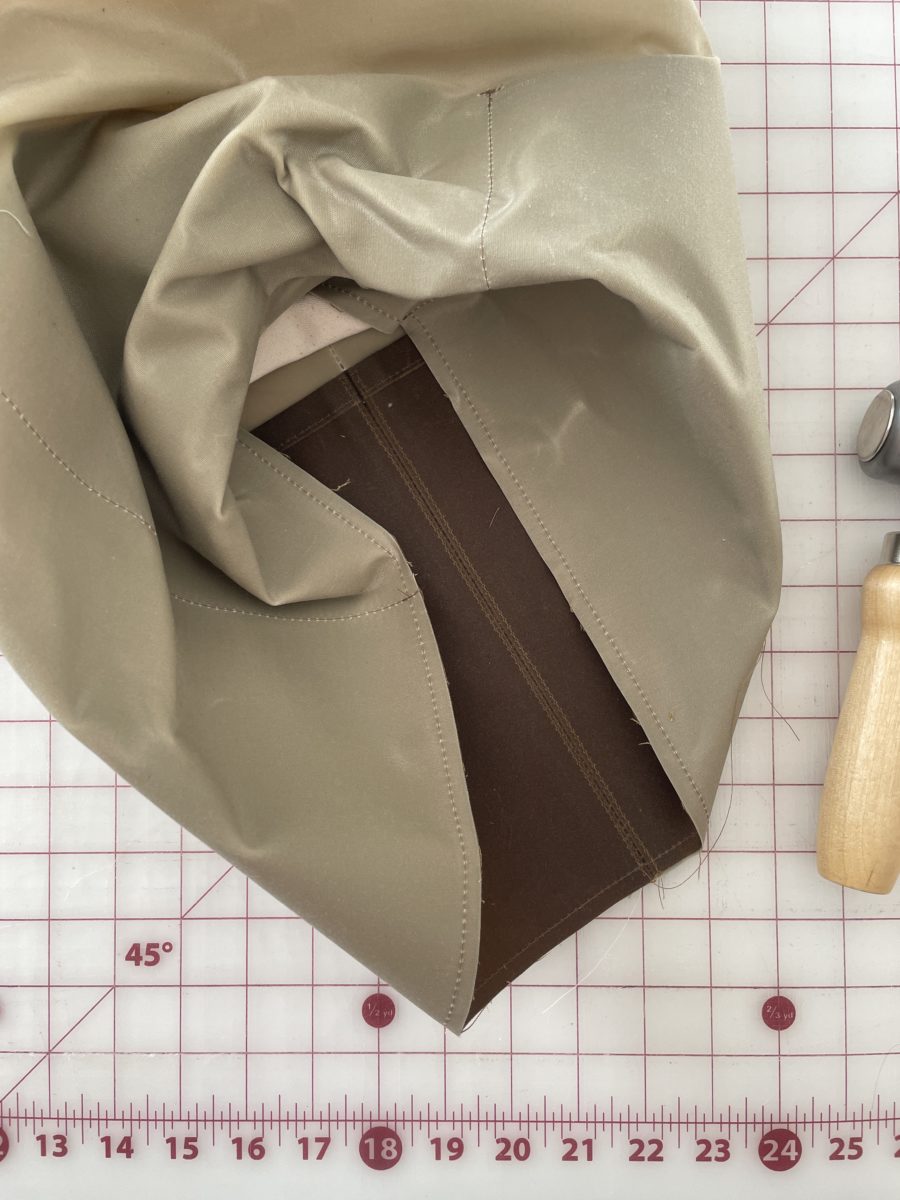
The Naito has a really clever construction. The lining is attached in such a clean and cool way. I always learn something new with a Klum House kit.
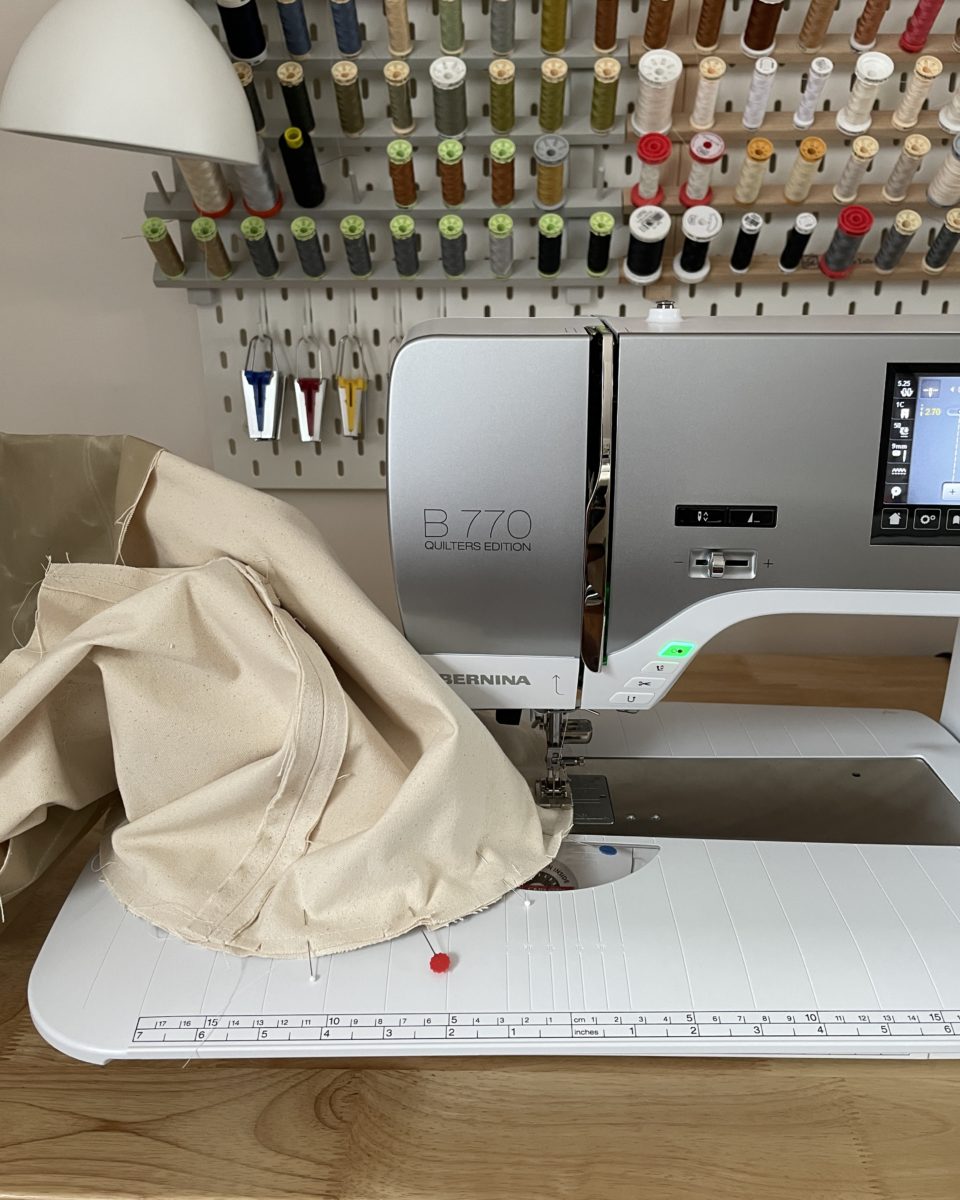
I’ve made a couple other bucket bag patterns before and attaching the circle base has always been unpleasant. I always had to make adjustments to the tube’s size to make it all line up. This base aligned perfectly and Ellie’s class demoed how to guide it through your machine.
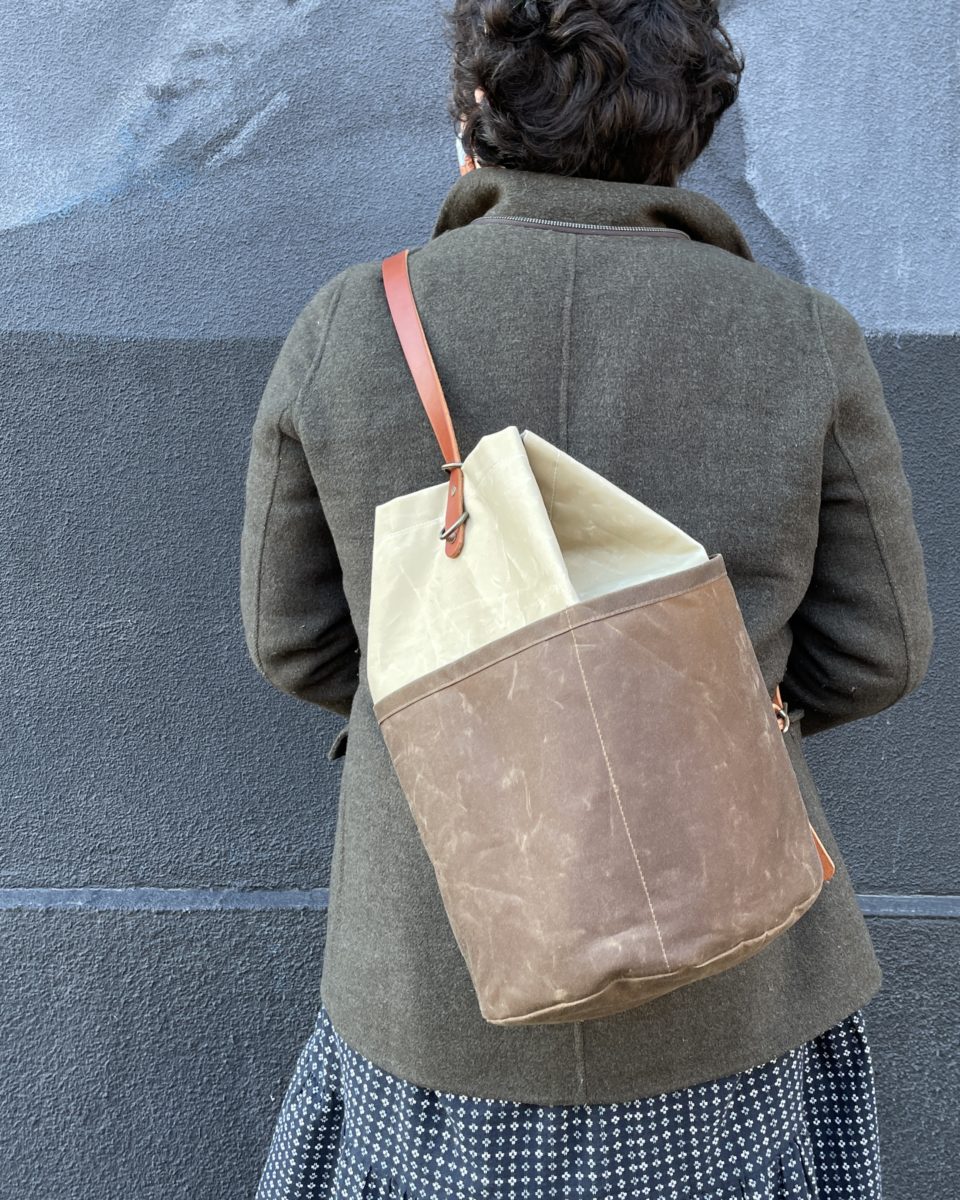
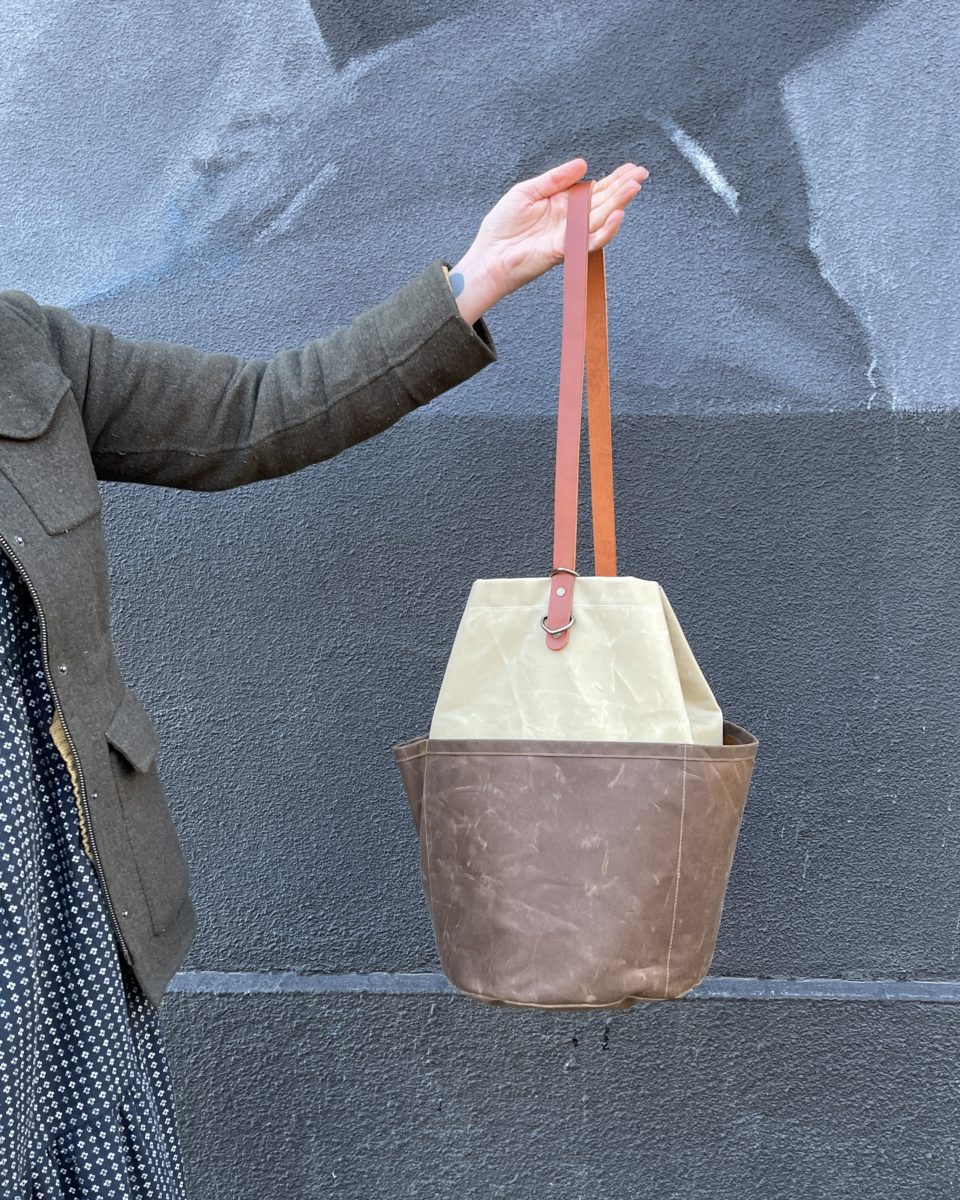
Look at all of those handy pockets! In the lining there are four large pockets, plus one for your phone and two pens. The exterior has three large pockets and a d-ring for your keys. The coolest part is how the adjustable strap can be used as either a sling or a tote. The body cinches closed with a magnetic snap and the strap.
I chose the Bone + Field Tan colorway. If you sign up for the Klum House newsletter, you’ll be able to take 20% off everything in the online shop from from November 26 – 29, 2021!
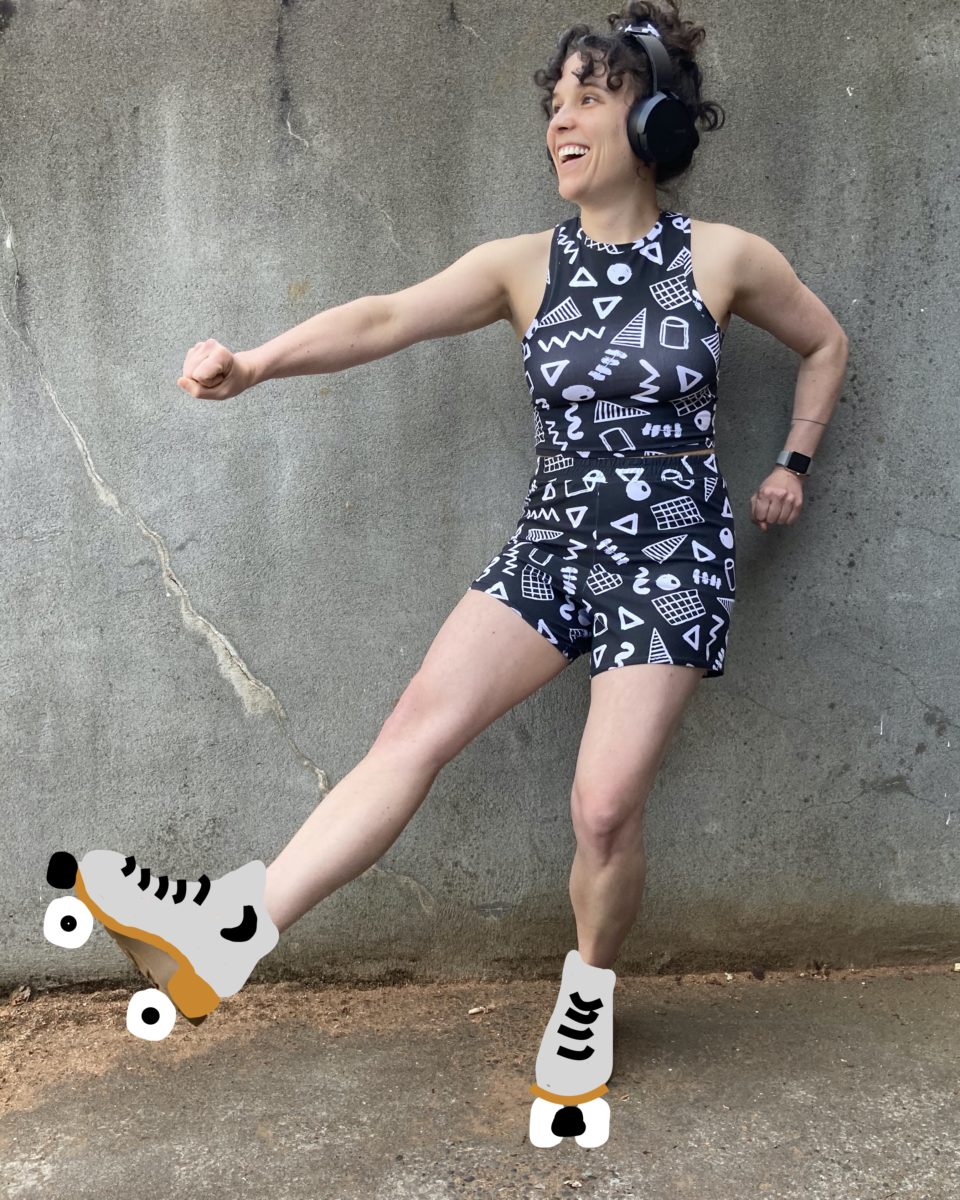
I made this skating outfit shortly after ordering a pair of Moon Boots from Moonlight in 2020. It’s the Axis tank by Sophie Hines and the Summer shorts by Sew DIY. The fabric is from Spoonflower and I kinda hate it.
I didn’t quite get the fit right on the shorts, but I also think the fit is meant to be cheeky and that’s definitely not what I’m into when it comes to shorts. I’m a full-coverage gal, especially when exercising. I lengthened the pattern attempting to get more fabric over my butt, but it all pools under the waistband.
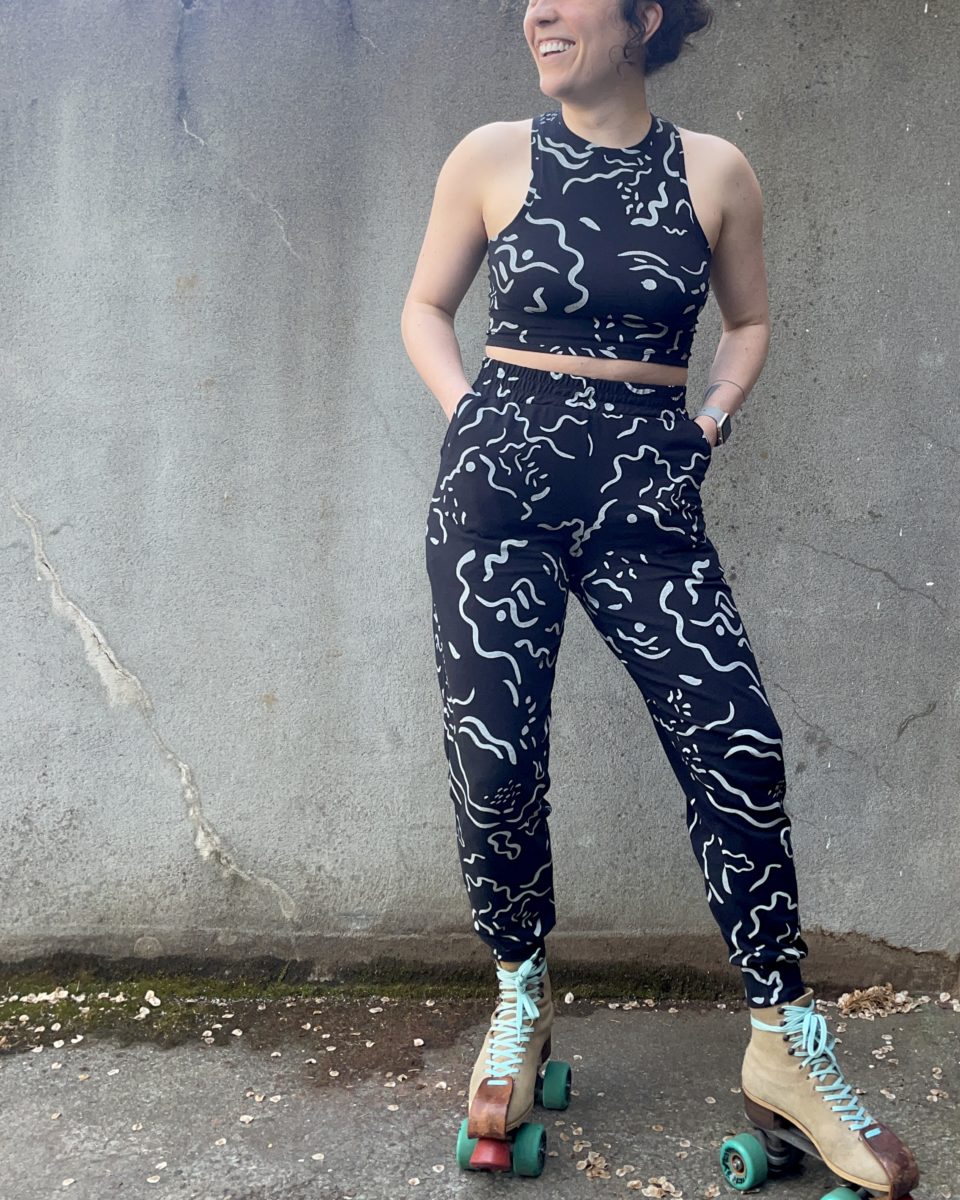
I made this skate ensemble at the beginning of May. It’s another Axis tank (it’s truly an excellent pattern) and a pair of Seamwork Mel joggers. For the joggers, I shortened the legs by 2″, added 1″ to the cuff length, and omitted the drawstring. I thought about testing out using a chain stitch (coverstitch) for the waistband, but chickened out and went with a zigzag. I’m pretty sure it would have worked. The fabric is a screen printed cotton jersey from North of West‘s warehouse sale.
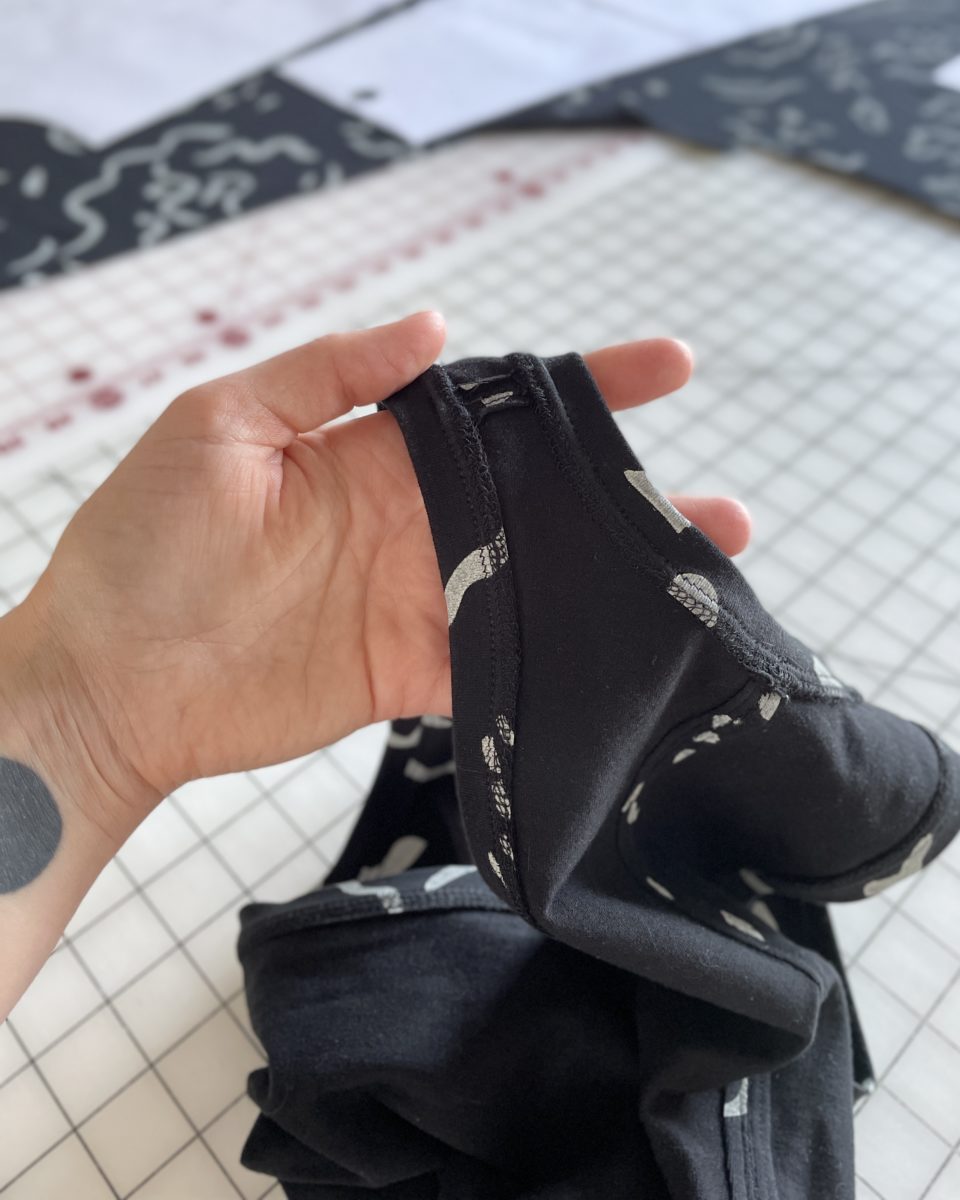
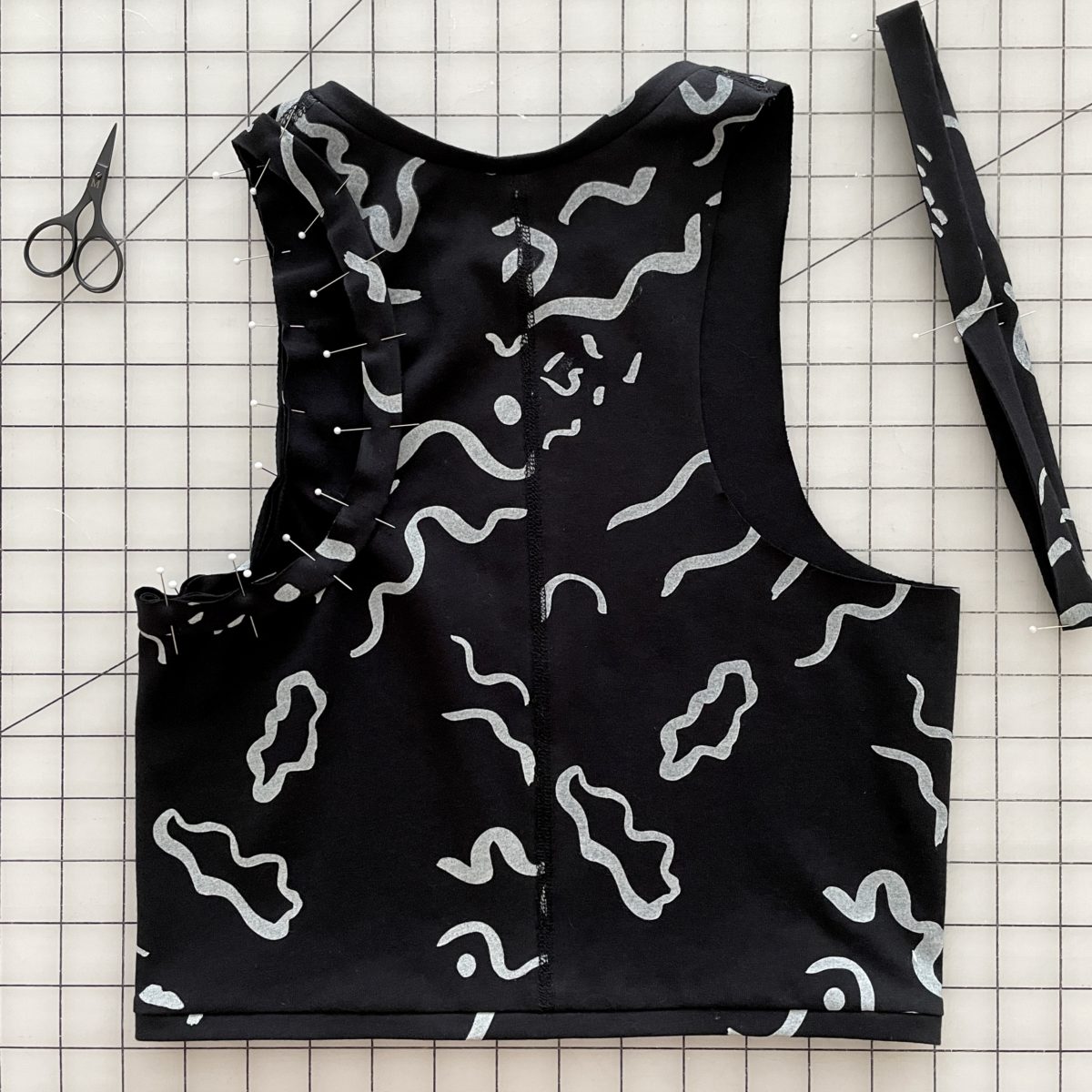
I didn’t use my serger at all when constructing this Axis tank. I used the lightning stitch on my regular sewing machine for the back and shoulder seams, then reverse coverstitched them. I pressed the seam allowances open, but think I should press them to one side next time I use this construction method. The bands were also attached with the lightning stitch, then I used the narrow double needle coverstitch to topstitch in place.
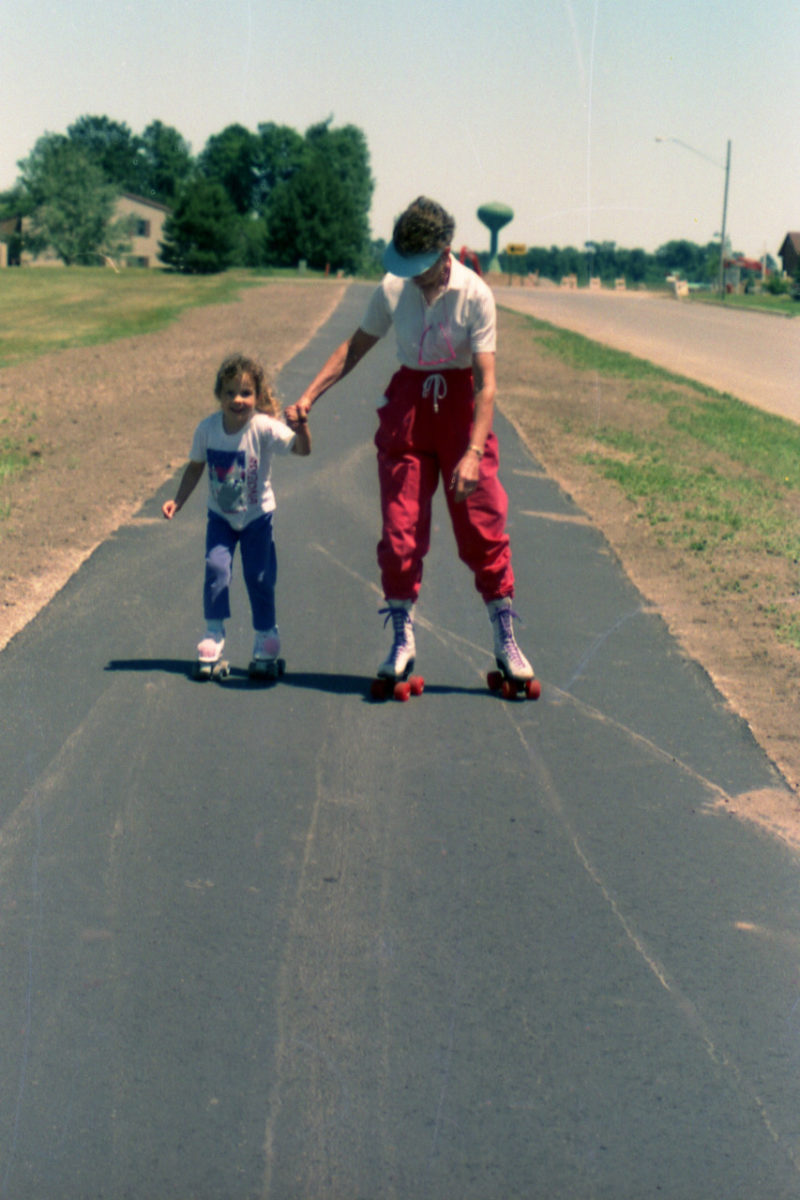
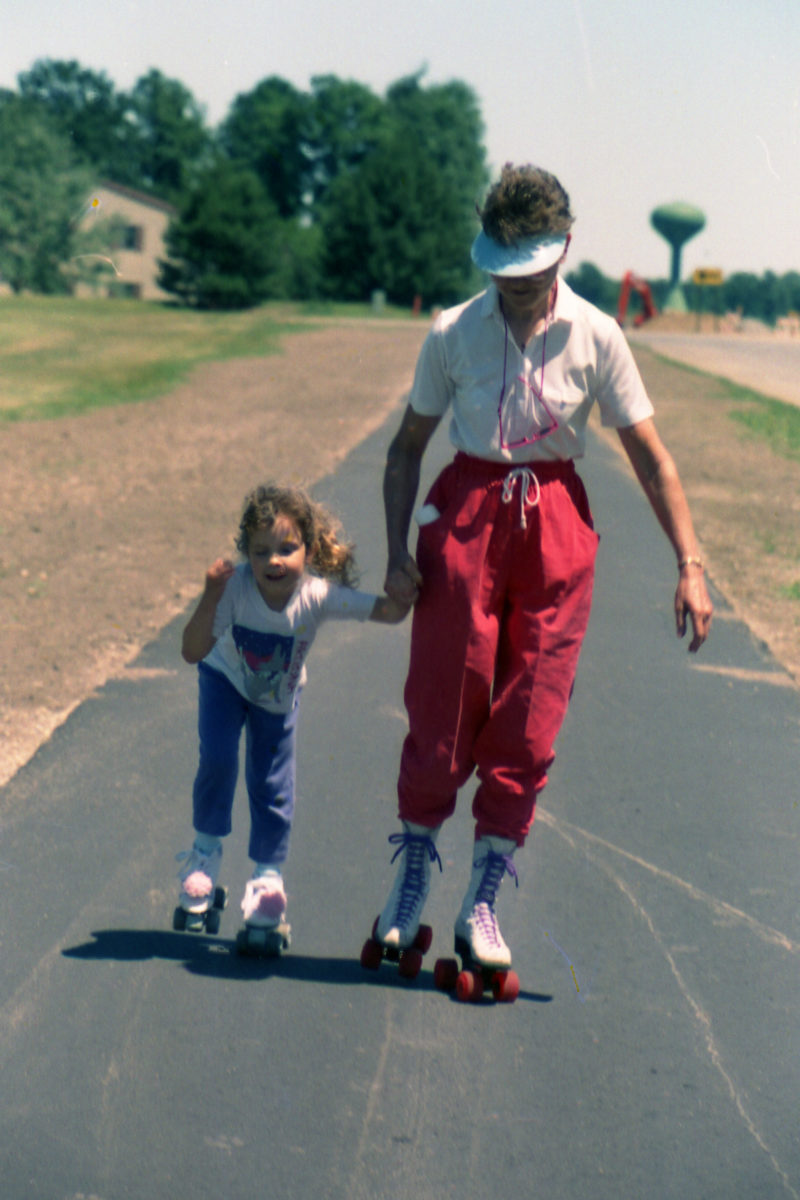
Here’s baby me with my grandma who’s the reason I have any balance on, or interest in quad skates. She also made the pink pom poms on my skates.
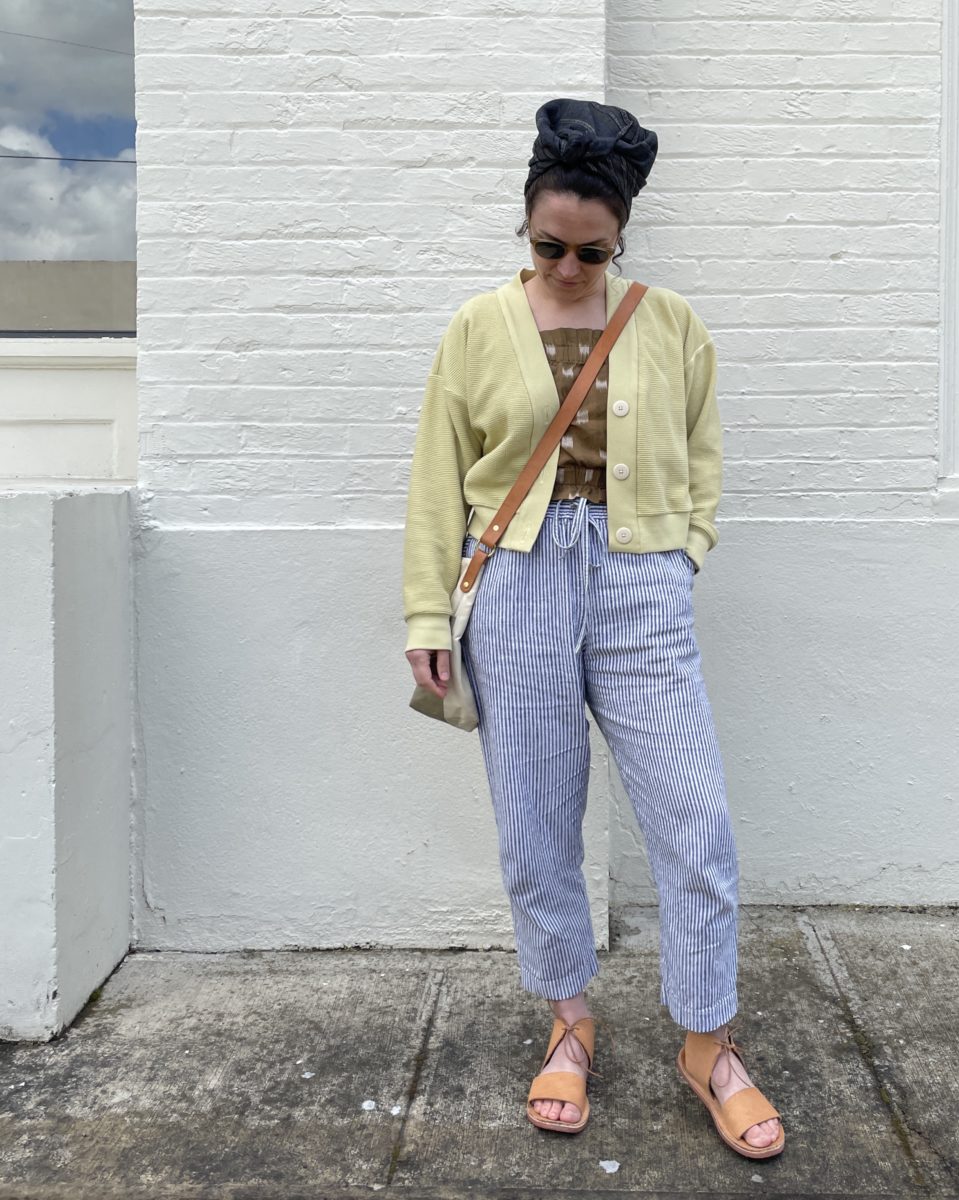
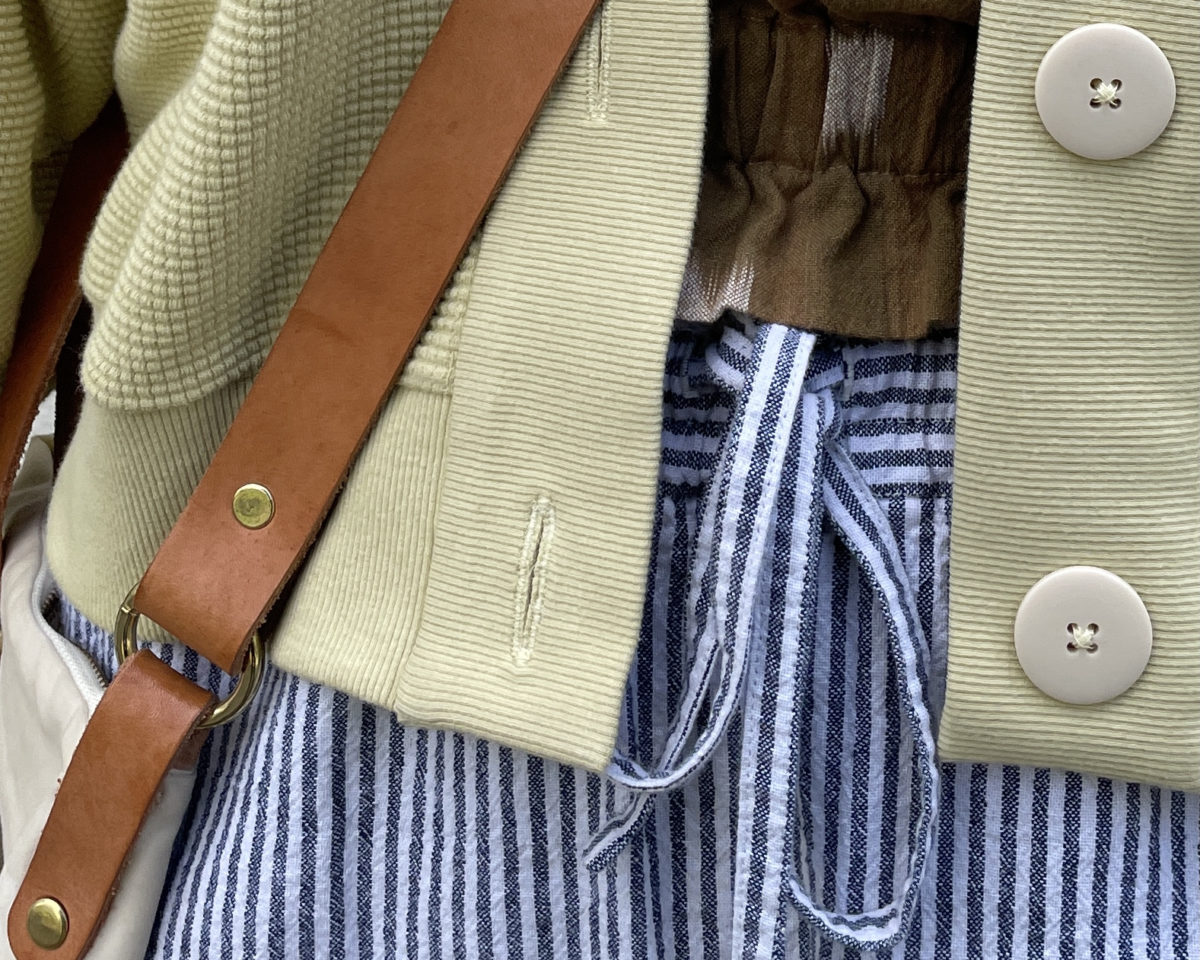
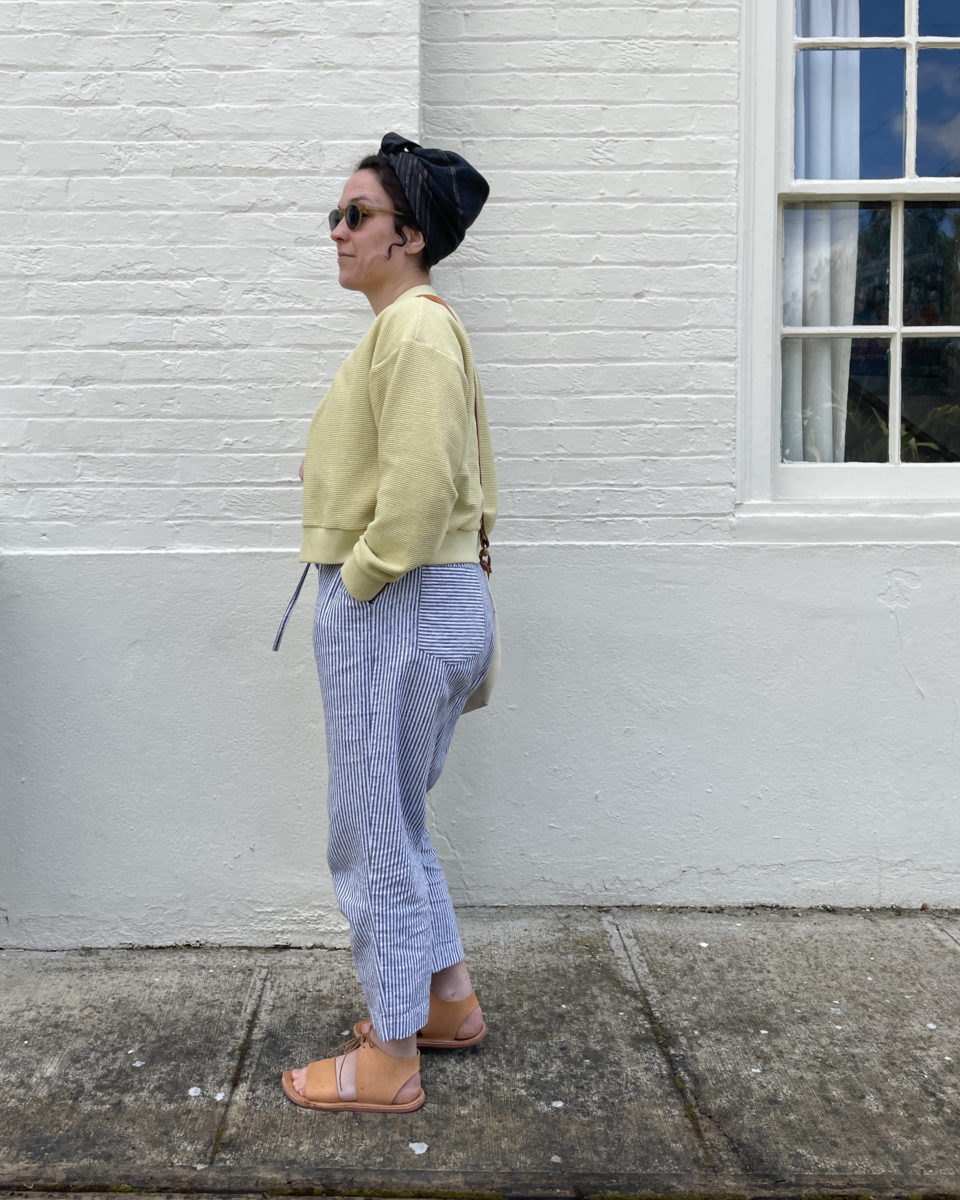
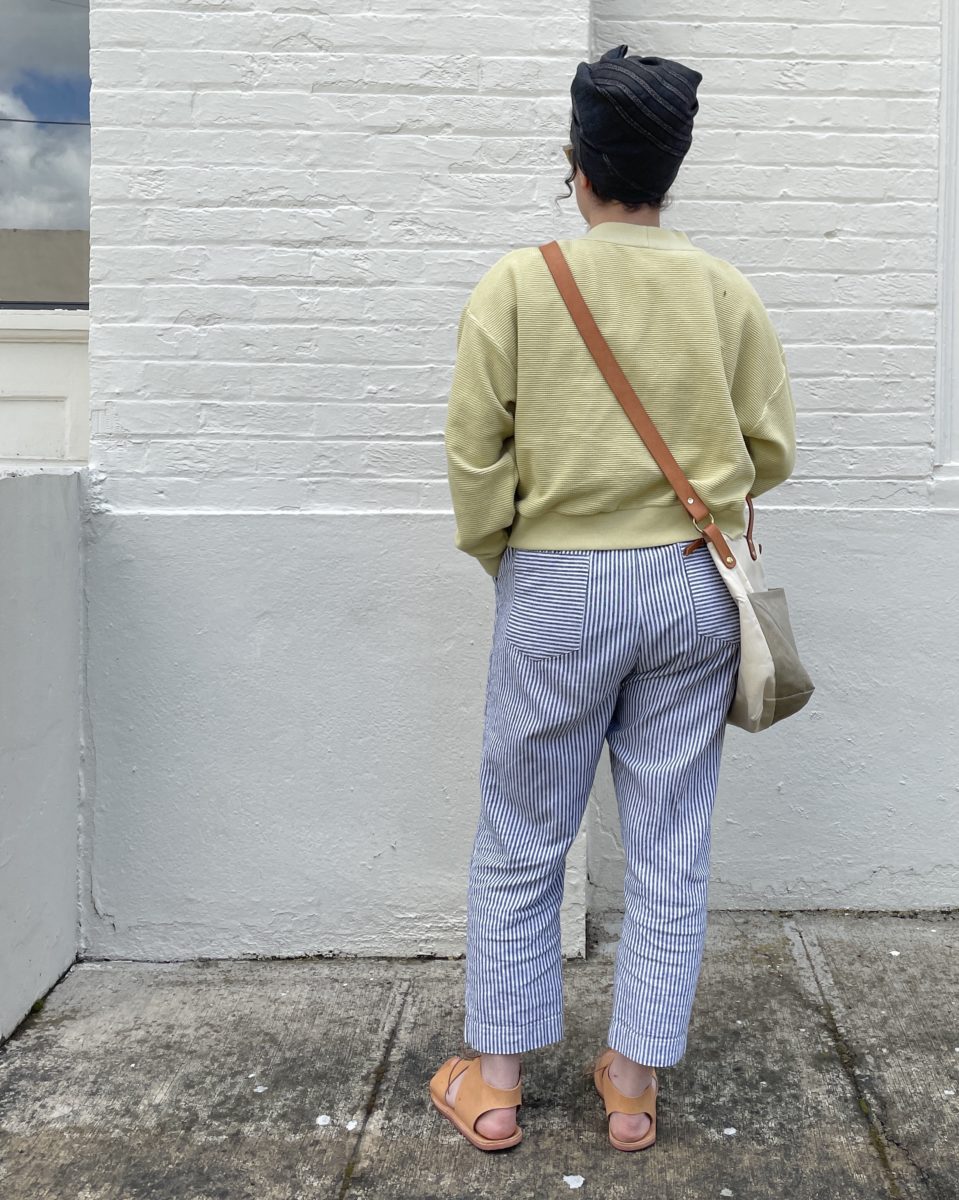
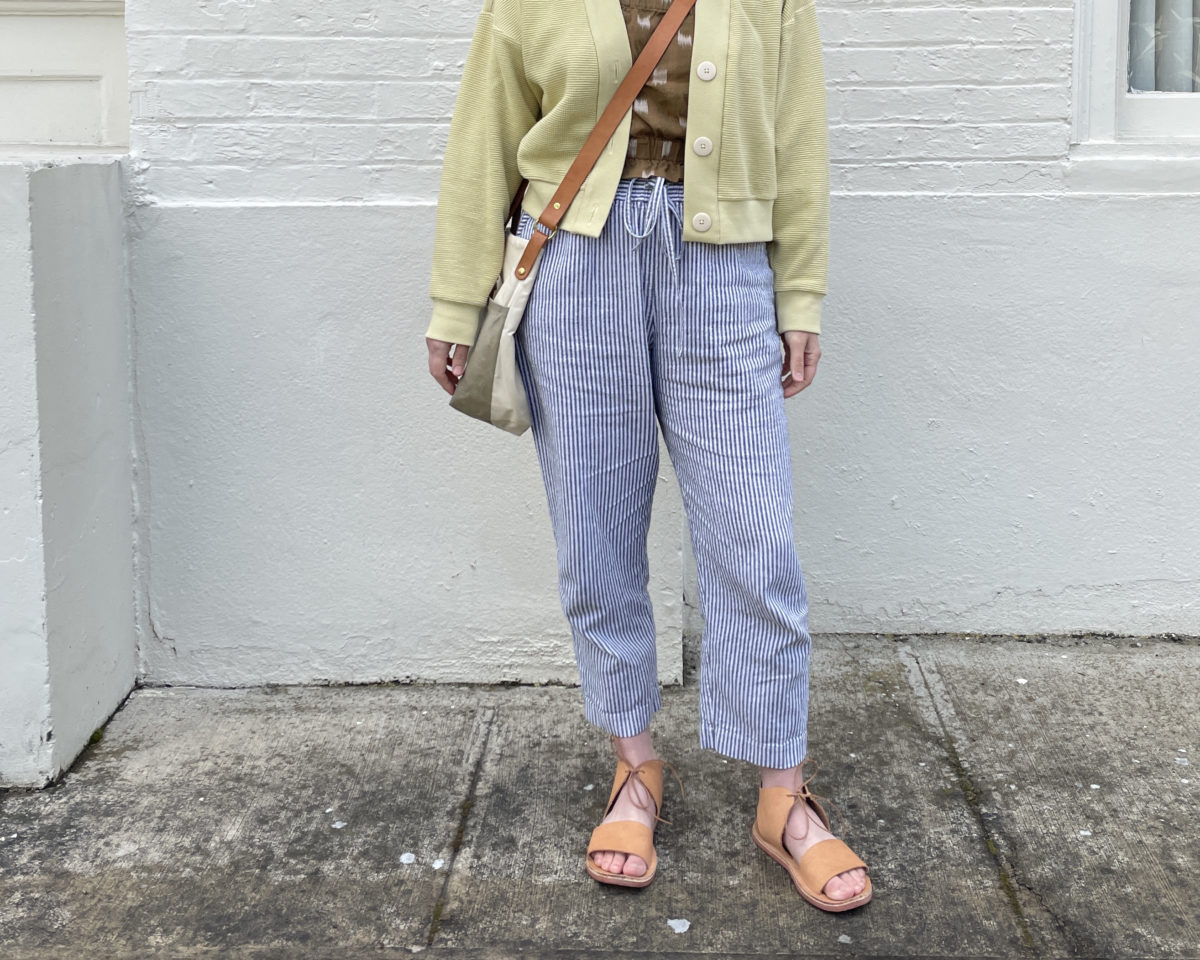
You know those makes that you want to wear every single day? The Marlo Sweater is definitely one of those makes.
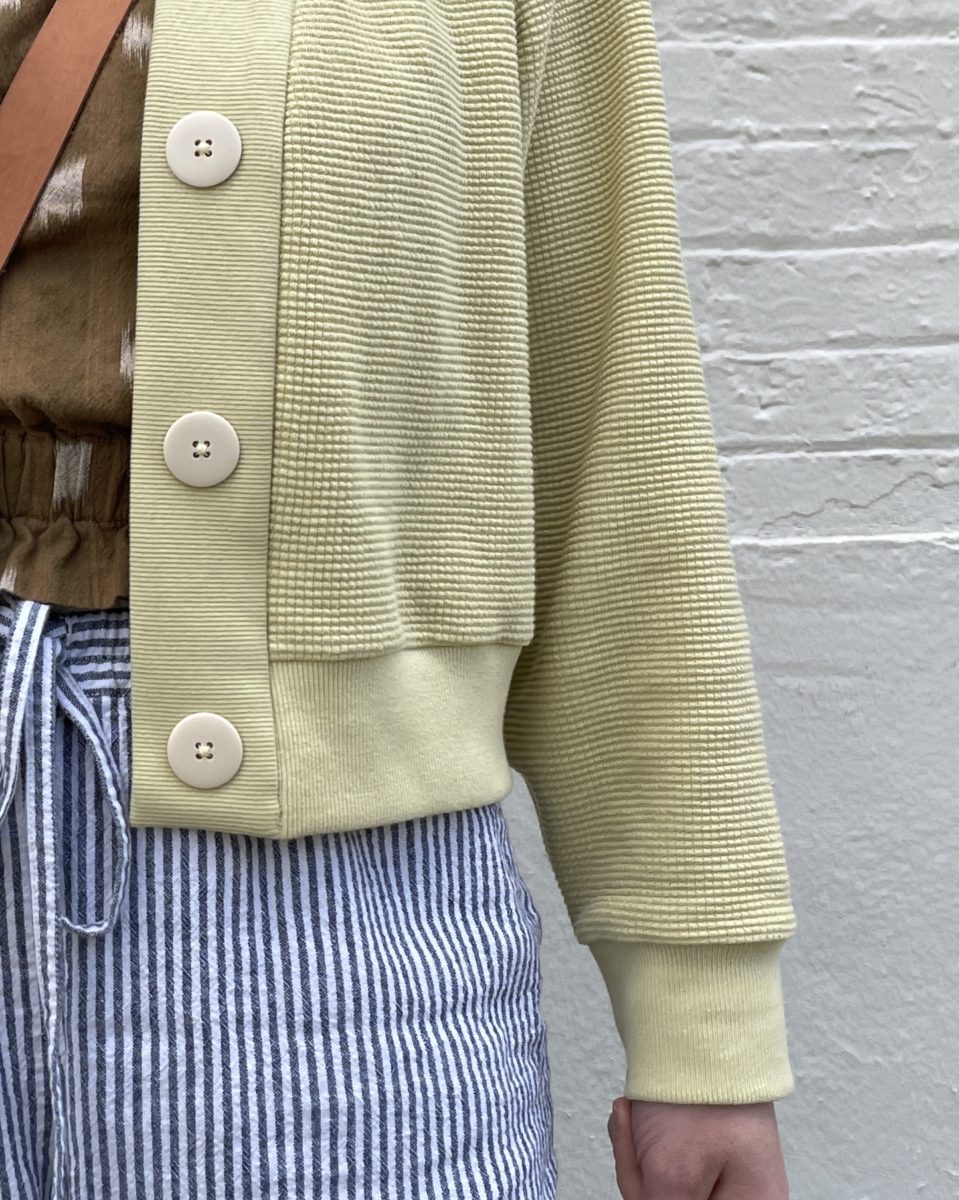
This waffle knit and matching ribbing are an absolute dream. The color is “Mellow” and I think it goes with everything! These buttons are from a Tub-O-Buttons in my former classroom. My students thought they were too basic for their projects. The only thing I changed up about the construction was stitching the neckband in the ditch with a lightning stitch.
My auto-buttonhole foot got stuck on the bottom buttonhole – I wasn’t following my no buttonholes after 9pm rule. The manual buttonhole process on my 770 appears to be different from my 530, and instead of sitting down with the manual, I just made a really weird franken-buttonhole. I’m curious to see how it’ll hold up with wear.
I made a straight size 6 without an mods. Since the ribbing is really stretchy, I cut the neckband using the 40%+ stretch pattern piece. I’m already making another Marlo out the same waffle knit and matching ribbing, but in the colorway “Rose Clay.”
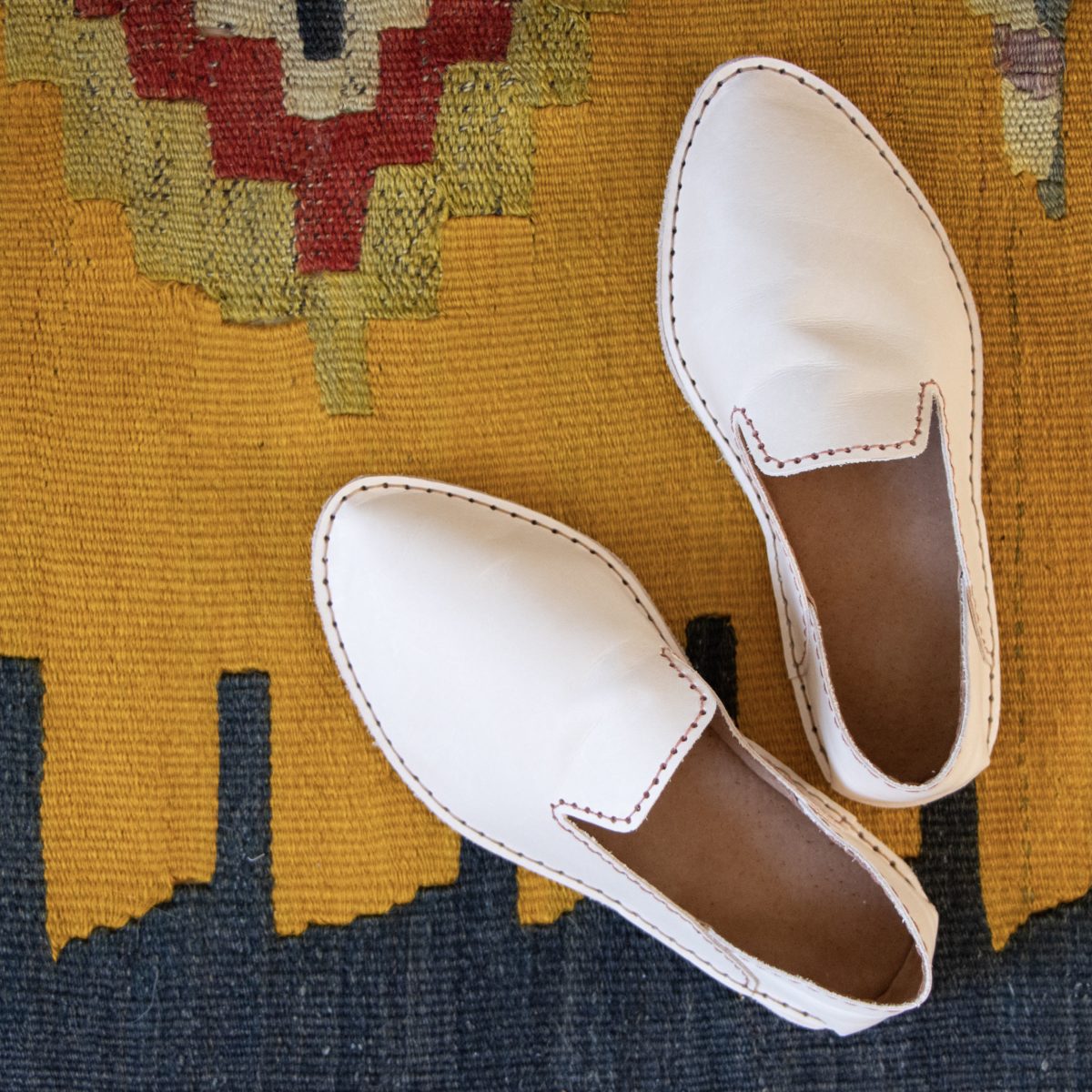
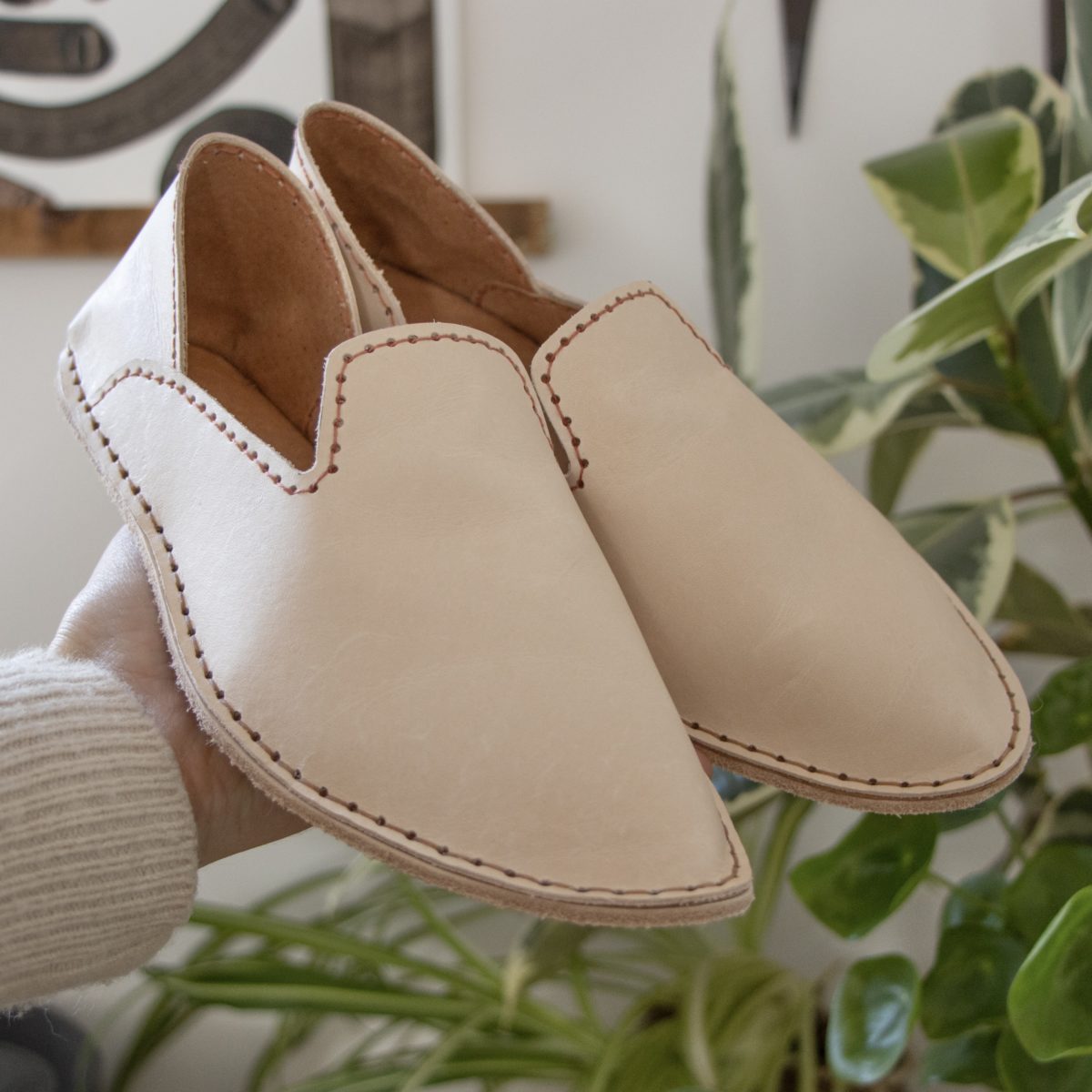
I made this pair of ‘sewing slippers’ for work at the end of February and I can’t stop wearing them – they’re the perfect house shoe! Check out the Seamwork article here and watch my project diary video below:
I made a size 6 (regular shoe size) and they fit perfectly. The veg tanned leather is going to get that perfect leather patina too.
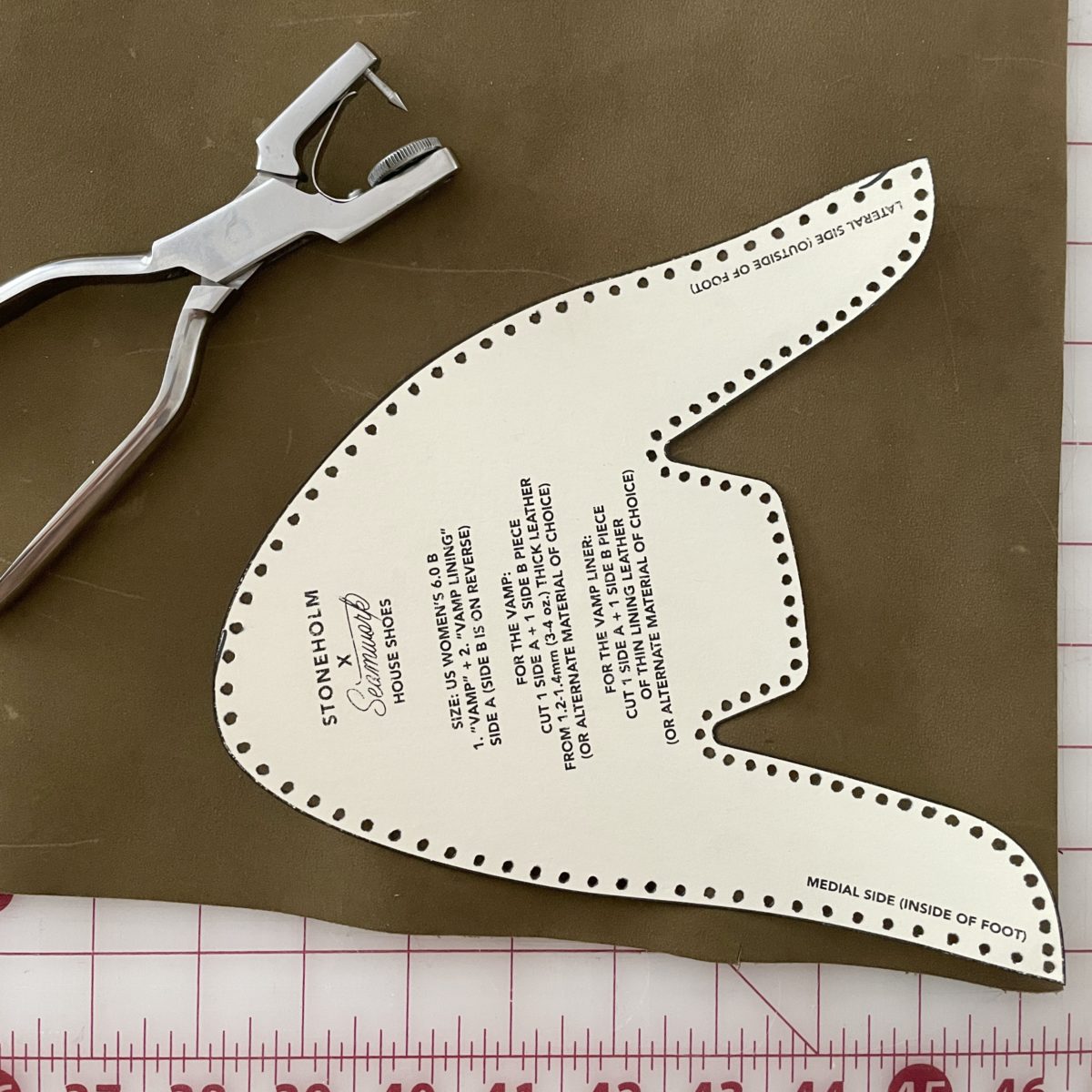
I have some olive green leather in my stash that I might have enough of to make another pair and I now have the recommended leather punch (pictured below).
December is usually the time of year I get to see my parents. I skipped the trip home in 2019 because I had recently flown home to attend a funeral and had just moved. In hindsight, I sure wish I’d gone home.
I’m not usually a handmade gift giver, but 2020 felt very different, so I decided to make some small gifts for my parents, brother, and husband.
For my dad, I made a pair of Sew DIY Quilted Slippers. I used leftover Big Sur canvas for the sole, IKEA fabric for the exterior, and some leftover sorta quilted fabric for the lining.
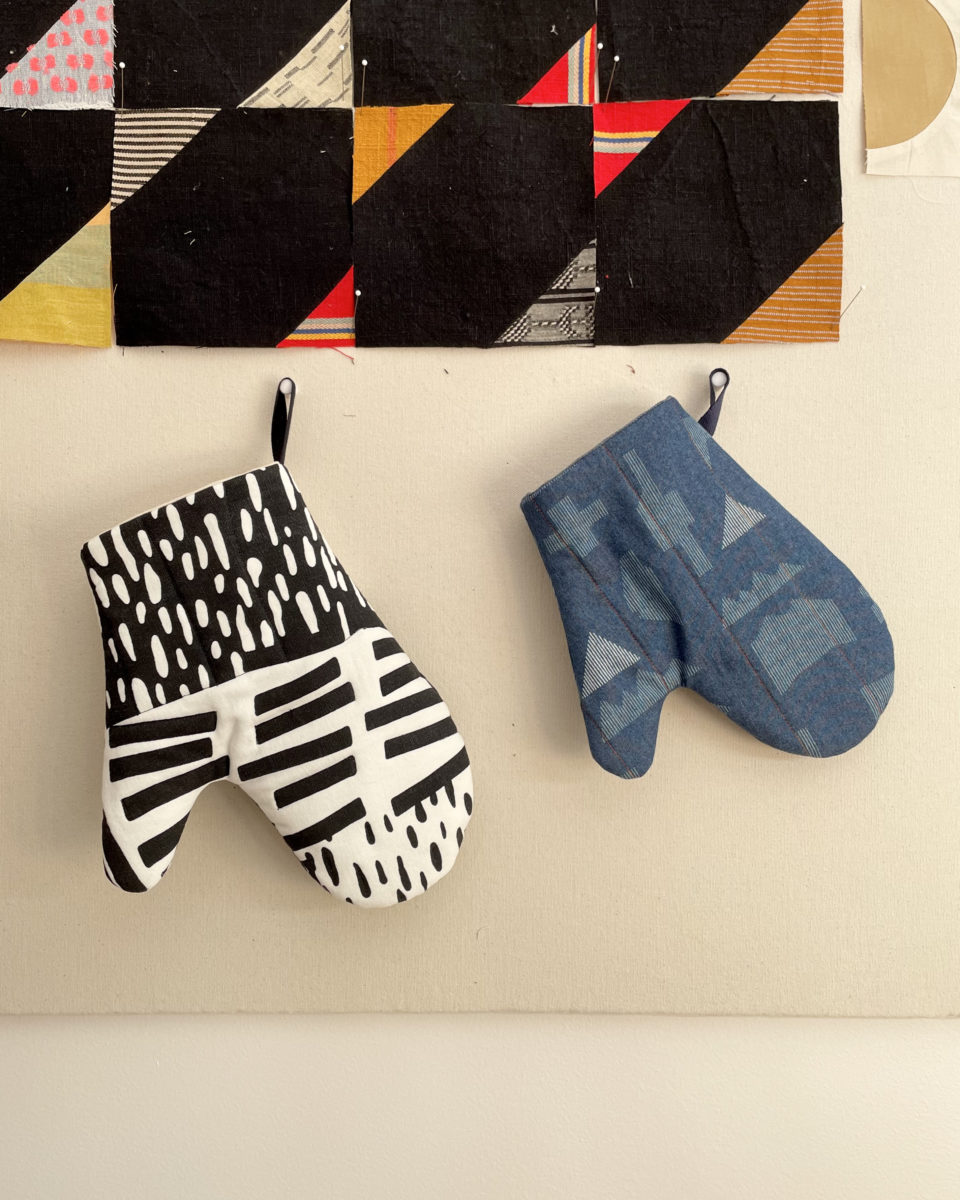
I also made him an oven mitt. After a very small first attempt, I re-printed the pattern at 115% and made a second one. I had hoped to send a blue pair, but I didn’t have anymore fabric, so he’s getting one black and white mitt. My cousin has claimed the mini mitt.
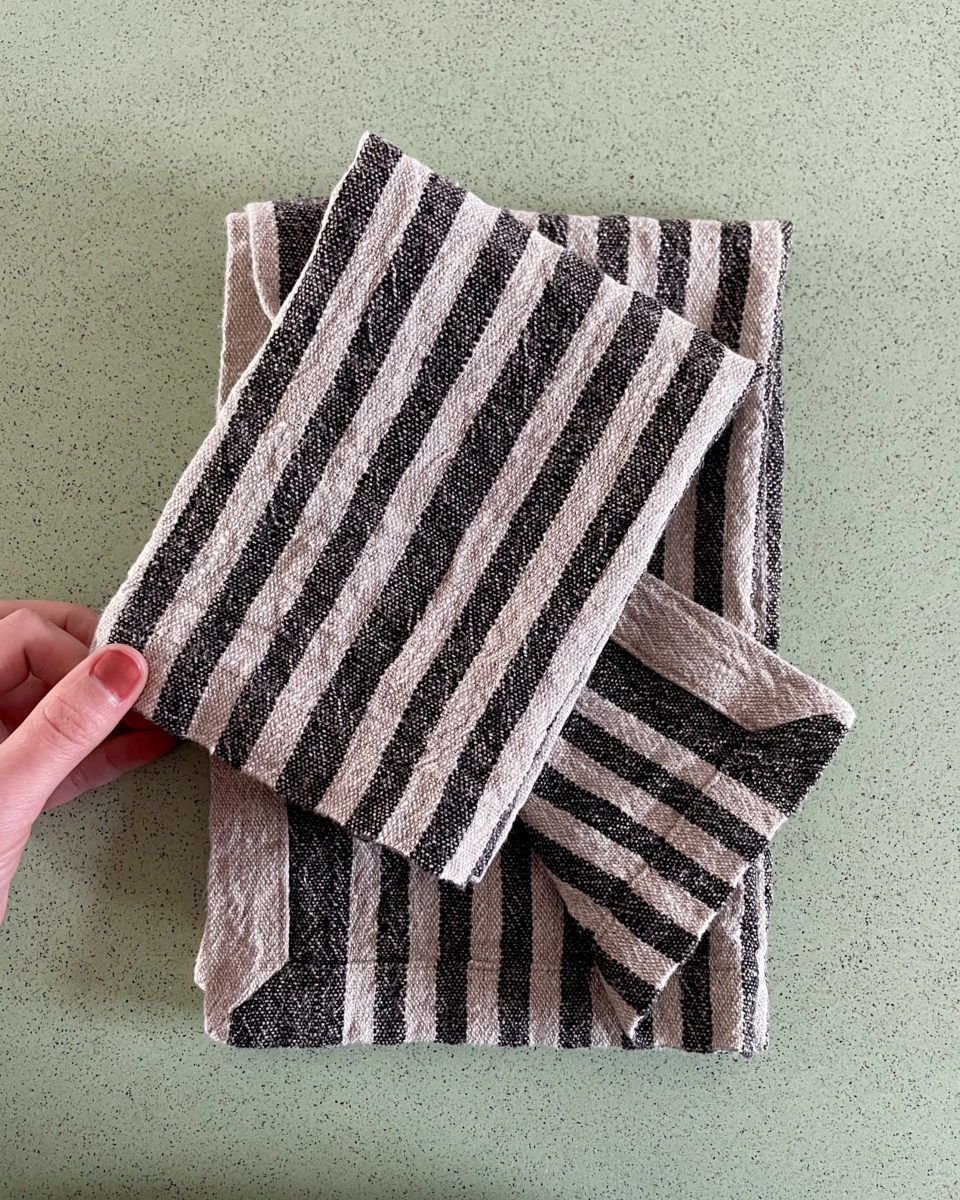
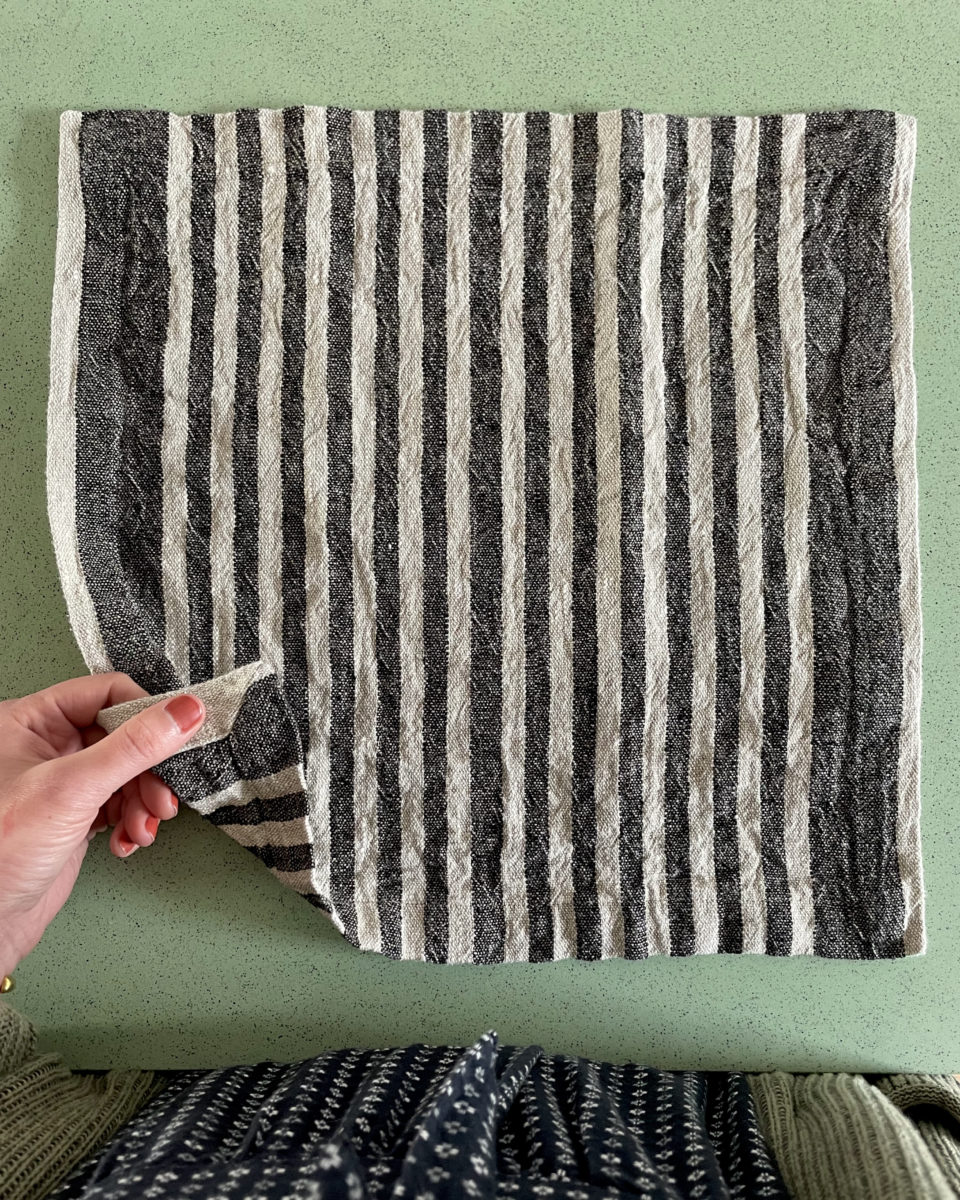
My brother is a hard person to shop for, so I made him two napkins and one tea towel. This fabric is… interesting. Even after washing, there was quite a smell when ironed. I soaked them overnight in some white vinegar water, which helped. I’m hoping it softens with use because they are a bit crunchy.
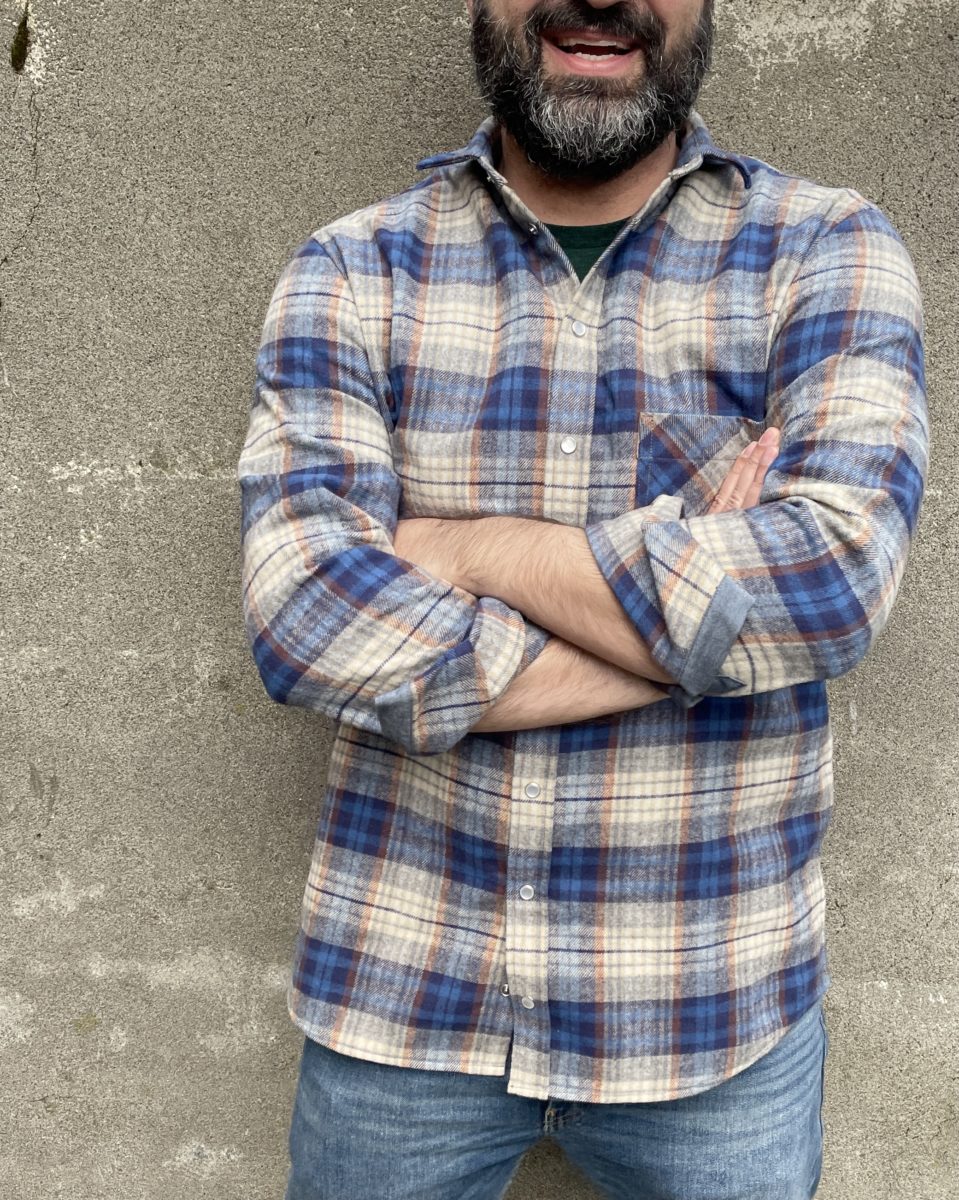
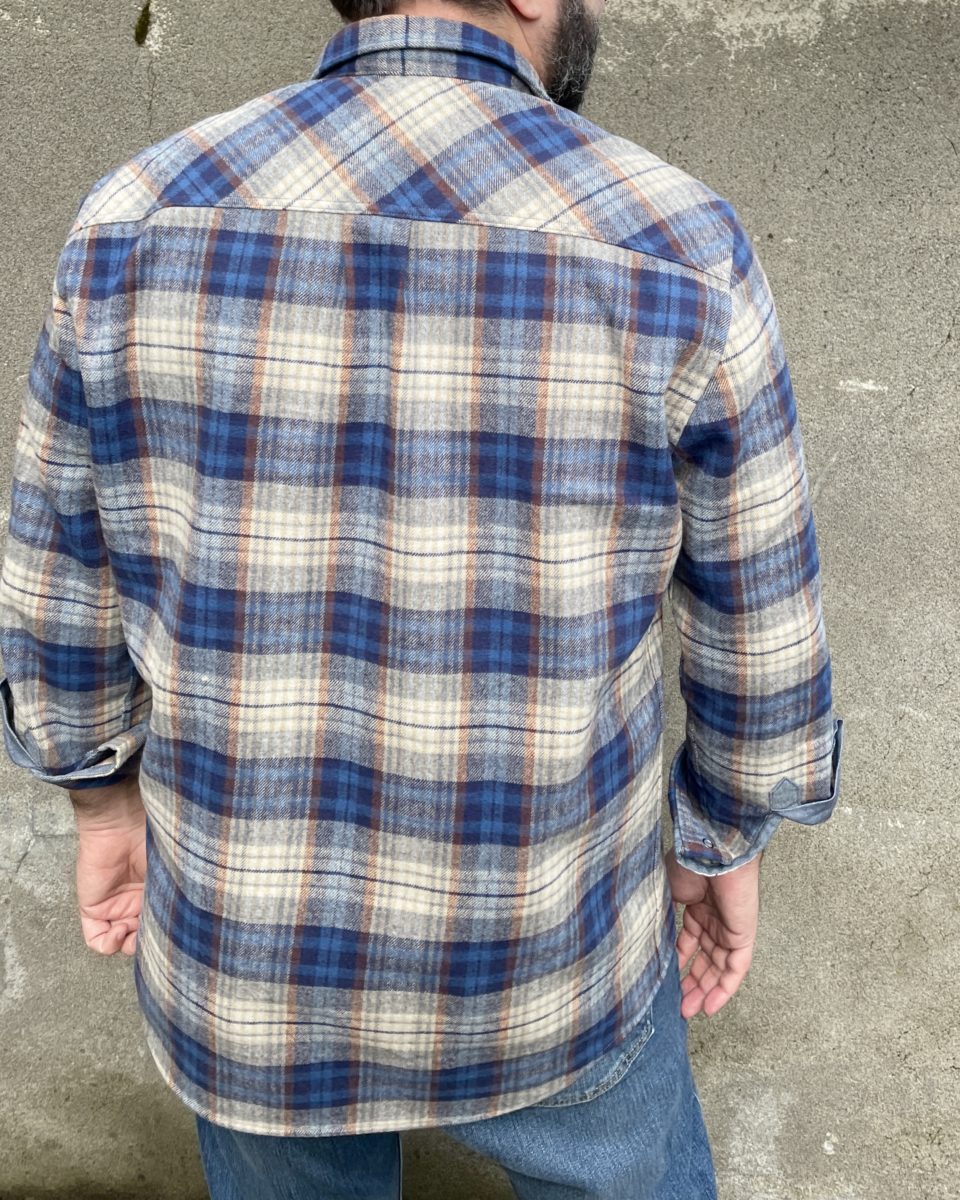
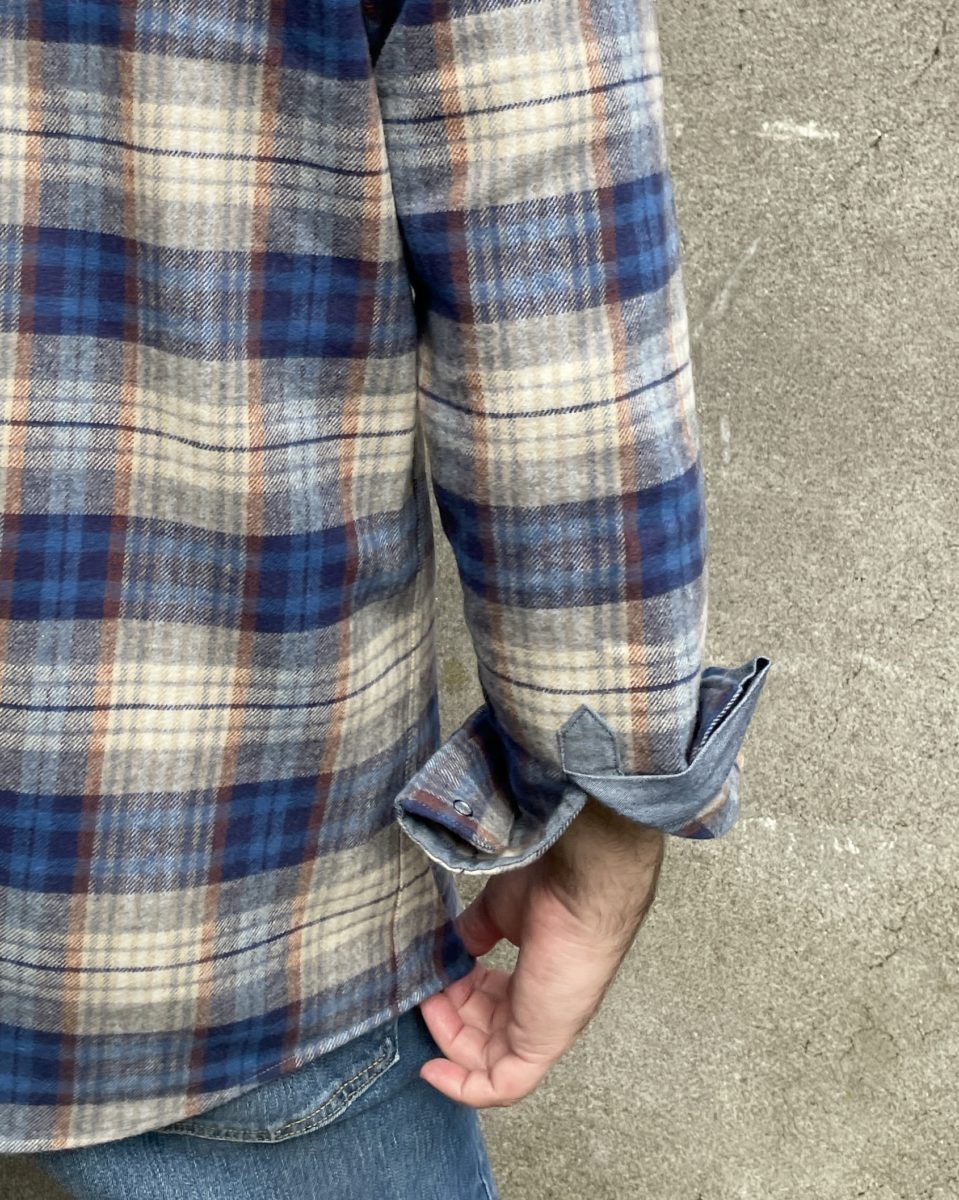
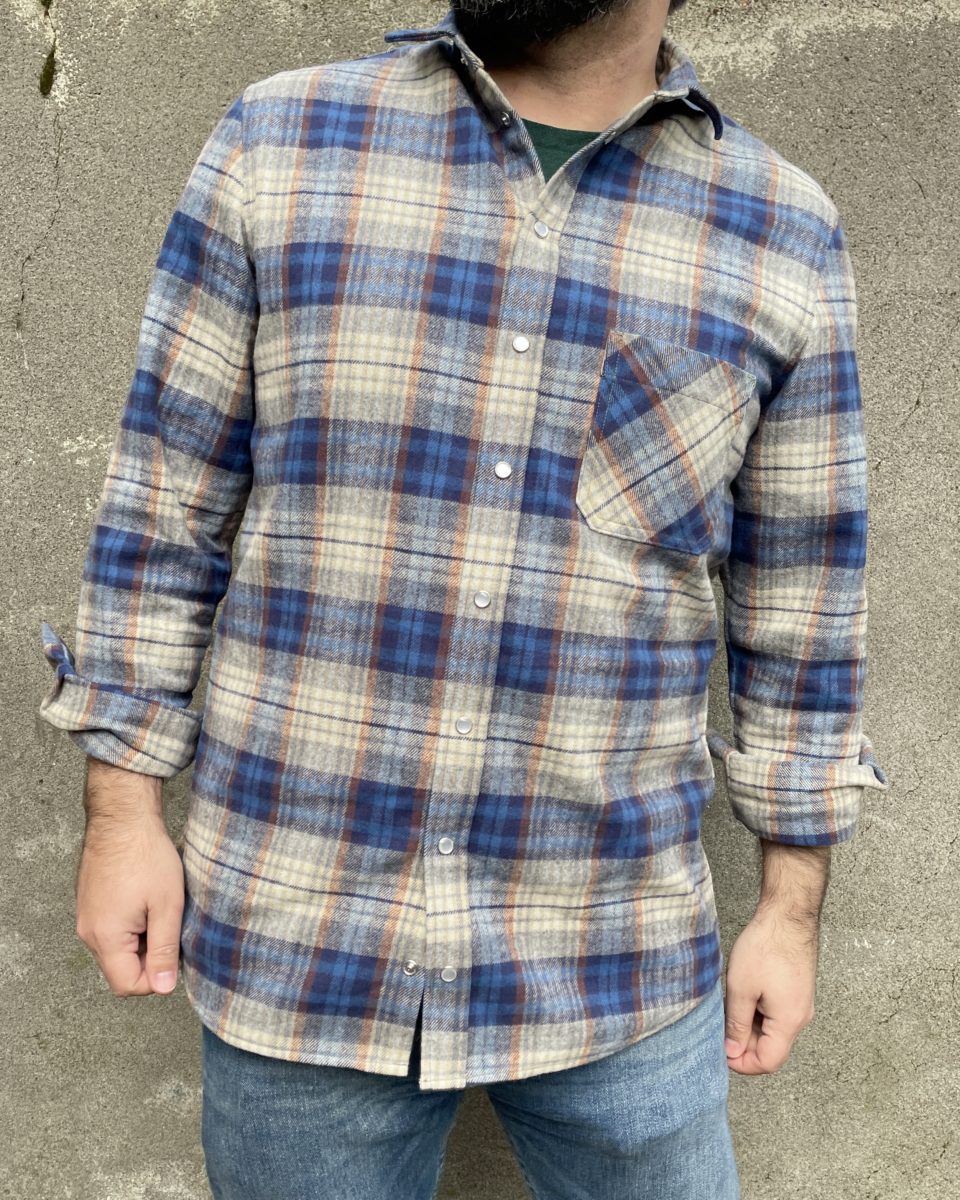
I made a Fairfield button-up for my husband. I waited until the absolute last minute to start this project and it took a very long time to complete. I also bought the wrong snap setting tool, so he got the shirt xmas afternoon and the snaps as a “bonus gift” December 30th.
I’m really proud of the plaid matching!
I made my mom a Seamwork Drew headband. I didn’t snap a pic of the one I made her before wrapping it, but here’s one I made for myself. It’s a great, quick pattern and I plan to make more.
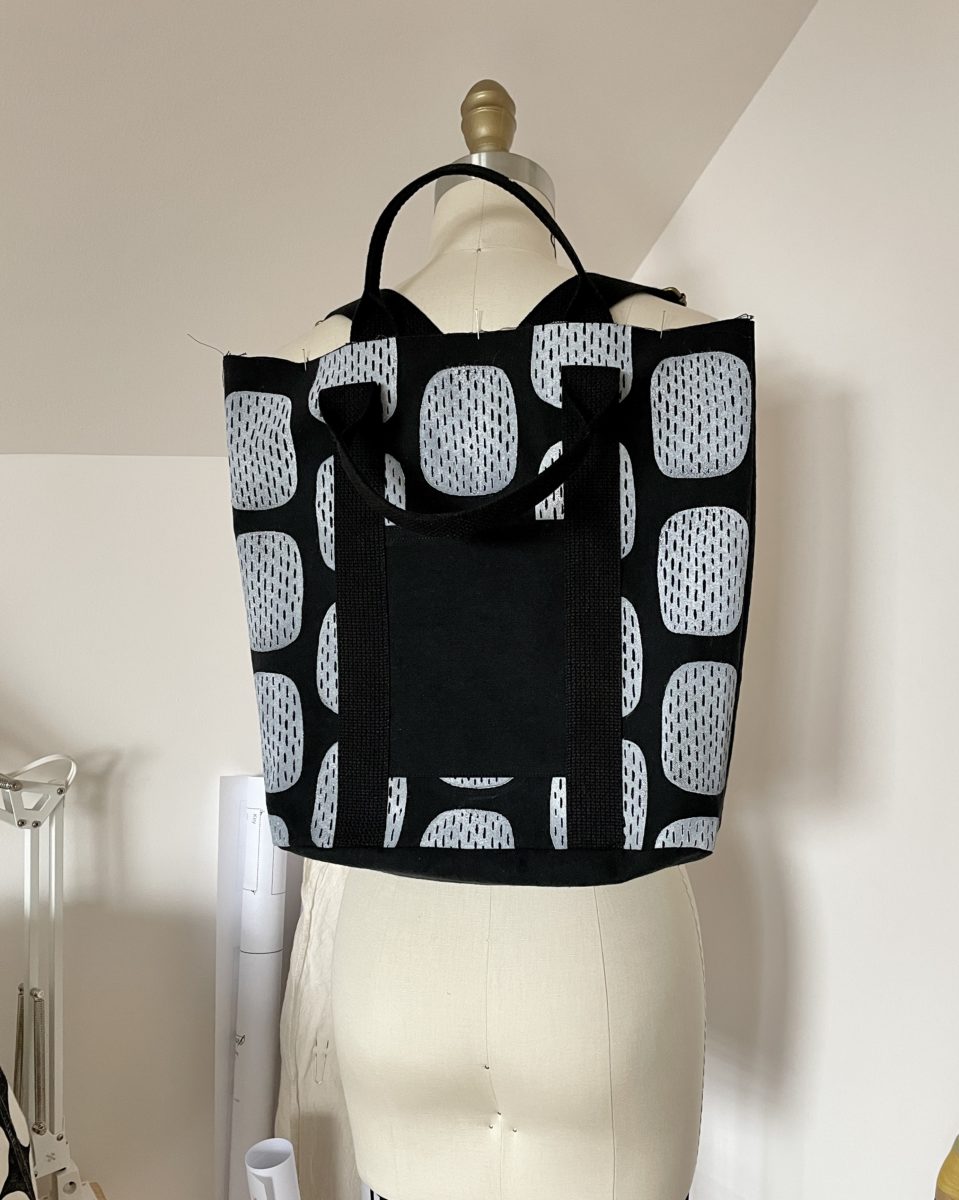
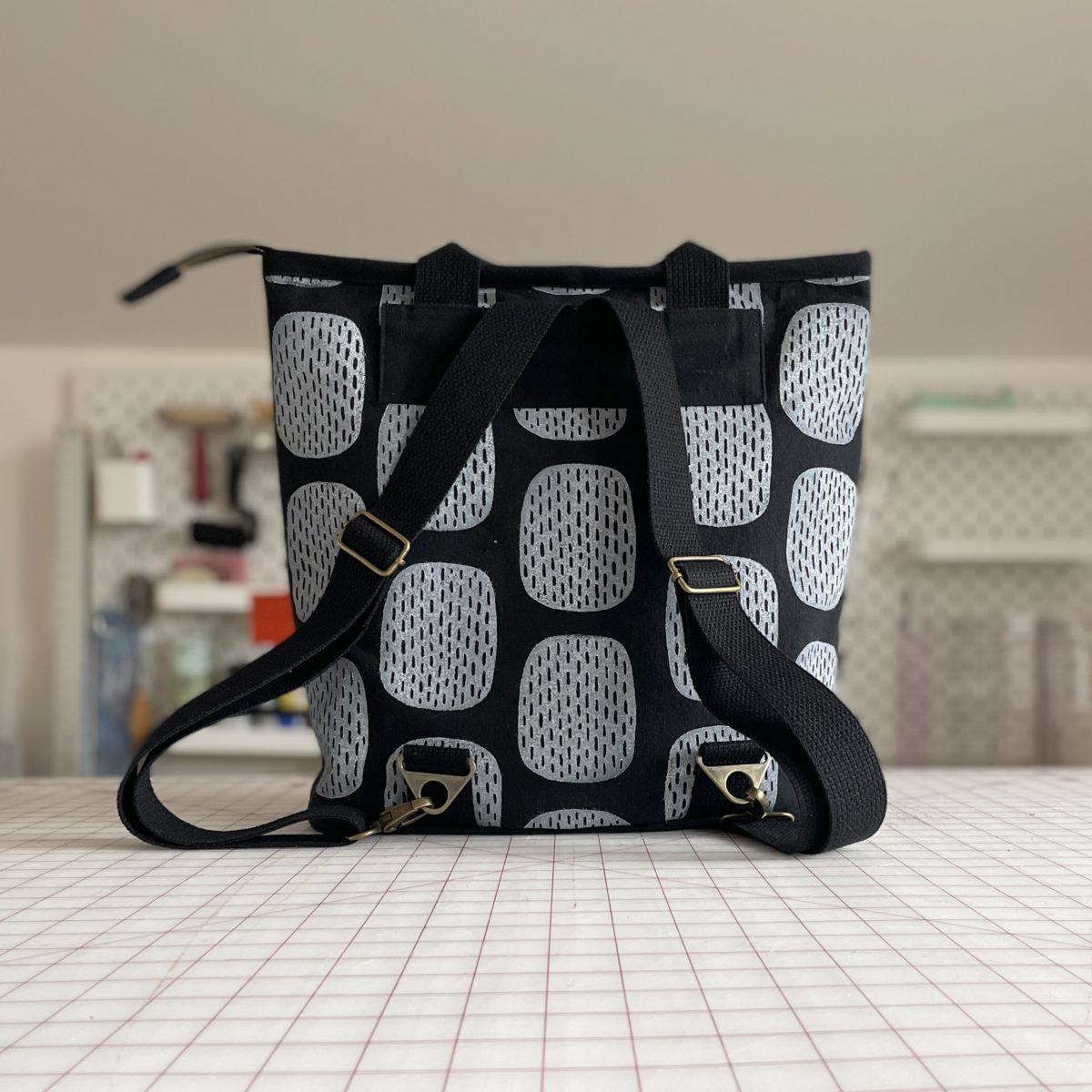
I’m also making her the Buckthorn backpack. Here it is in progress because I just started it last night. Yes, I started this 2020 gift in February of 2021.
In progress exterior. Needs lining and zipper.
I’m super curious if I’ll want to make handmade gifts next December, or if I’ll be able to get them done one time, or if travel will even be possible. I plan to cut out my husband’s gifts soon so they’re ready to go!
Elizabeth Suzann was my introduction to ethical fashion. On the ES blog Liz Pape, the owner, would talk openly about pricing and consumption, business practices, environmental impact, and many other important topics. In addition to its unique business practices, ES had so many beautiful and functional designs.
This incredibly sad announcement also came with the promise of eventually making the patterns available (and free) to the public. Bittersweet news for the sewing community.
Favorites like Clyde, Georgia, Harper, and Florence are available through this newsletter. The Dropbox link (the only thing you’ll be sent through the newsletter) will be updated with patterns until Liz Pape is able and ready to release them herself.
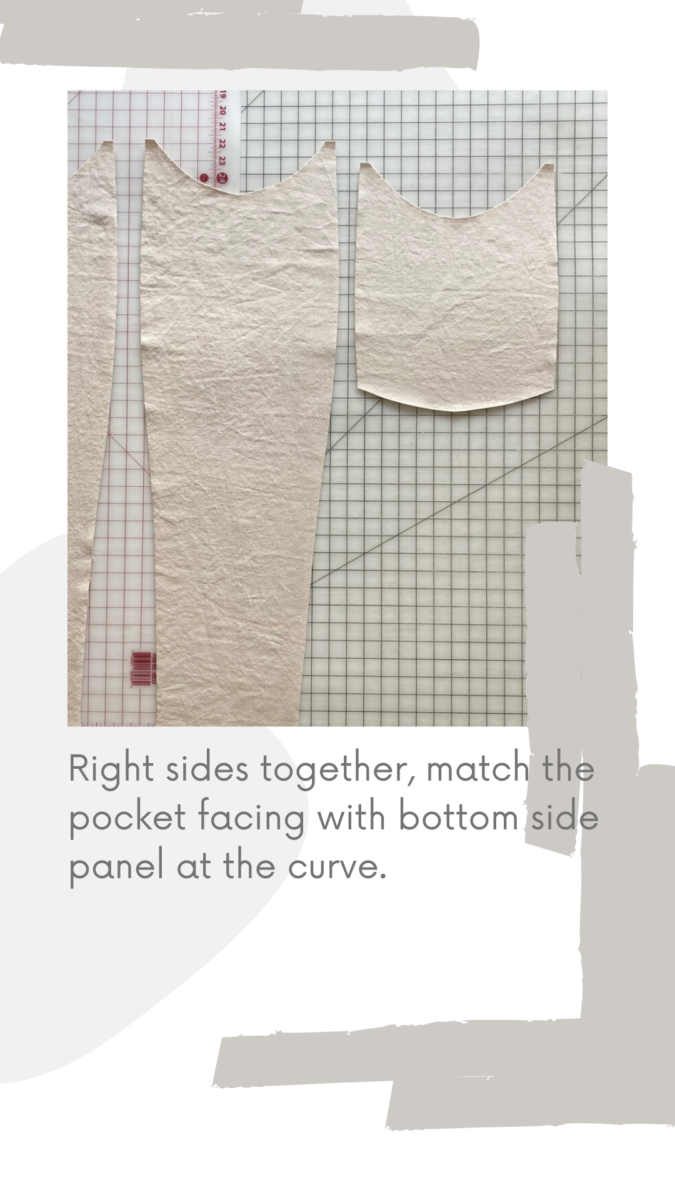
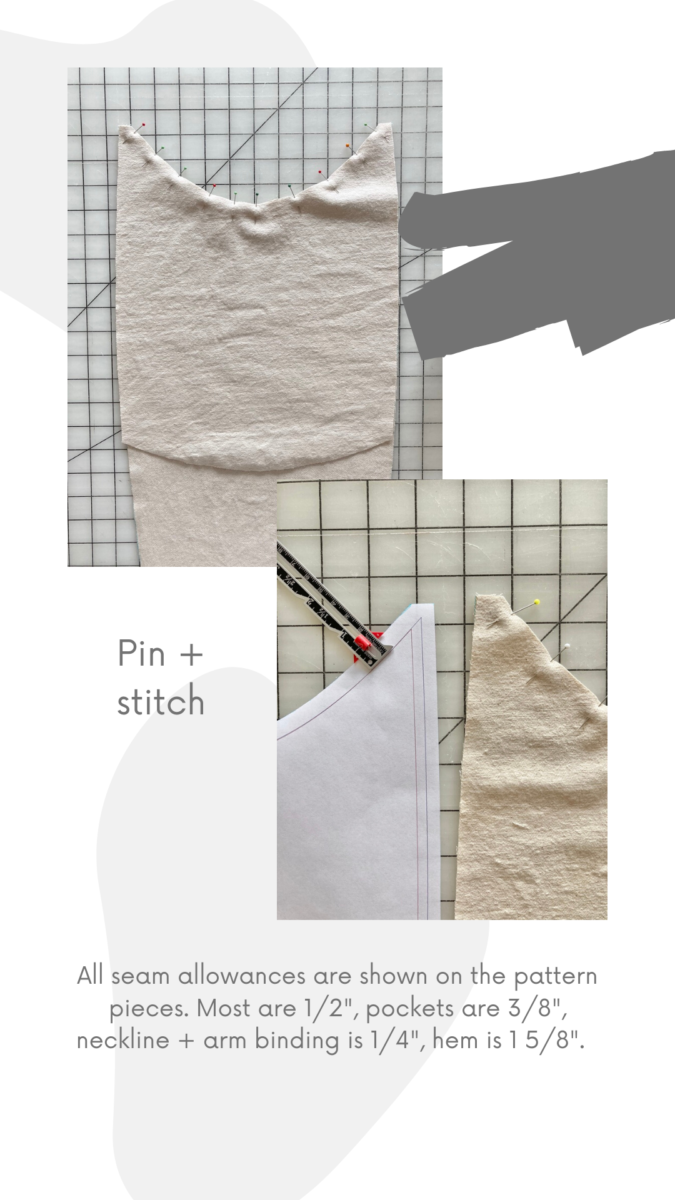
Currently, it’s just the patterns, no instructions, but many makers have already posted mini sewalongs on Instagram. Tutorials can be found via #ESMadeByMe. I’ve also shared how I constructed this in an IG highlight, but you can also view it at the end of this post.
Now for the most important part, donations. As these patterns are open source/free, we’ve been encouraged to donation to Black-led social justice organizations. Since I’ve downloaded the Clyde jumpsuit and work pants, as well as the Harper tunic, I’ve donated $15 to each of the organizations listed in the newsletter, and will continue to donate that amount per pattern download.
UPDATE: due to the overwhelming response to the newsletter, it has since been shut down. It became too large of a project for our community members to manage. Liz Pape will be making them available sometime in the future, so hang tight. I will not email out the patterns I’ve downloaded, so please don’t ask.
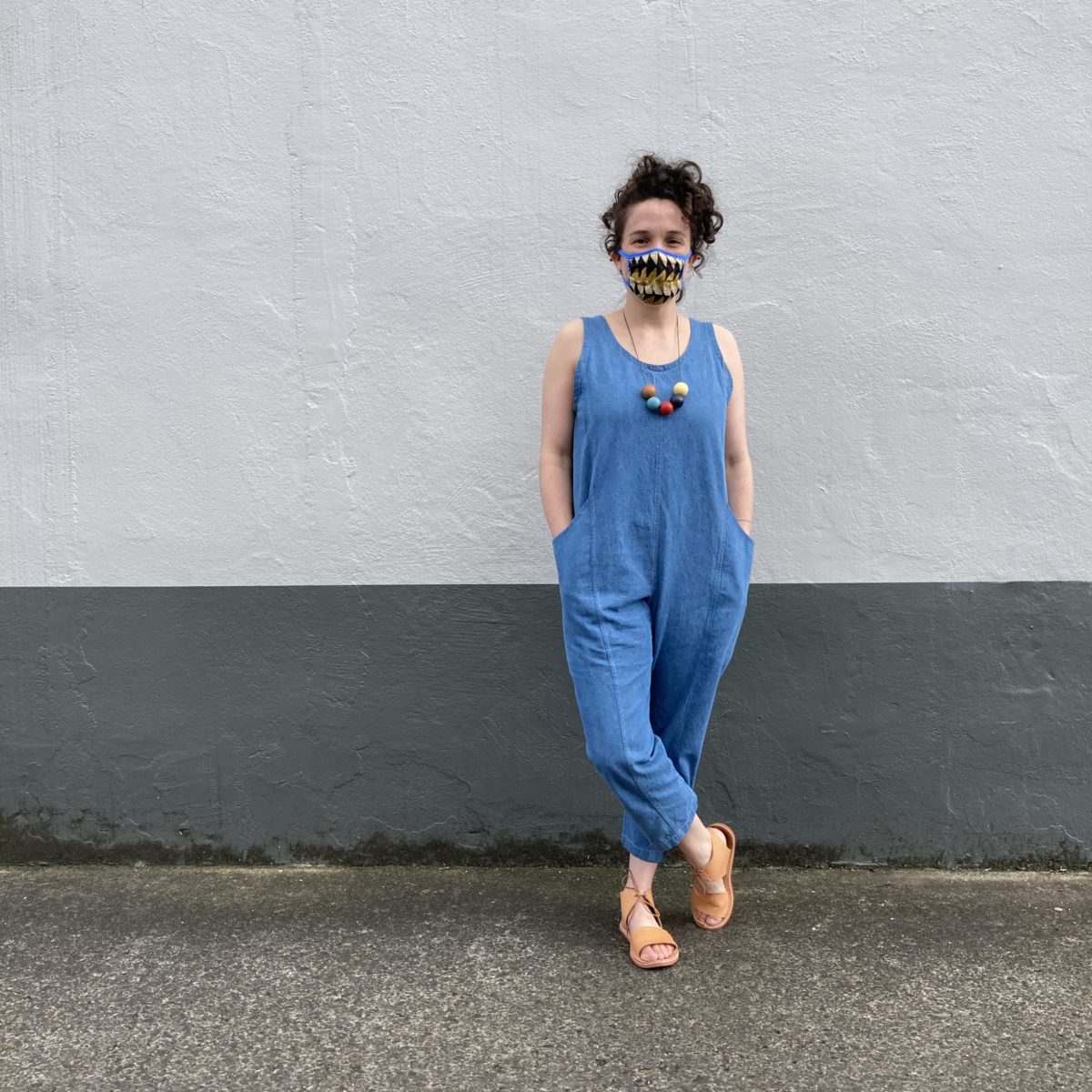
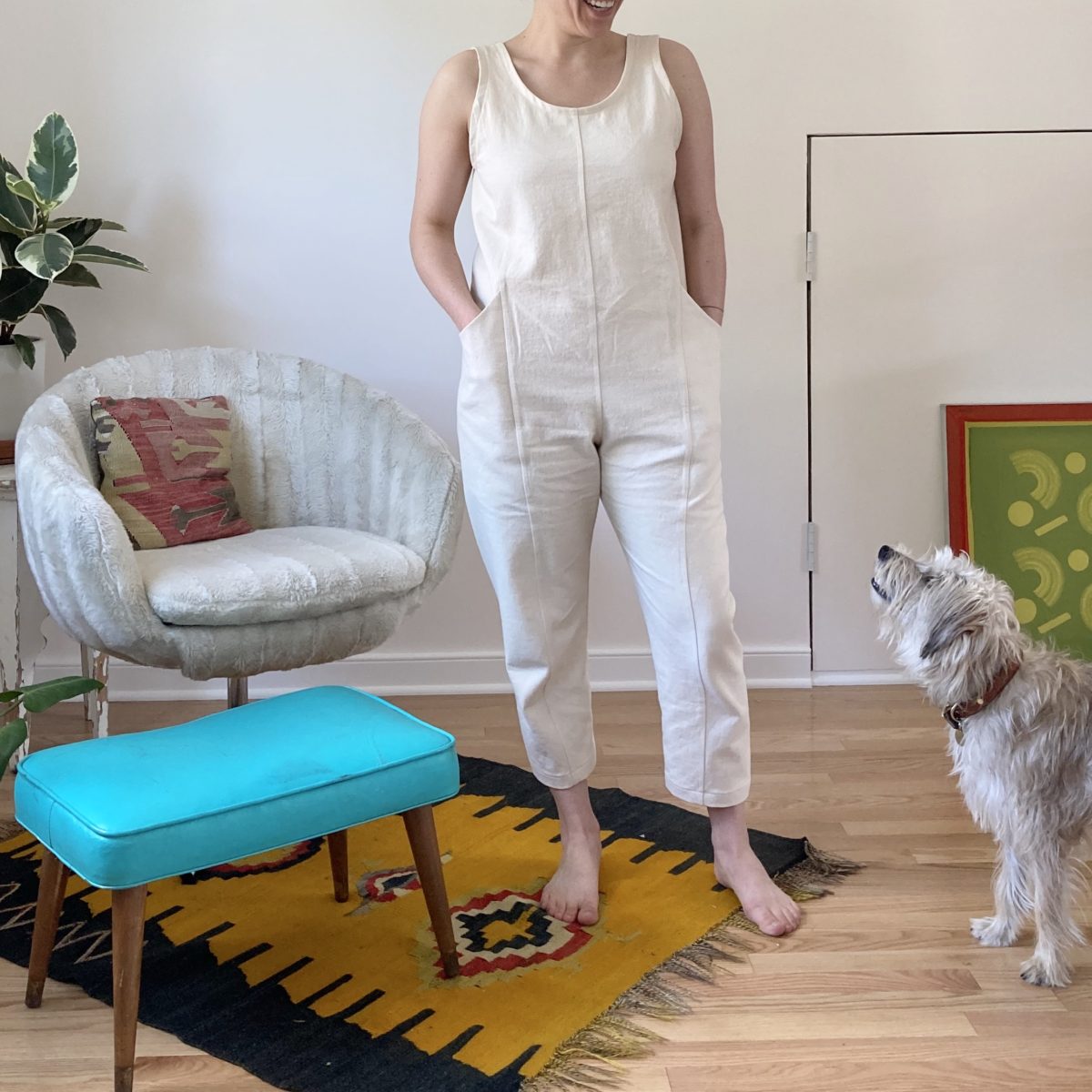
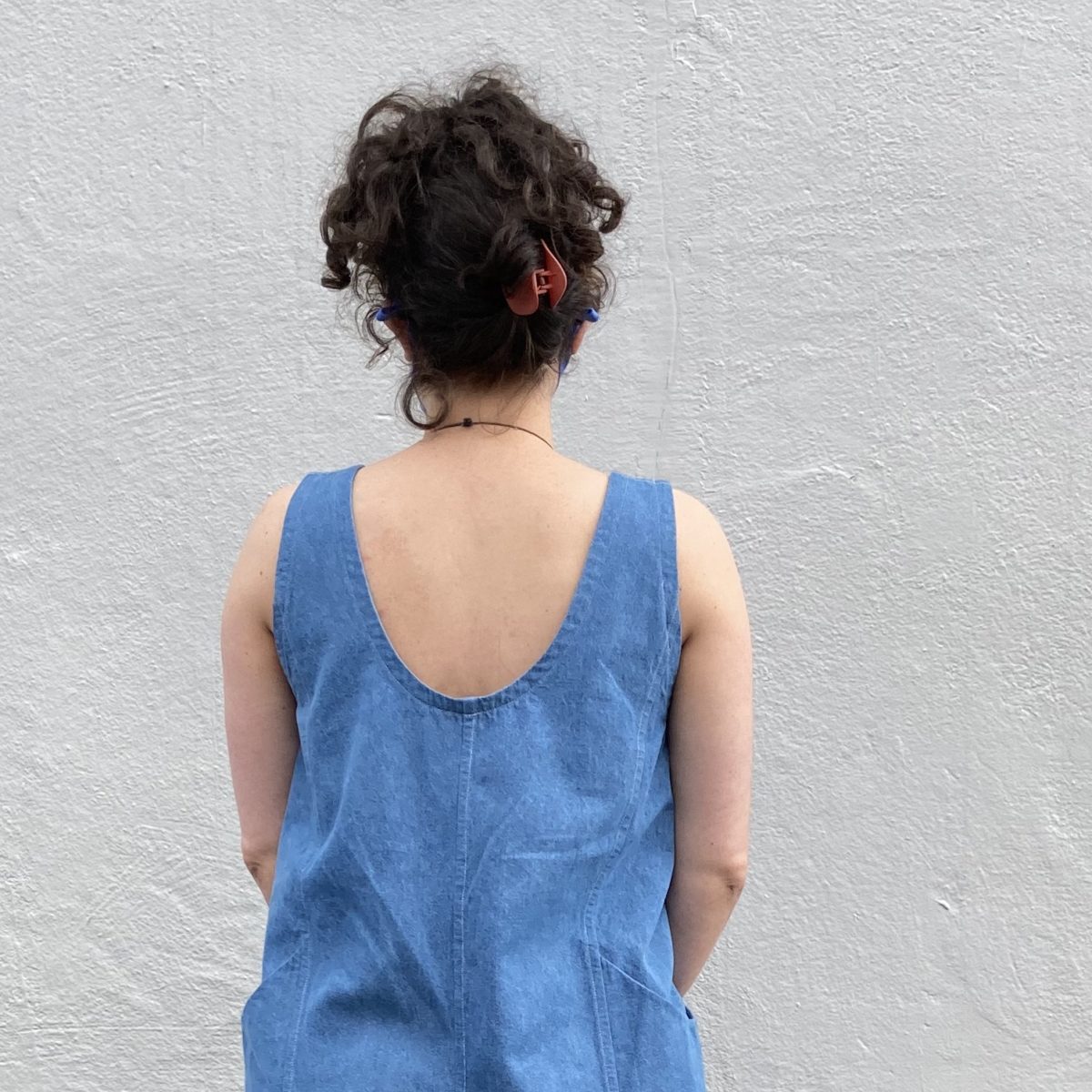
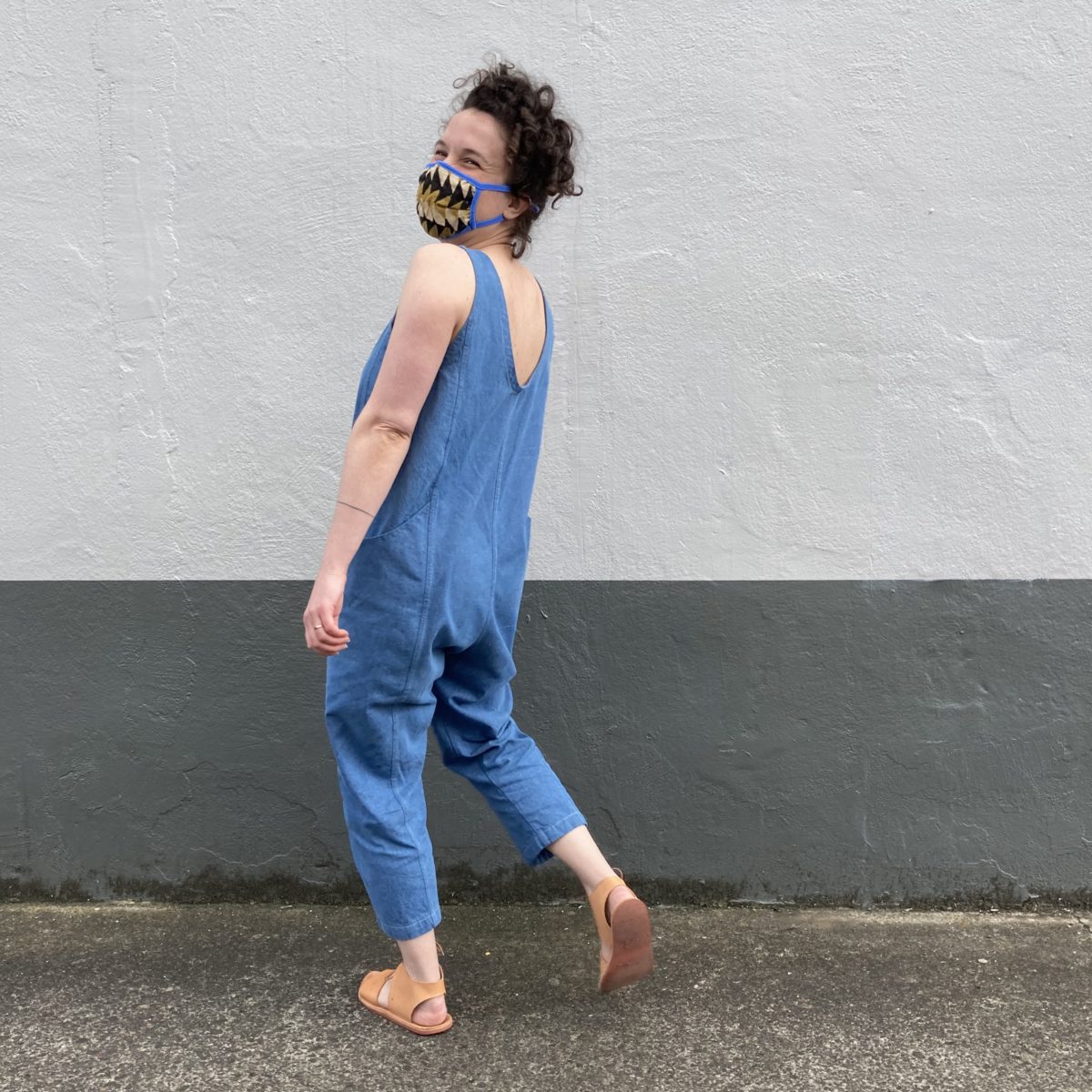
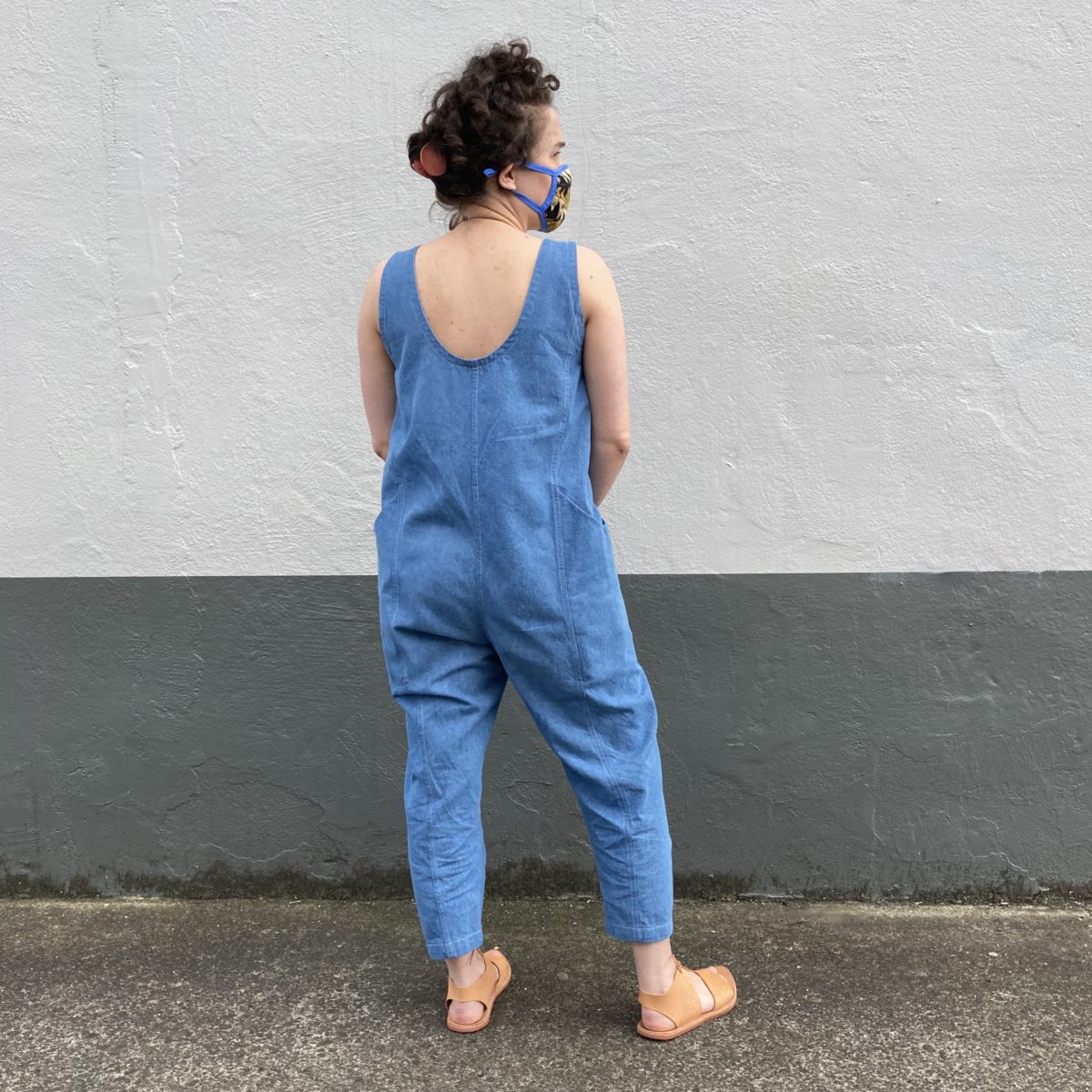
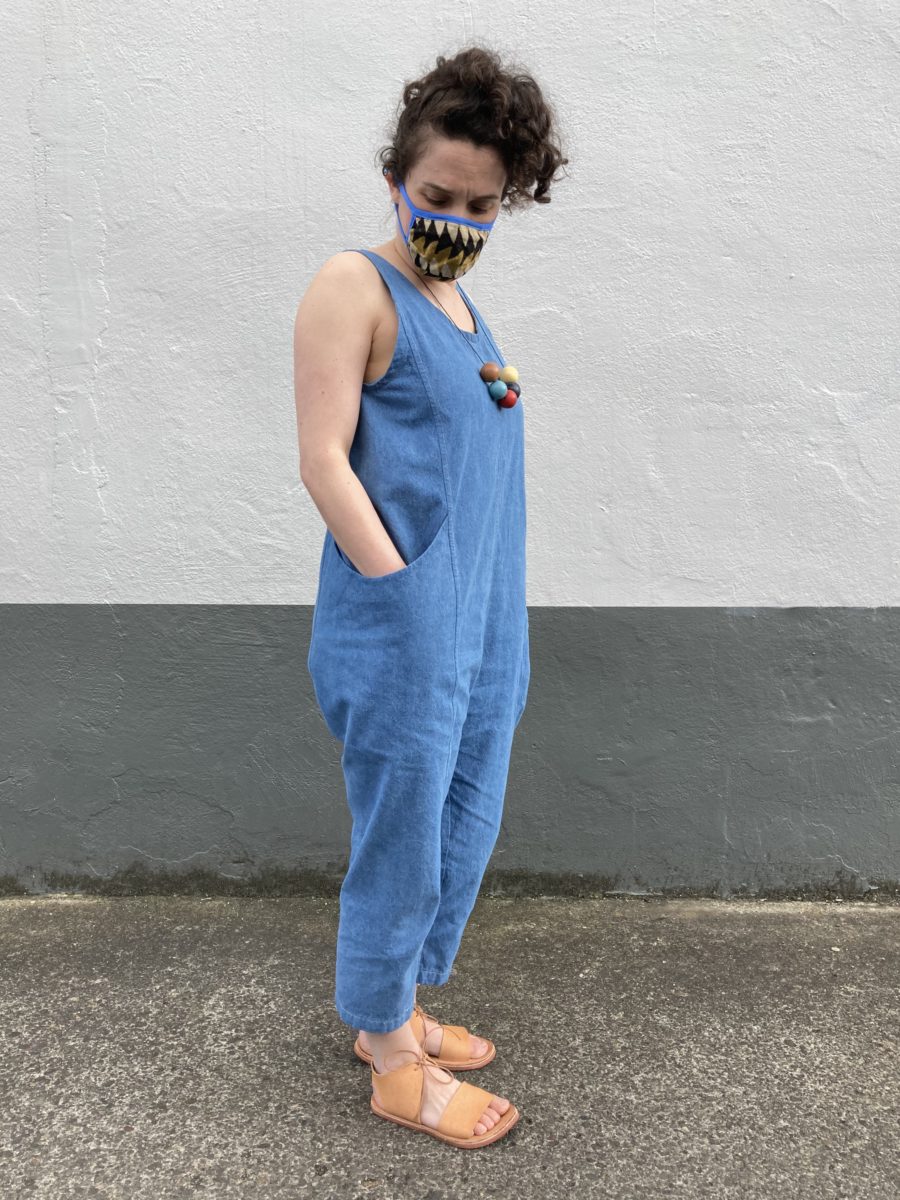
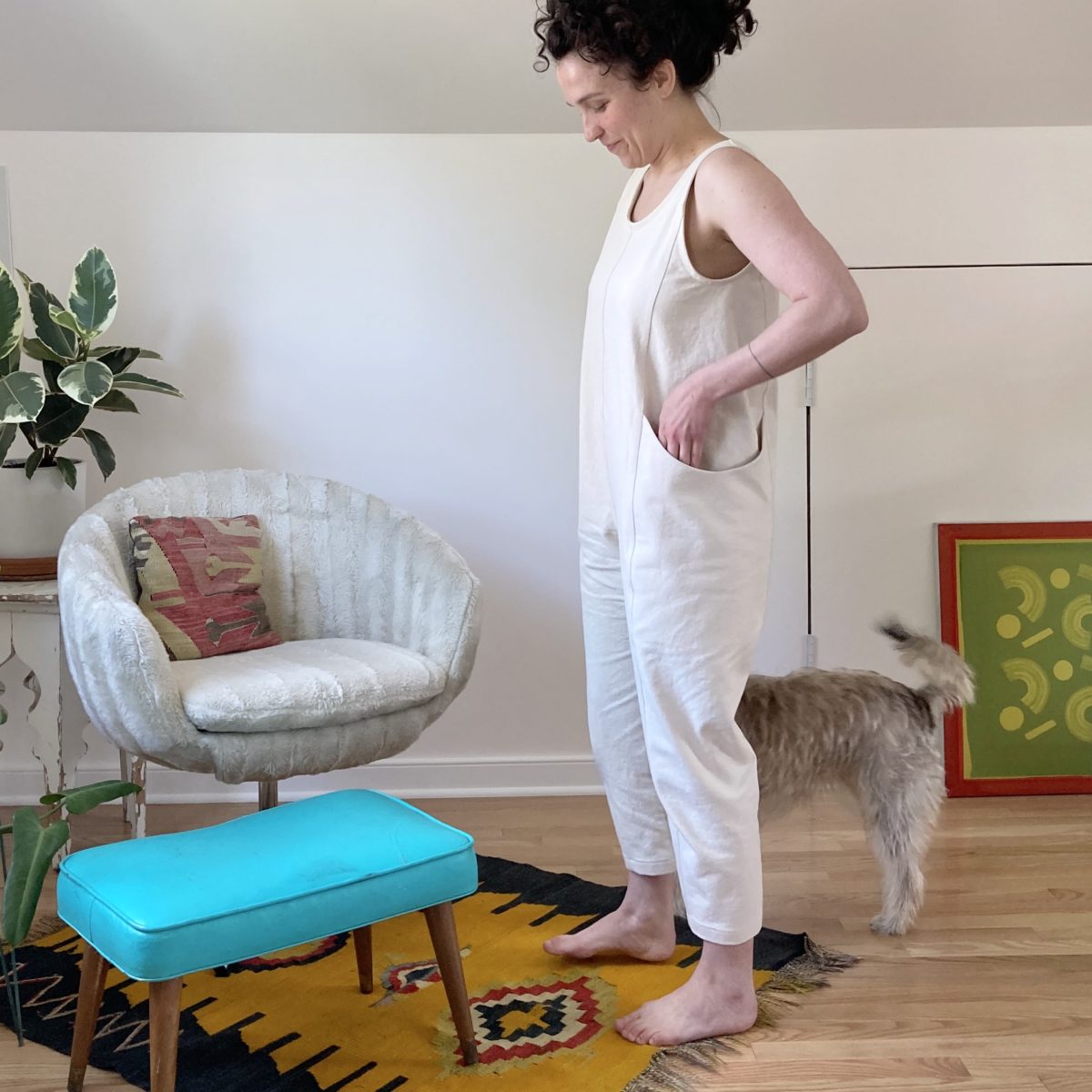
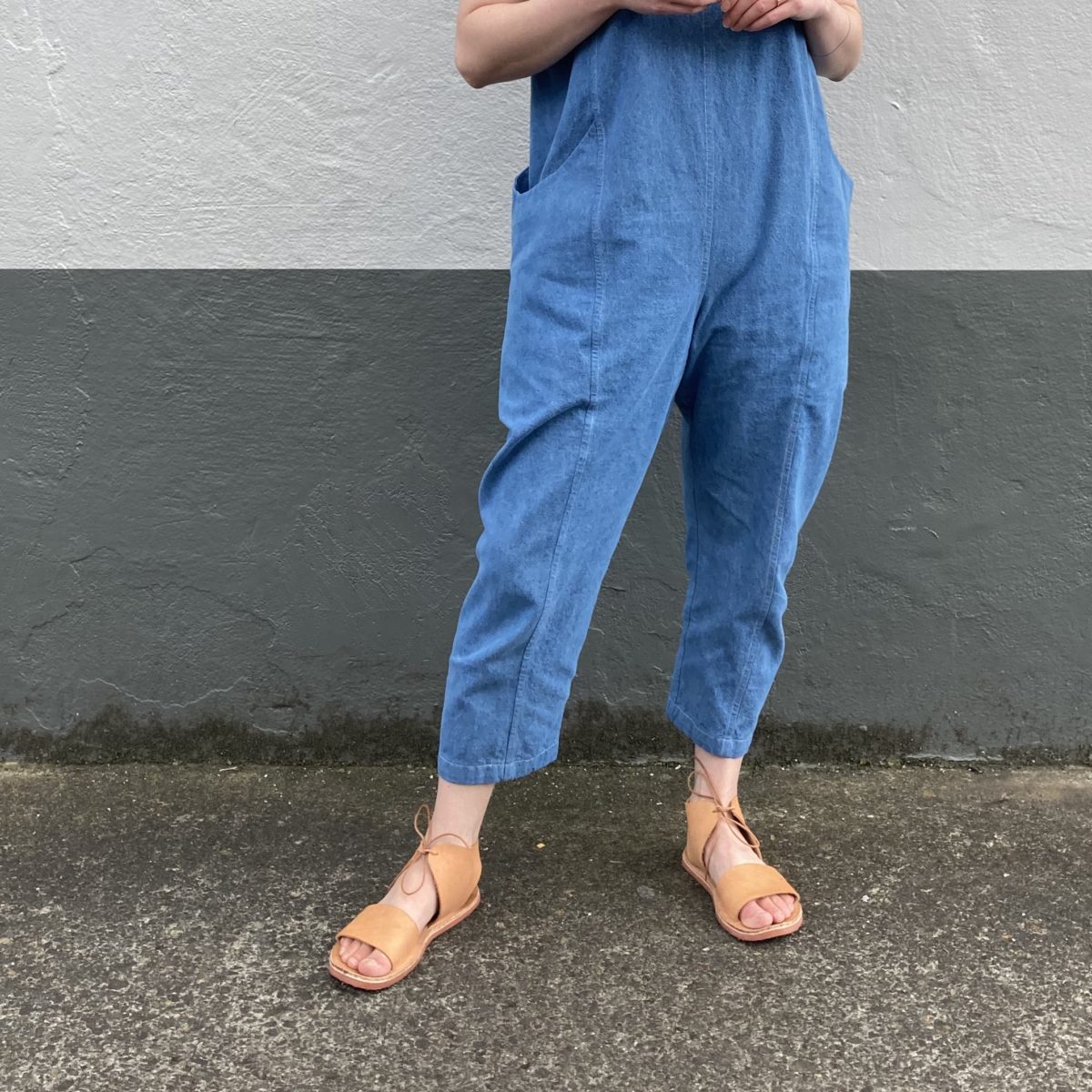
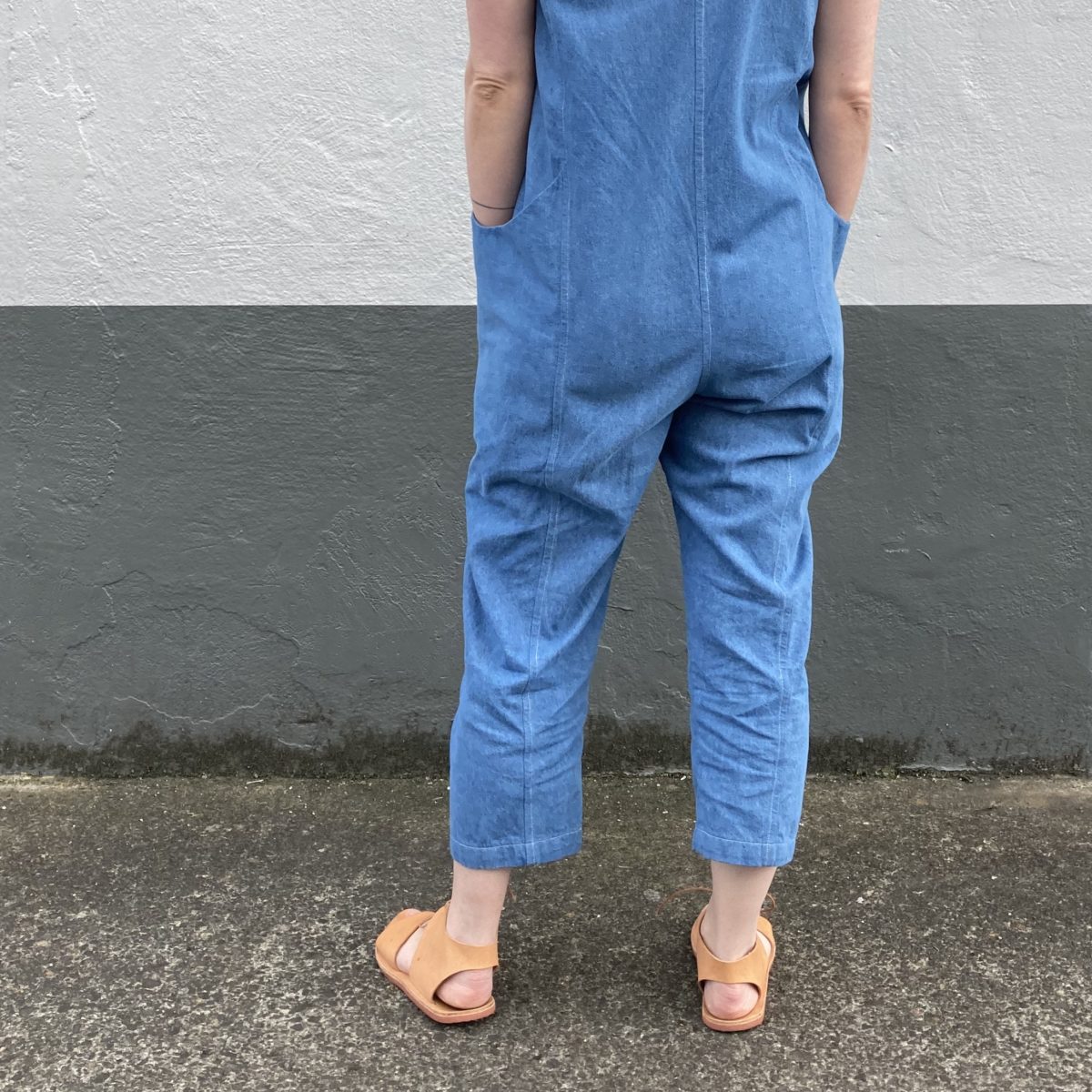
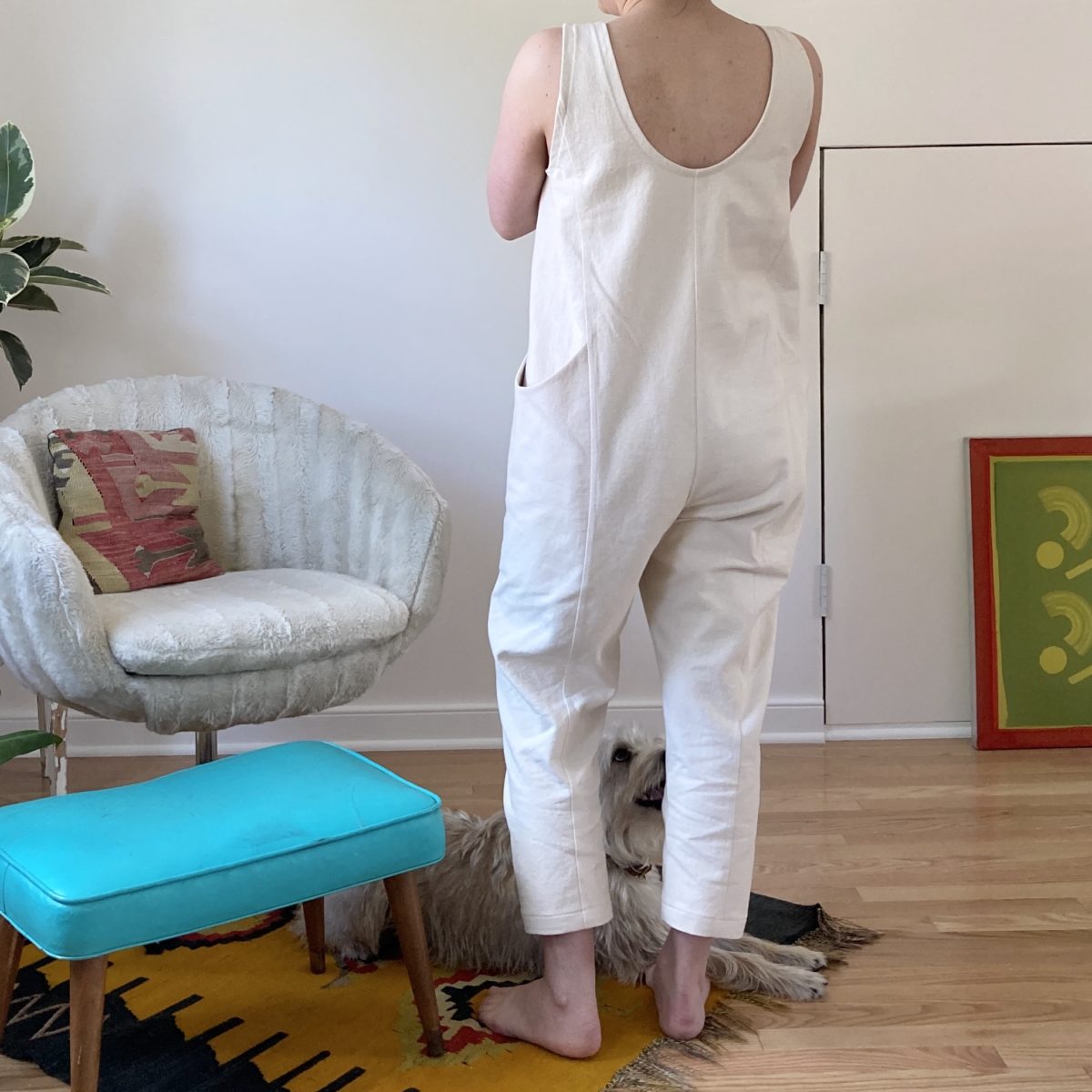
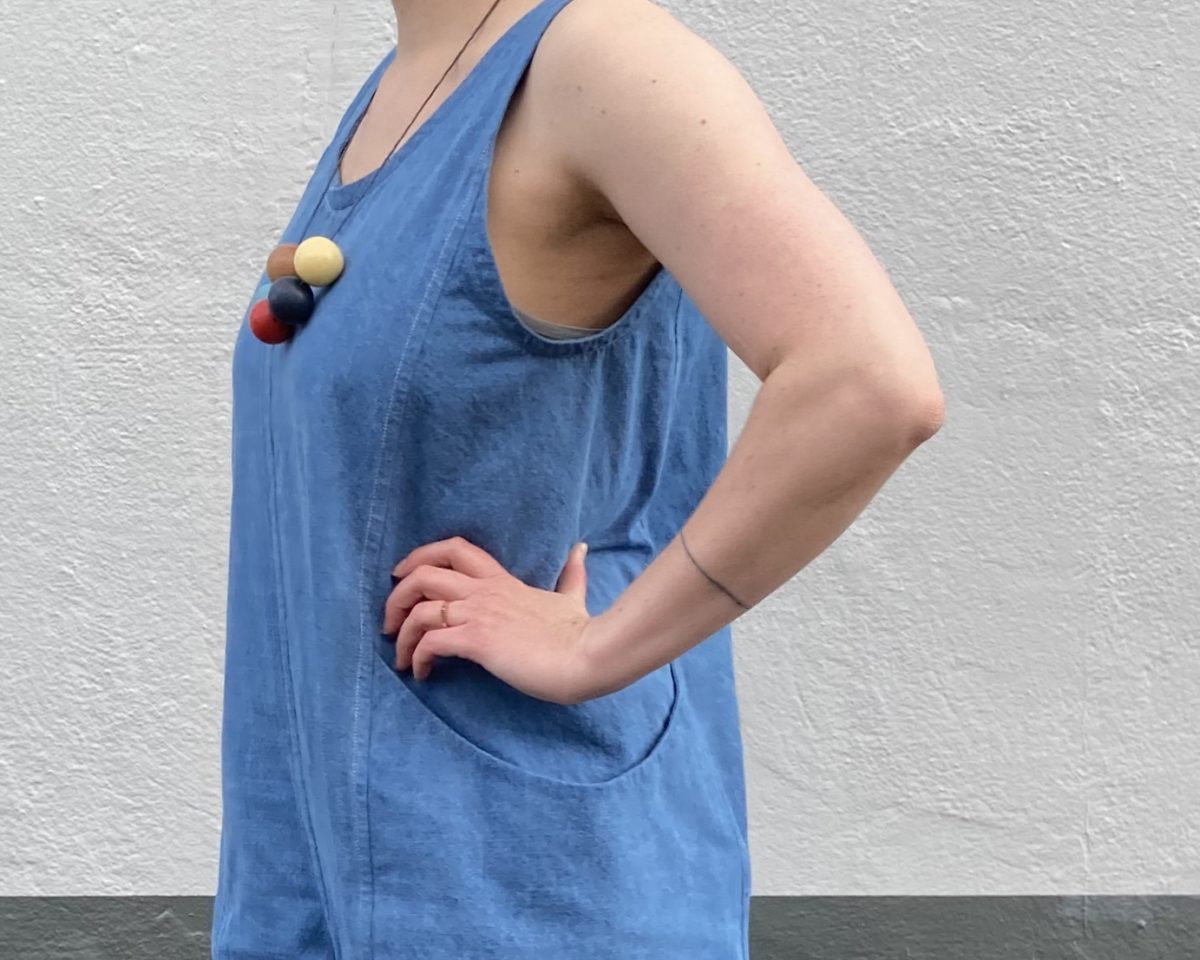
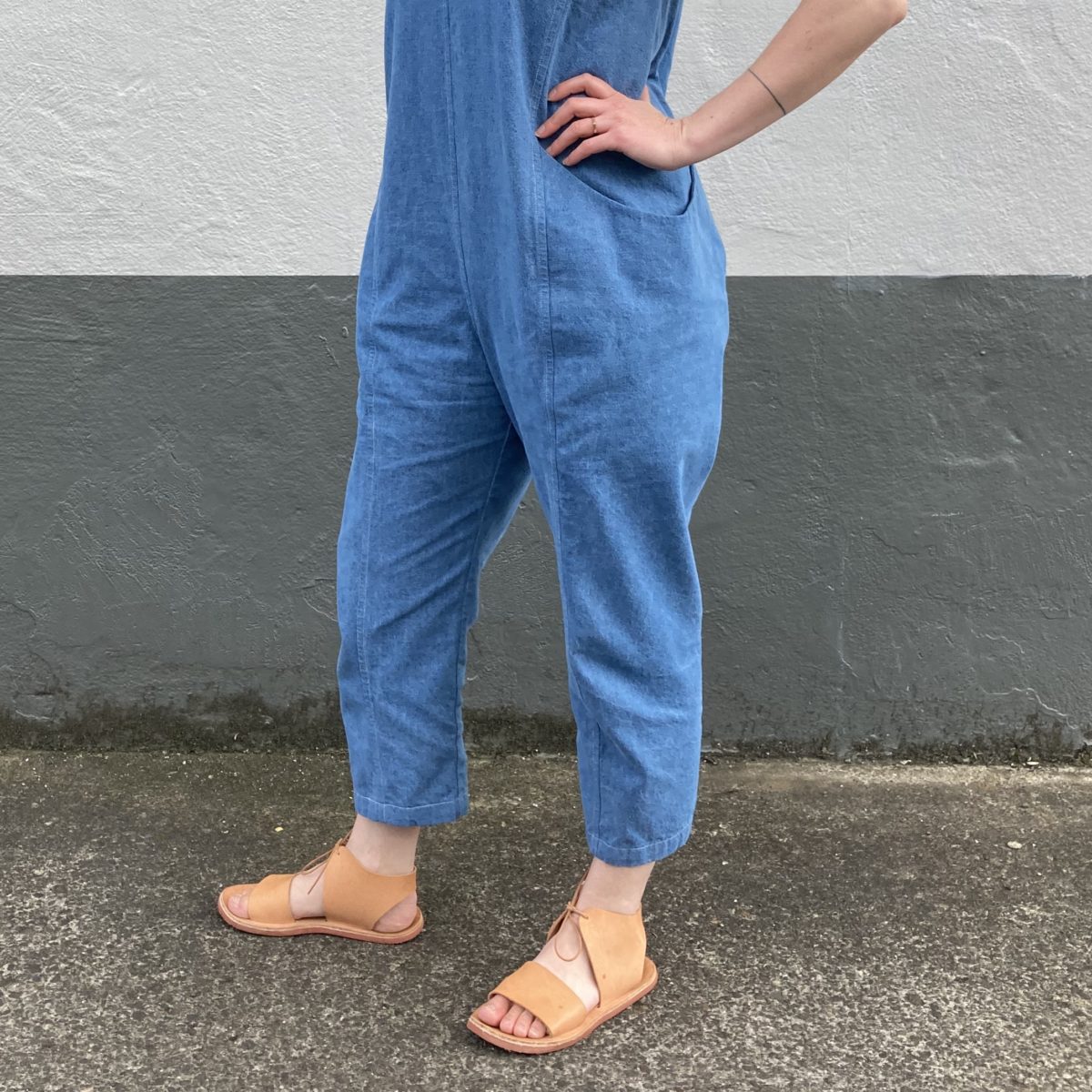
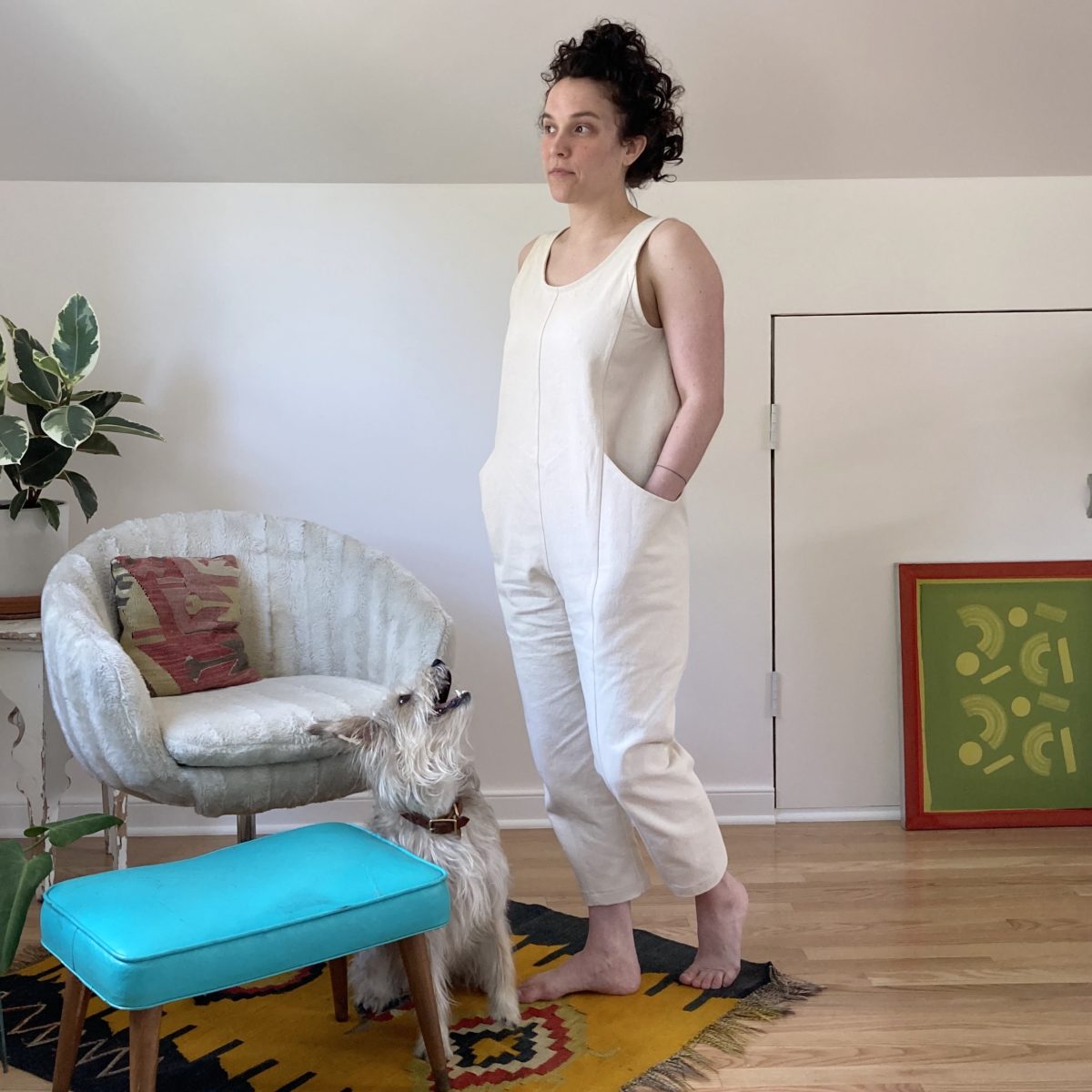
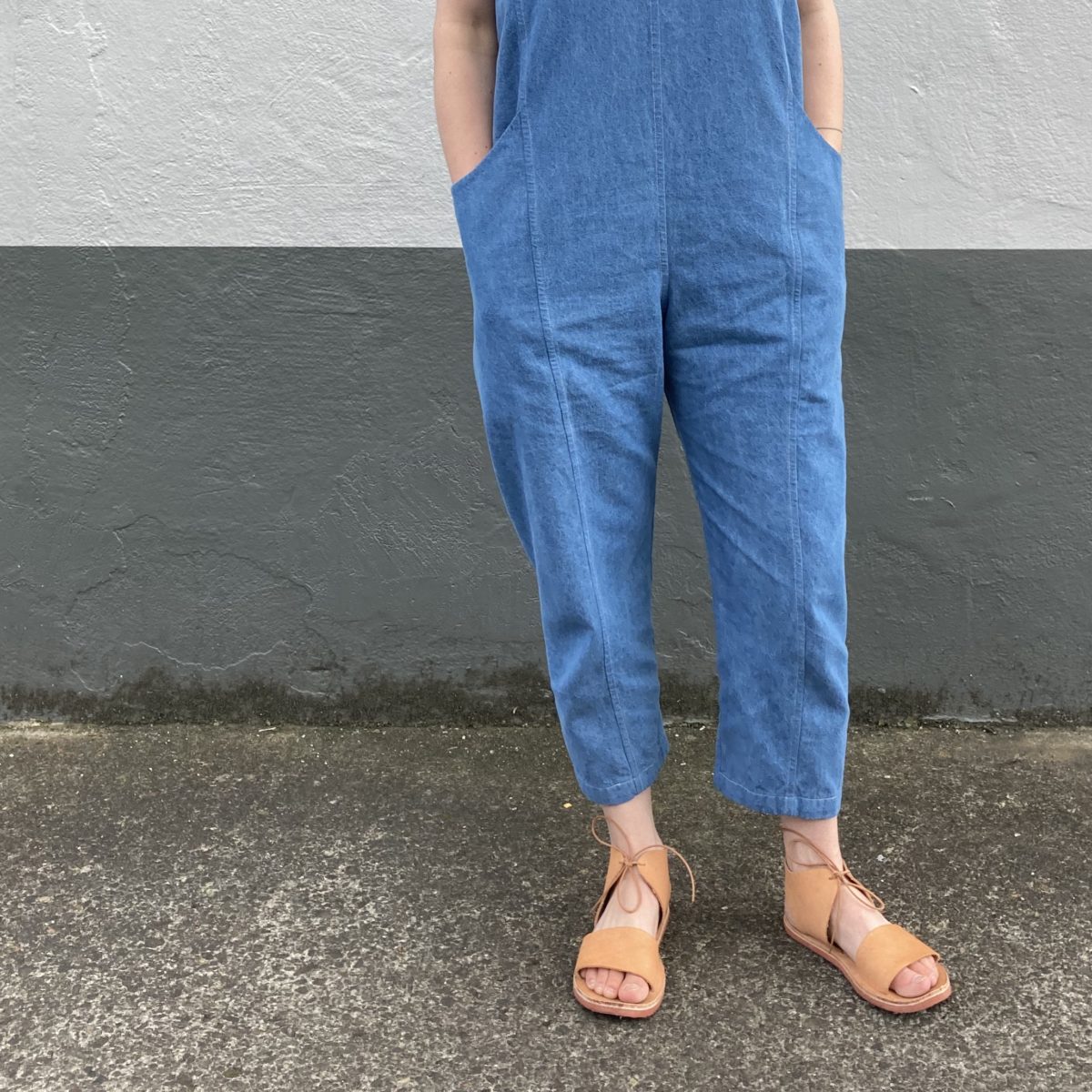
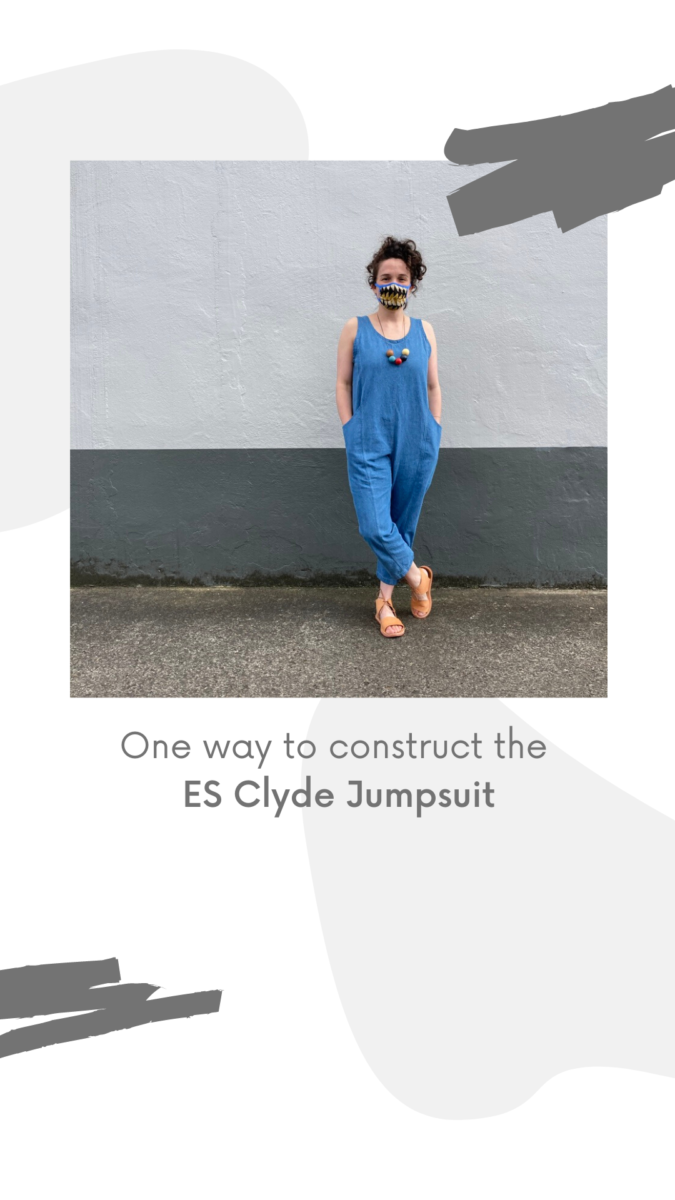
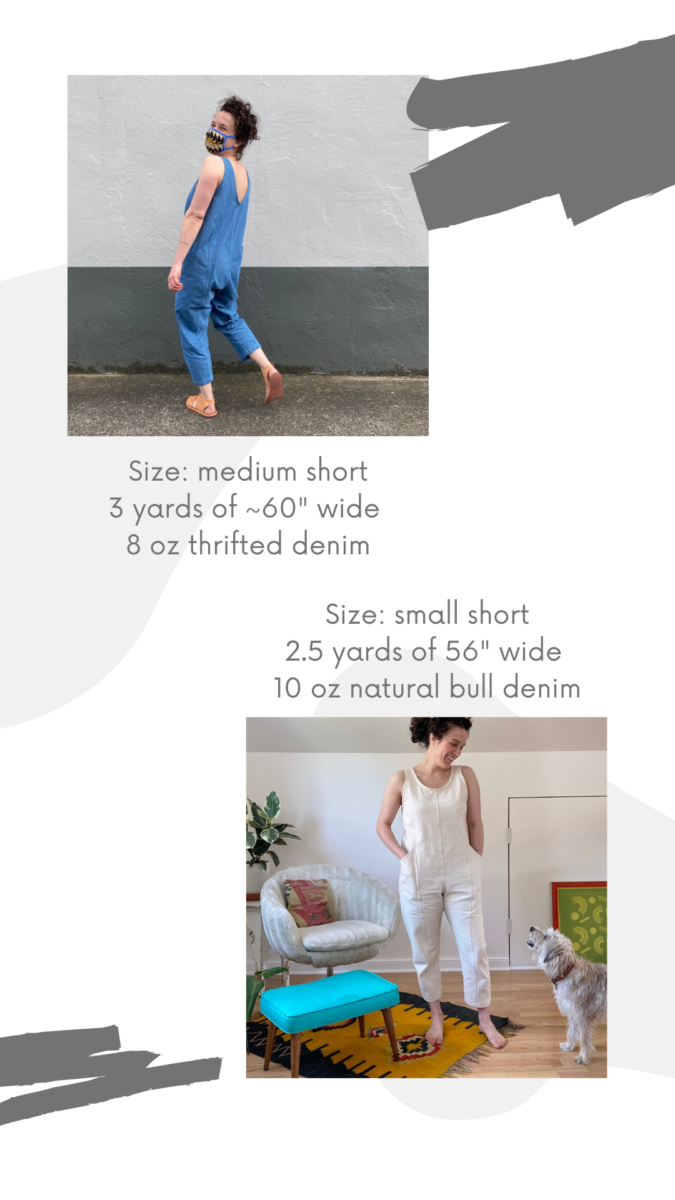
I really love these jumpsuits. There aren’t any closures; the neckline should be wide enough to fit over your hips. The design is part of the ES signature collection and can be worn any season. The armholes can accommodate a sweater in cooler weather, or a t-shirt / on its own in warmer weather.
The iconic pockets are deep and sit slightly away from your body. They pretty much remove the need to carry a purse.
If you’re unsure about sizing, there are a lot of measurement available on the ES website. If after checking the size charts you’re still unsure, make a muslin.
UPDATE: recently learned all made-to-order ES products were washed after being sewn. The ES team did a lot of research into shrinkage rates for their fabrics, so I would not suggest you do the same. Prewash your fabric in the same way you will wash the finished garment, measure using the stitch lines on the pattern pieces to gauge if certain areas will fit you well, and make a muslin!
UPDATE: after wearing the small several days in a row, I think I will add 1/2″ – 1″ to the torso length. I still need to compare the finished “rise” on the medium to determine what additional length is needed to be able to bend comfortably in the small.
I will probably make two more jumpsuits. I’m imaging one in black linen and another in a brown linen. But before I make those, I’m off to make a Harper tunic.
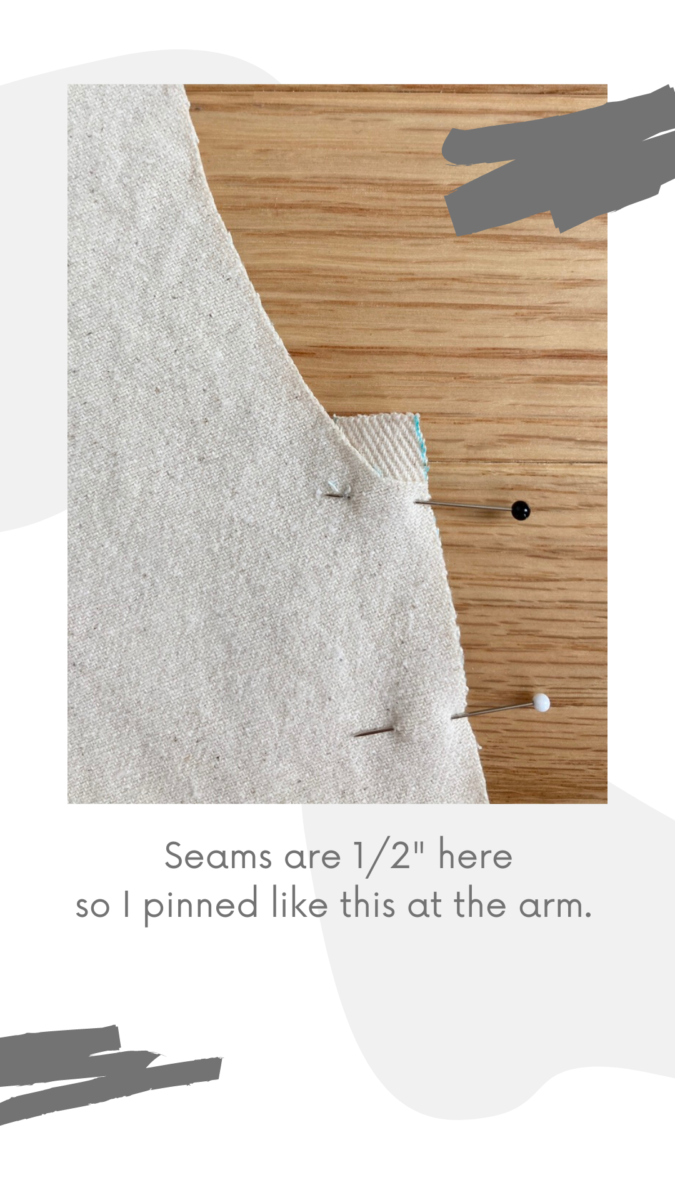
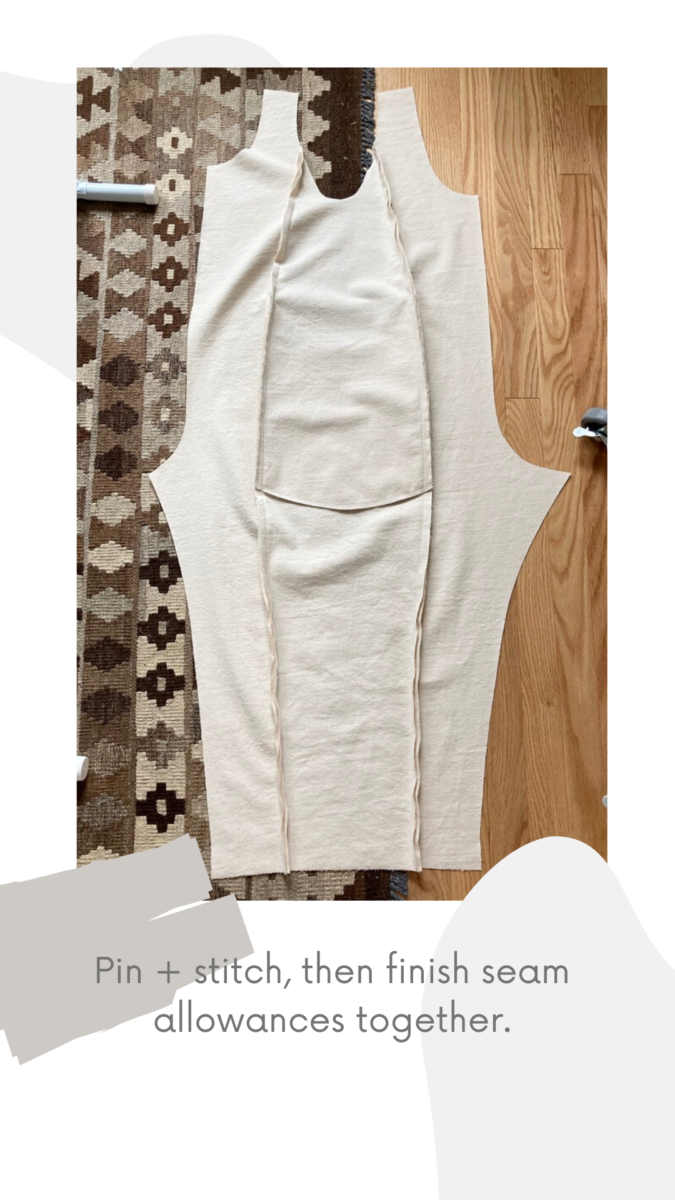
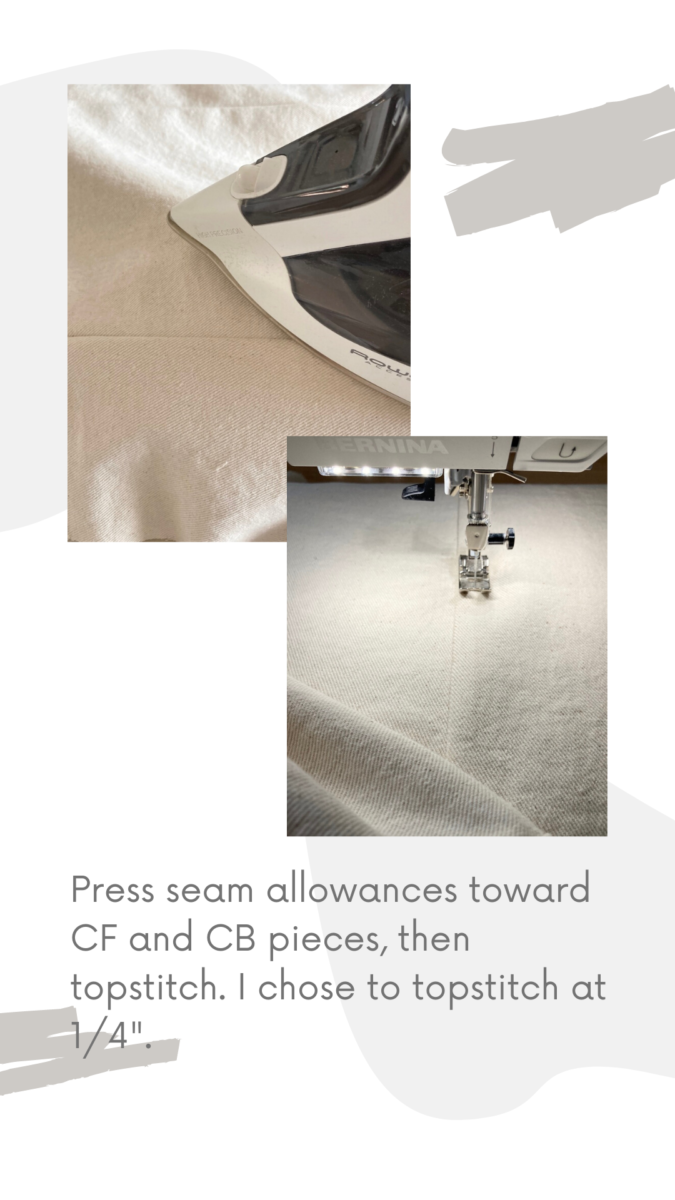
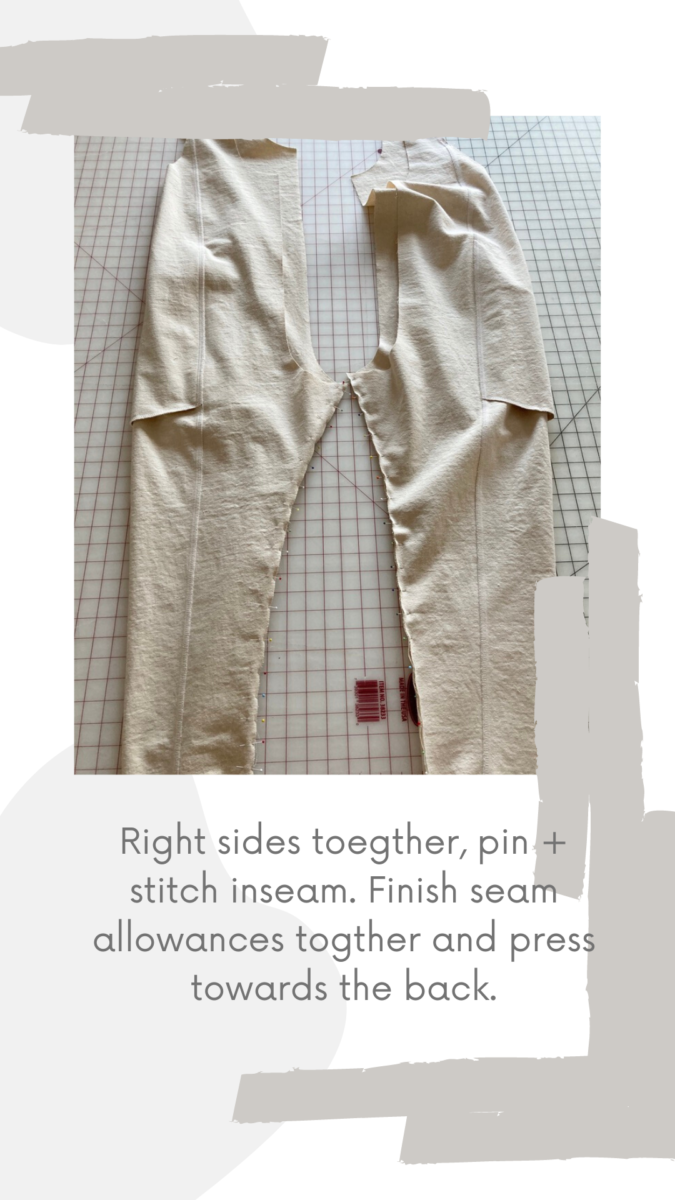
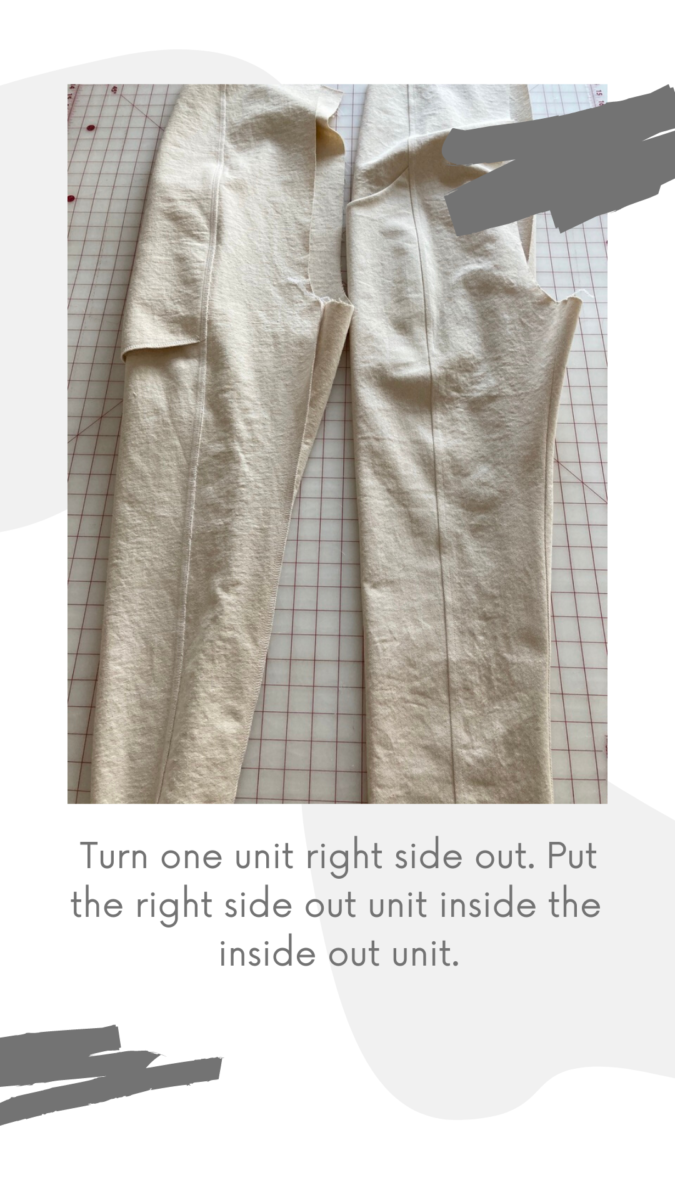
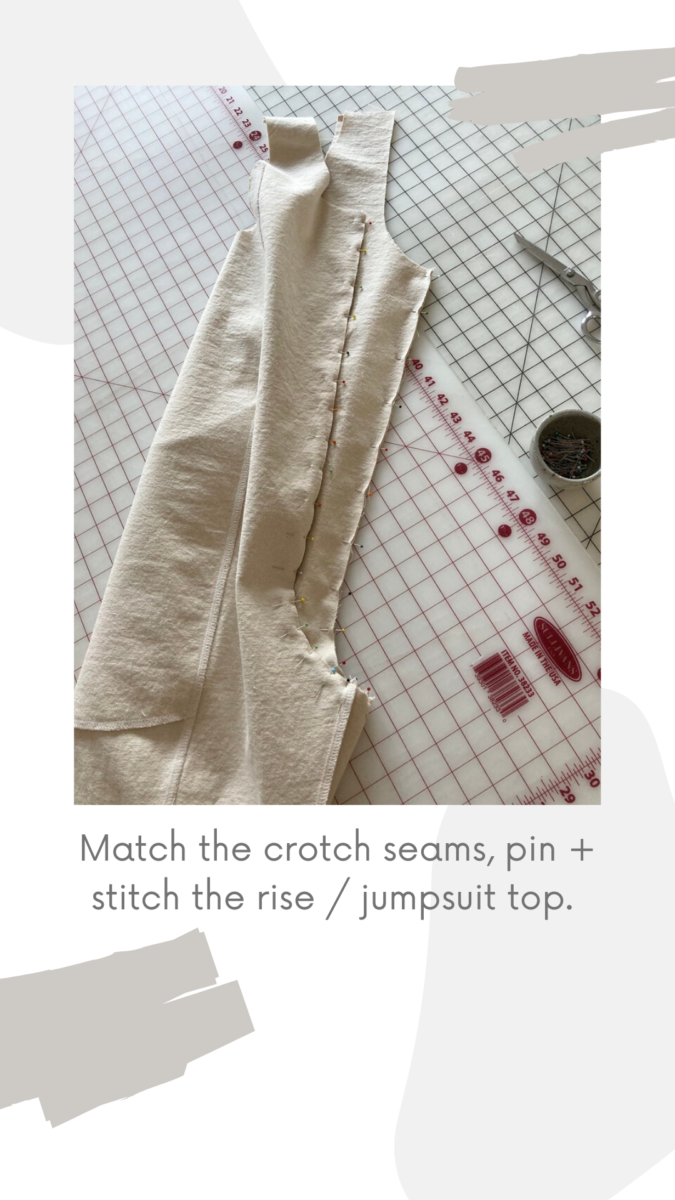
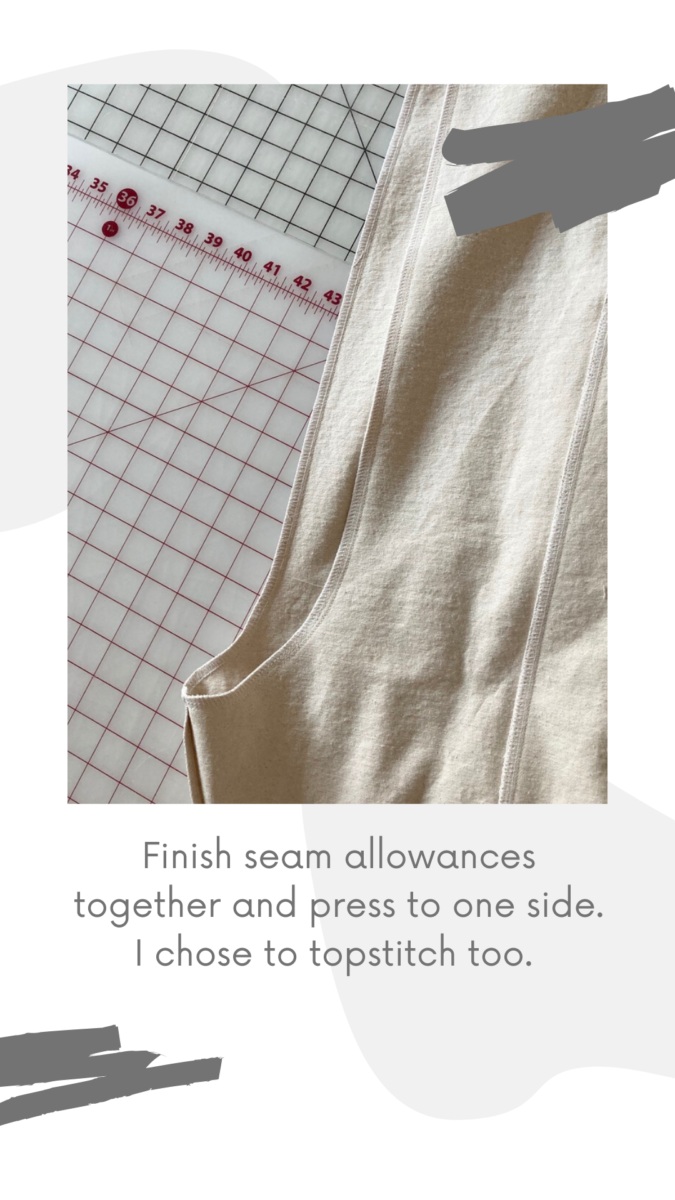
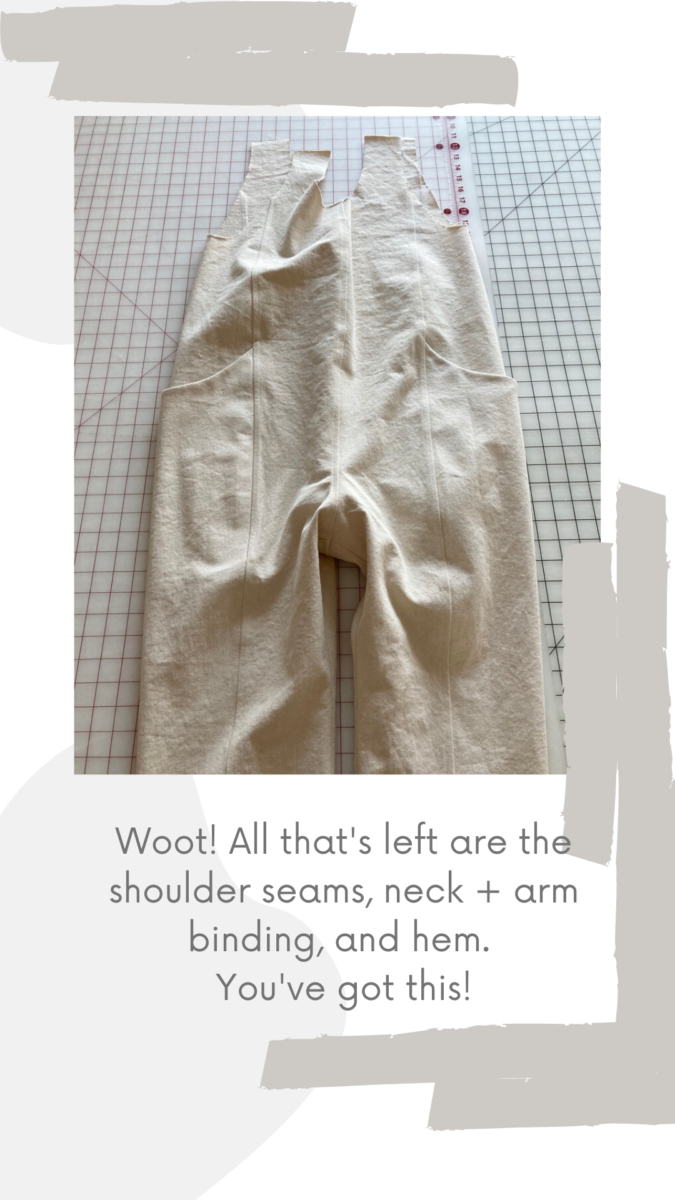
This slideshow shares my method for sewing up the Clyde jumpsuit.
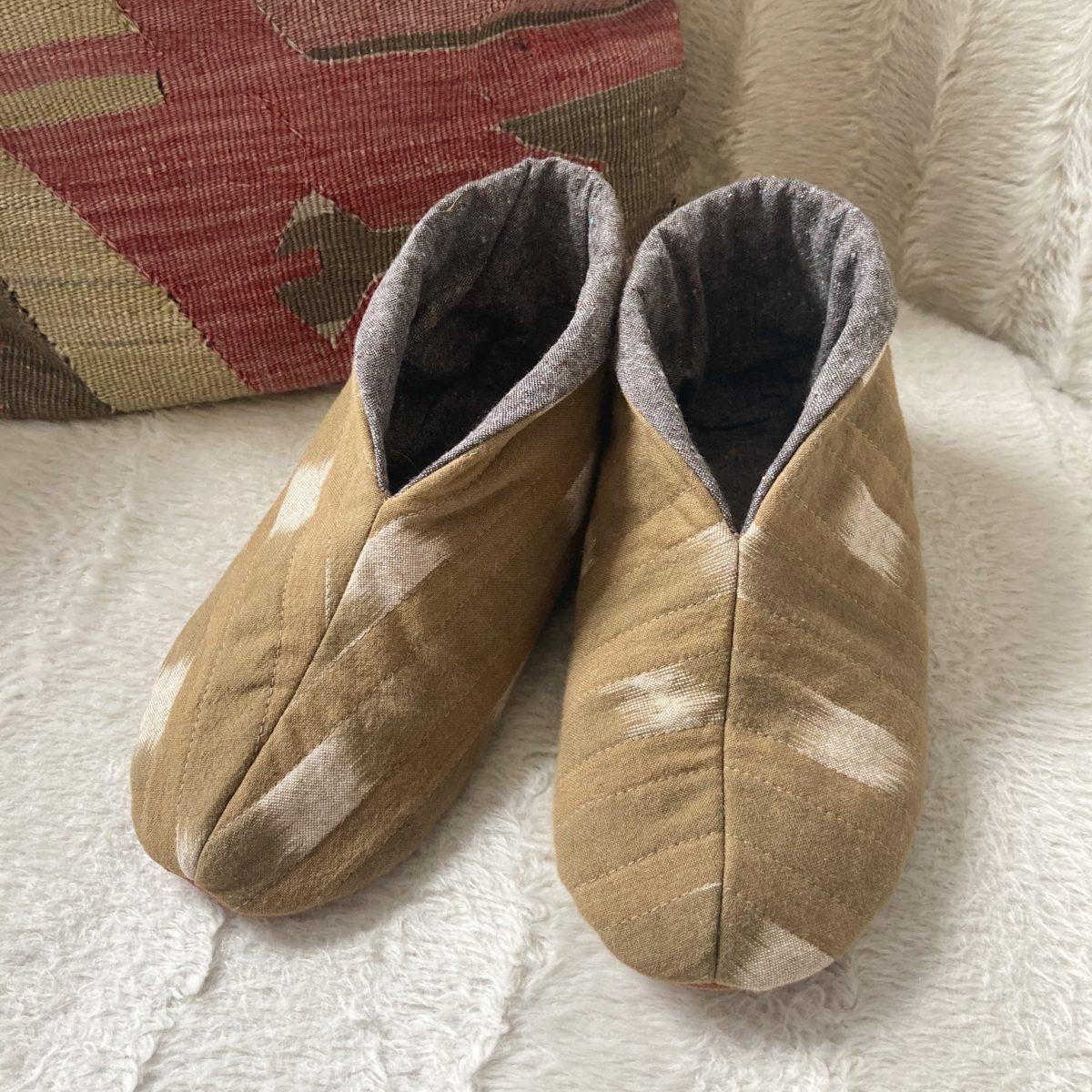
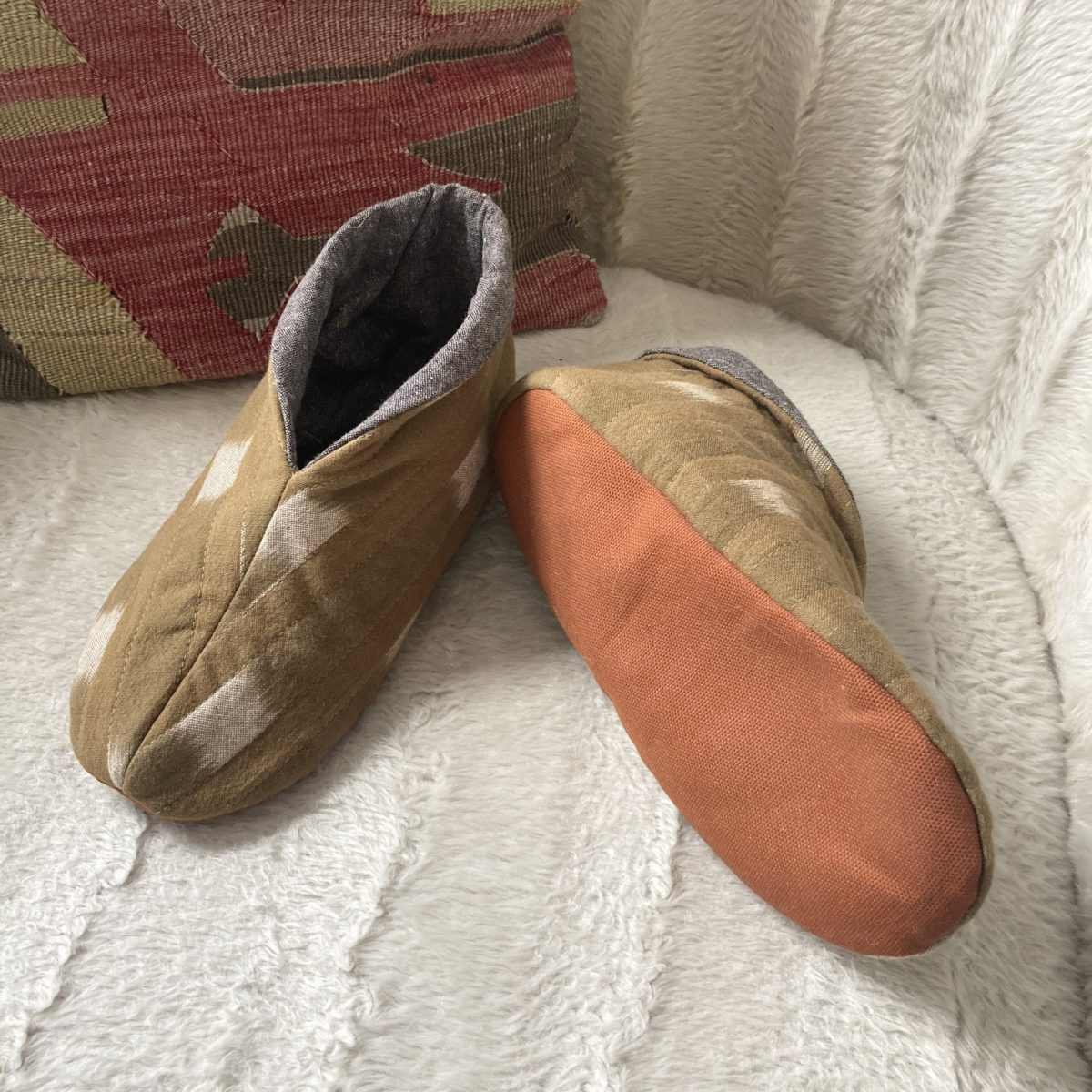
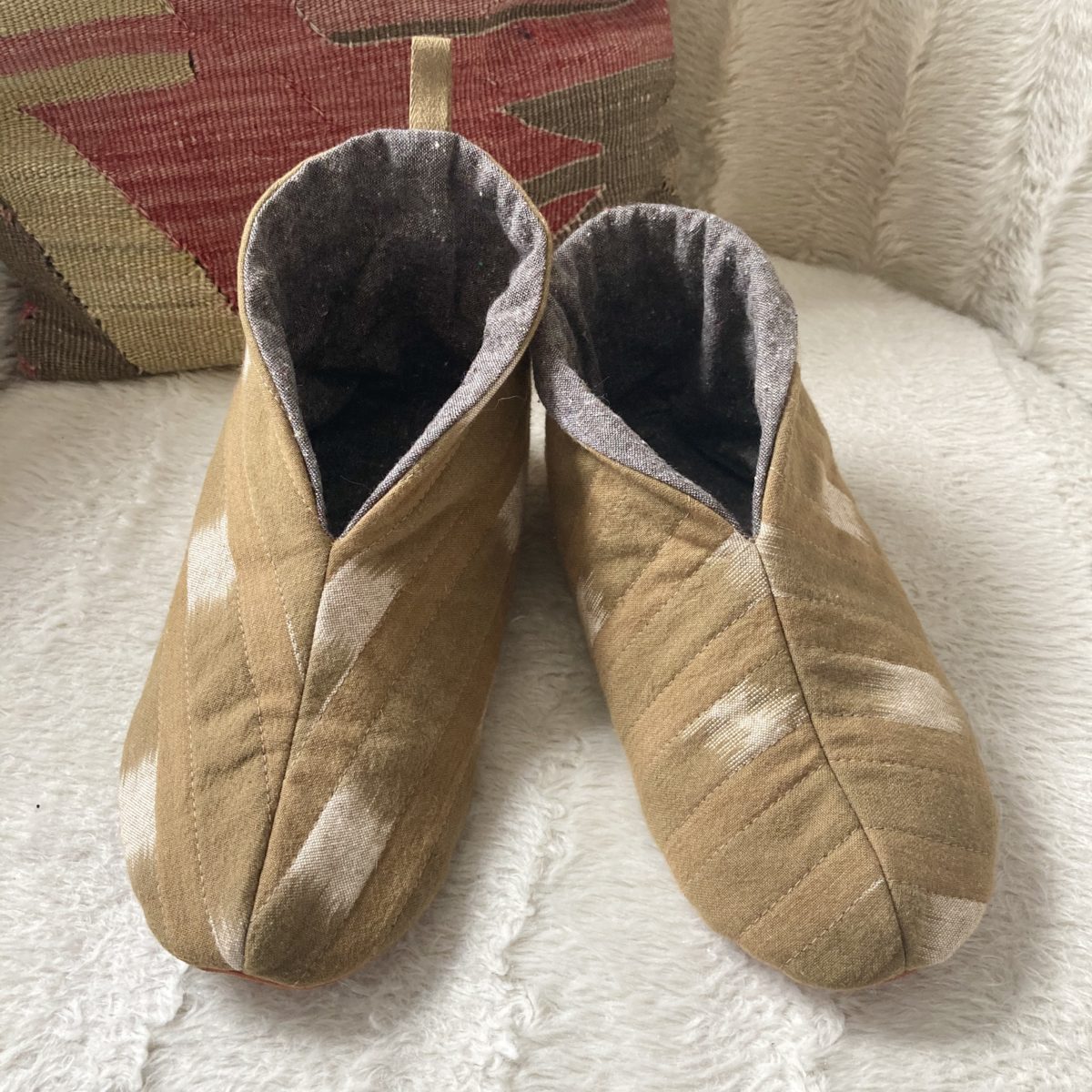
If you regularly have cold feet and you’re looking for a scrap busting project, make these. For a quilting project, they sewed up pretty quickly and would make great gifts.
FABRIC: boro stripe in flax (main), speckled linen cotton blend (lining), Big Sur Canvas (sole), leftover batting
SIZE: B – I wear US women’s size 6 shoe but used the finished measurements chart to select size
MODS: made the opening about an 1″ wider. I did this for two reasons; it was a little challenging to get my foot in and I couldn’t attach the lining and exterior together because it wouldn’t fit around the arm of my machine.
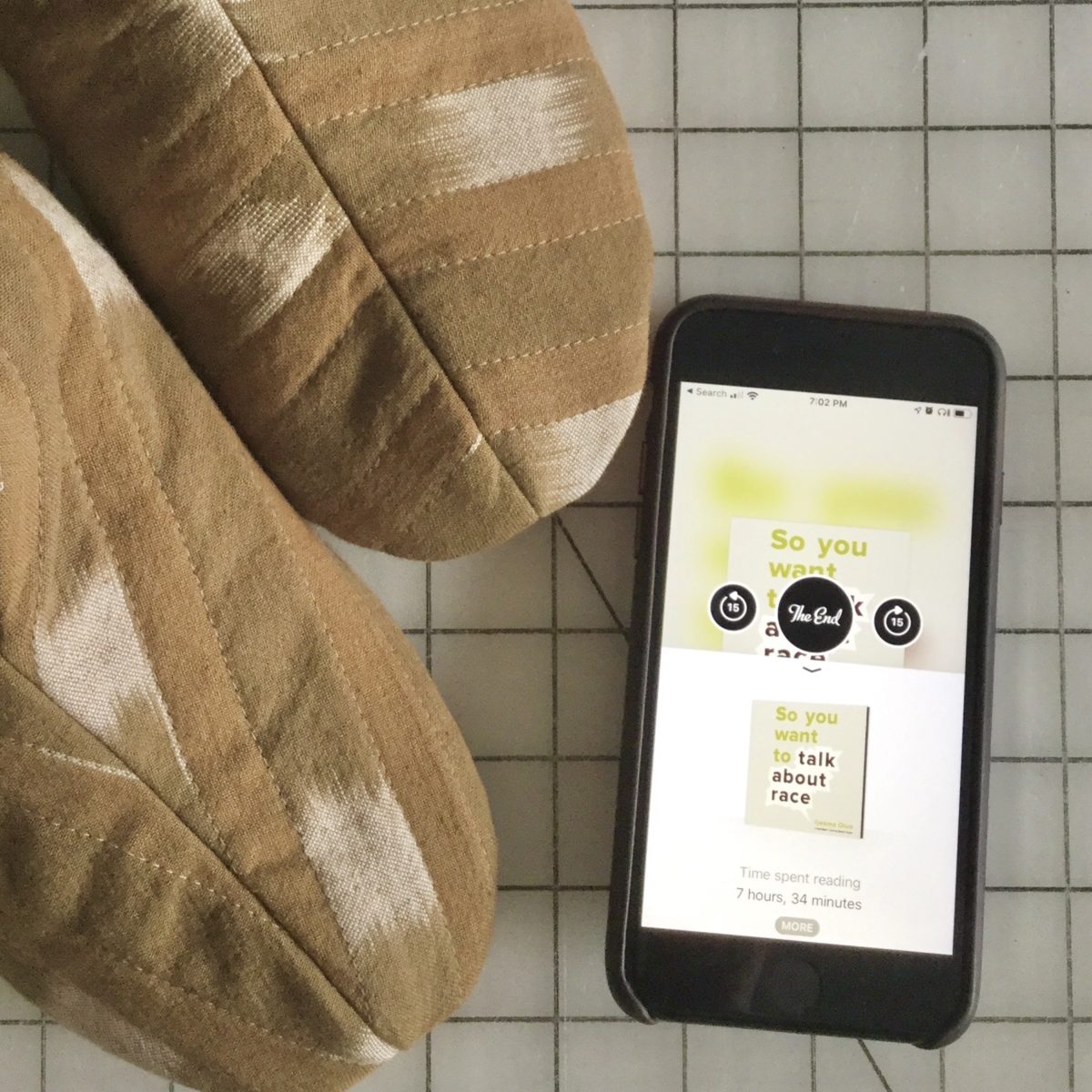
Listened to ‘So you want to talk about race’ by Ijeoma Oluo while making these.